

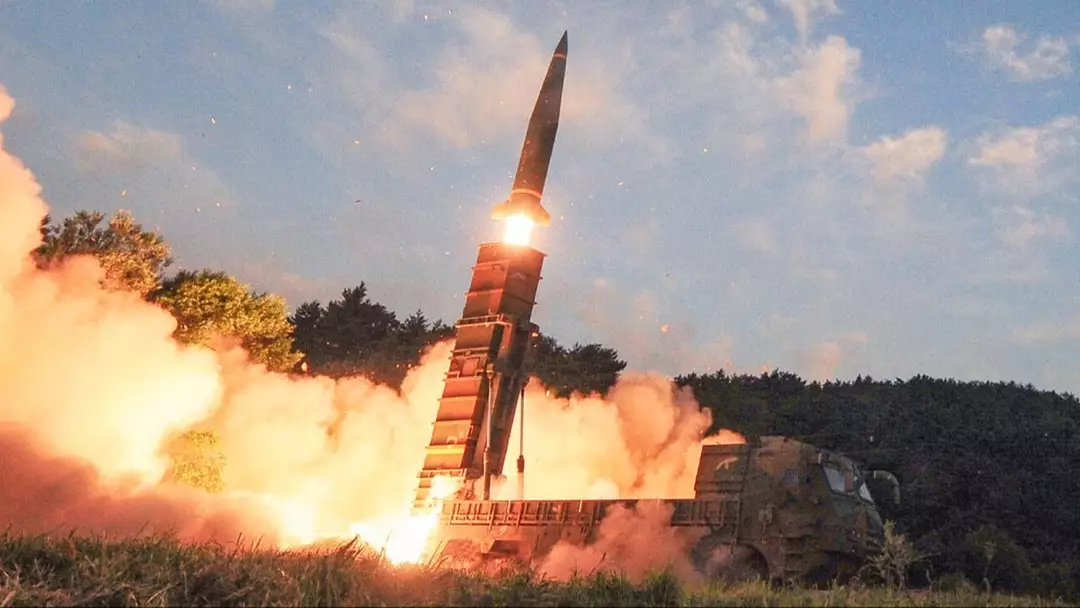
A nuclear historian has identified 15 cities that could potentially be targets if World War 3 were to occur, leading to the catastrophic impact of nuclear missiles.
Currently, tensions between the United States and various global entities remain notably high.
During Donald Trump’s presidency, the US has managed to upset many in South America, notably after the abduction of Venezuelan President Nicolás Maduro.
Additionally, Trump’s administration has issued warnings to Iran about possible US intervention amid the country’s political upheaval.
Moreover, relations with NATO allies have been strained due to persistent proposals that Greenland should be annexed by the United States.
These developments have raised alarms about the possibility of World War 3, although the prospect of nuclear bombs striking the US is still considered distant by many.
Professor Alex Wellerstein, a nuclear historian from Stevens Institute of Technology, has previously contemplated what such a reality might entail.
In an interview last year, he stated: “If the adversary is Russia and their goal is to disable US retaliation, command centers and ICBM sites will be hit first. If the attacker is a rogue actor, symbolic or densely populated areas might be targeted instead.”
With a modest population of 60,422, it’s unlikely that Putin would target Great Falls, Montana, or anywhere else in the state. Despite being the fourth largest state, it has just over 1.1 million residents.
Nevertheless, Great Falls is proximally located to Malmstrom Air Force Base, which reportedly manages hundreds of nuclear missile silos, a fact that might concern Russia and China in a global conflict.
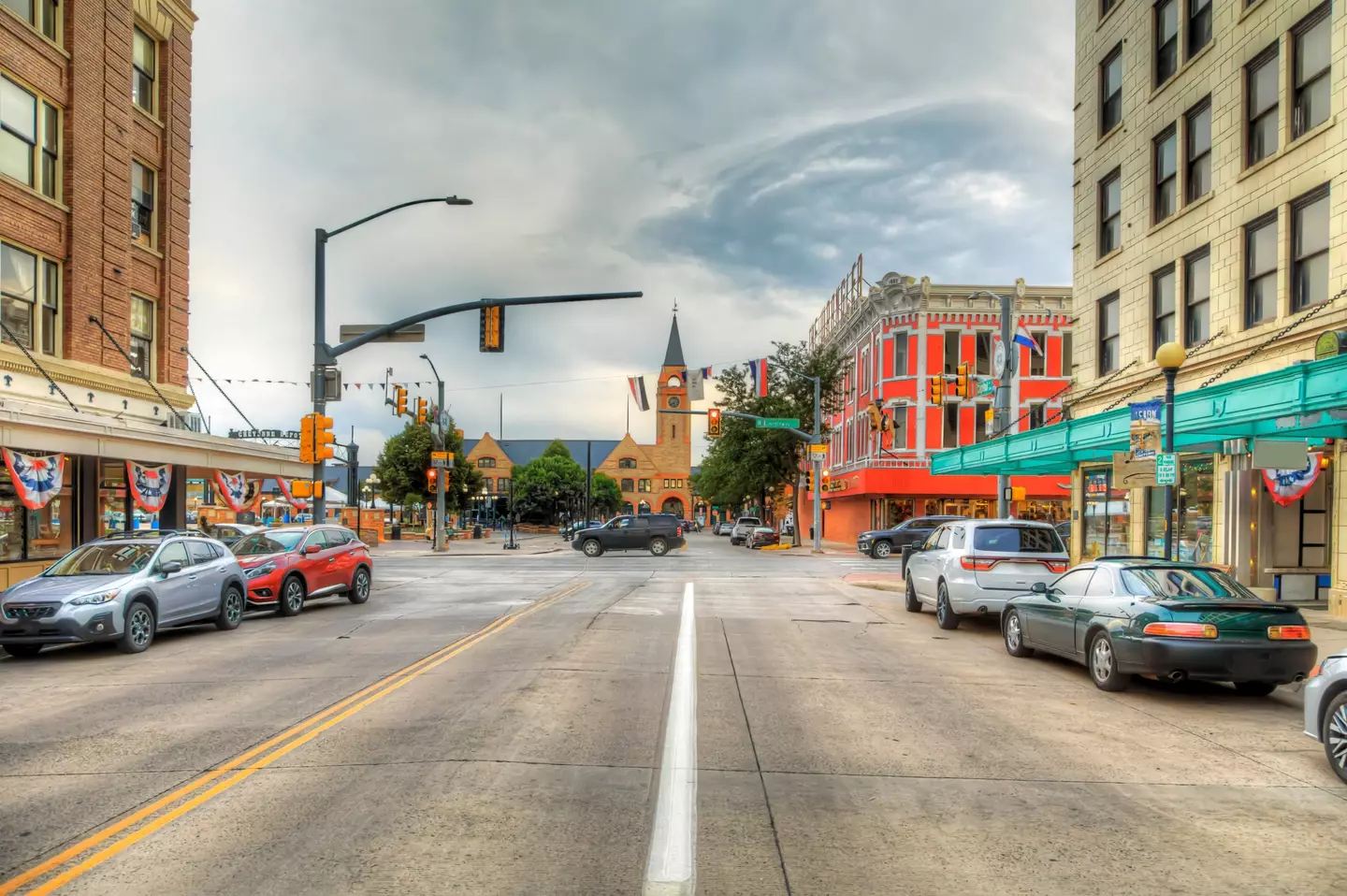
Following is Cheyenne, Wyoming, situated south of Montana. Although the drive between Cheyenne and Great Falls is nearly 10 hours, Cheyenne could be a potential target.
This small city, with a population of 65,168, includes the Francis E Warren Air Force Base within its limits.
The US Air Force conducts nuclear missile operations from this base, which means its residents could be at risk if tensions escalate.
Residents of Ogden and Clearfield, Utah—about a half-hour drive north of Salt Lake City near the Great Salt Lake—might consider moving if they believe World War 3 is imminent.
The combined population of these cities is 121,737.
Still, the primary reason for targeting these locations would be Hill Air Force Base, a key US nuclear weapons hub.
If Iran were to launch a nuclear strike, Shreveport, Louisiana, might be one of its targets.
This city is home to the B-52 bombers, capable of delivering nuclear strikes, and its proximity would put its 177,959 residents at risk.
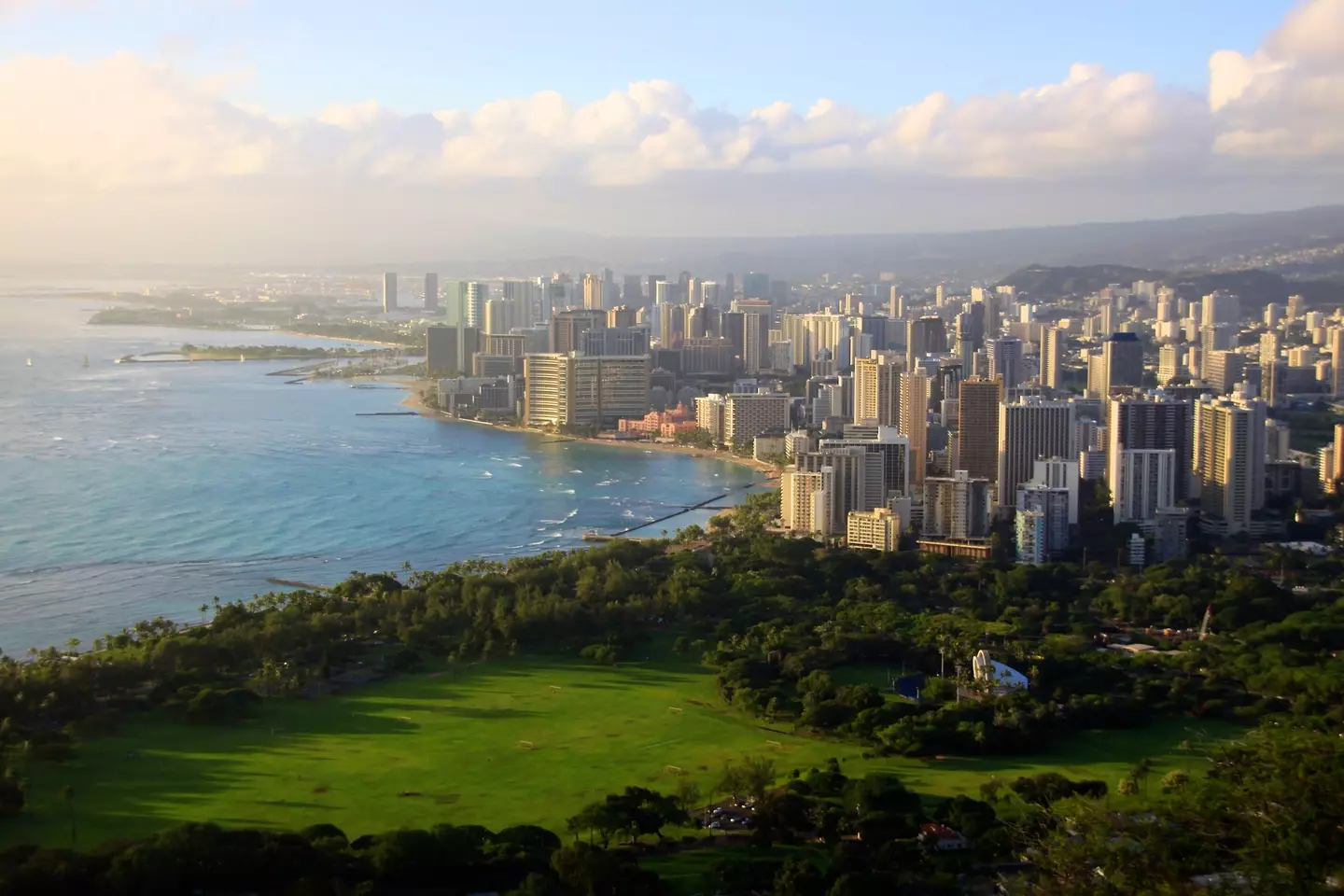
The attack on Pearl Harbor is widely known, so Hawaii’s capital is considered a significant potential target.
Honolulu hosts numerous military operations, both naval and air, positioned between the US mainland and Asia.
The city has a population of 341,778, and a serious conflict could pose dire risks.
In Omaha, Nebraska, where 483,335 people reside, concerns may arise given Trump’s involvement with Iran. Offutt Air Force Base, a key player in the US’ nuclear strategy, is located nearby.
Colorado Springs, with 488,664 residents, could also be targeted due to military bases such as the North American Aerospace Defense Command (NORAD), which is crucial for North American airspace defense.
If central New Mexico were struck, Albuquerque, with its population of 560,274, would be a critical target due to Kirtland Air Force Base’s significant nuclear arsenal.
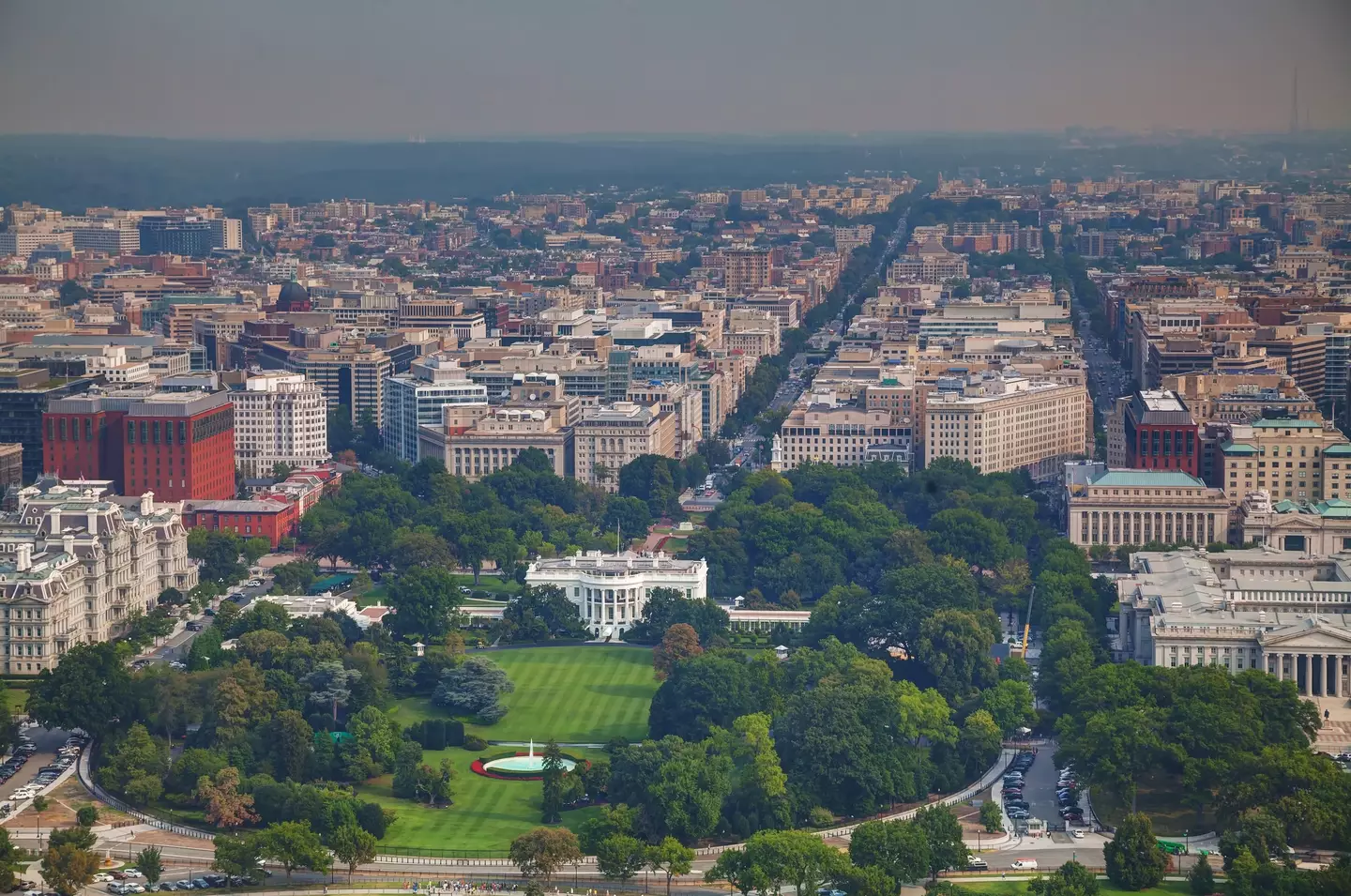
Washington, D.C., with its 678,972 residents, is an obvious target due to its governmental importance and the presence of the president.
The surrounding Washington metro area, home to more than 737,015 people, is near Naval Base Kitsap, a major submarine and nuclear weapons facility.
Seattle, a significant tech hub and seaport, is strategically important, although its geography complicates evacuations due to surrounding natural barriers.
Other significant cities include San Francisco, California, with 873,965 residents.
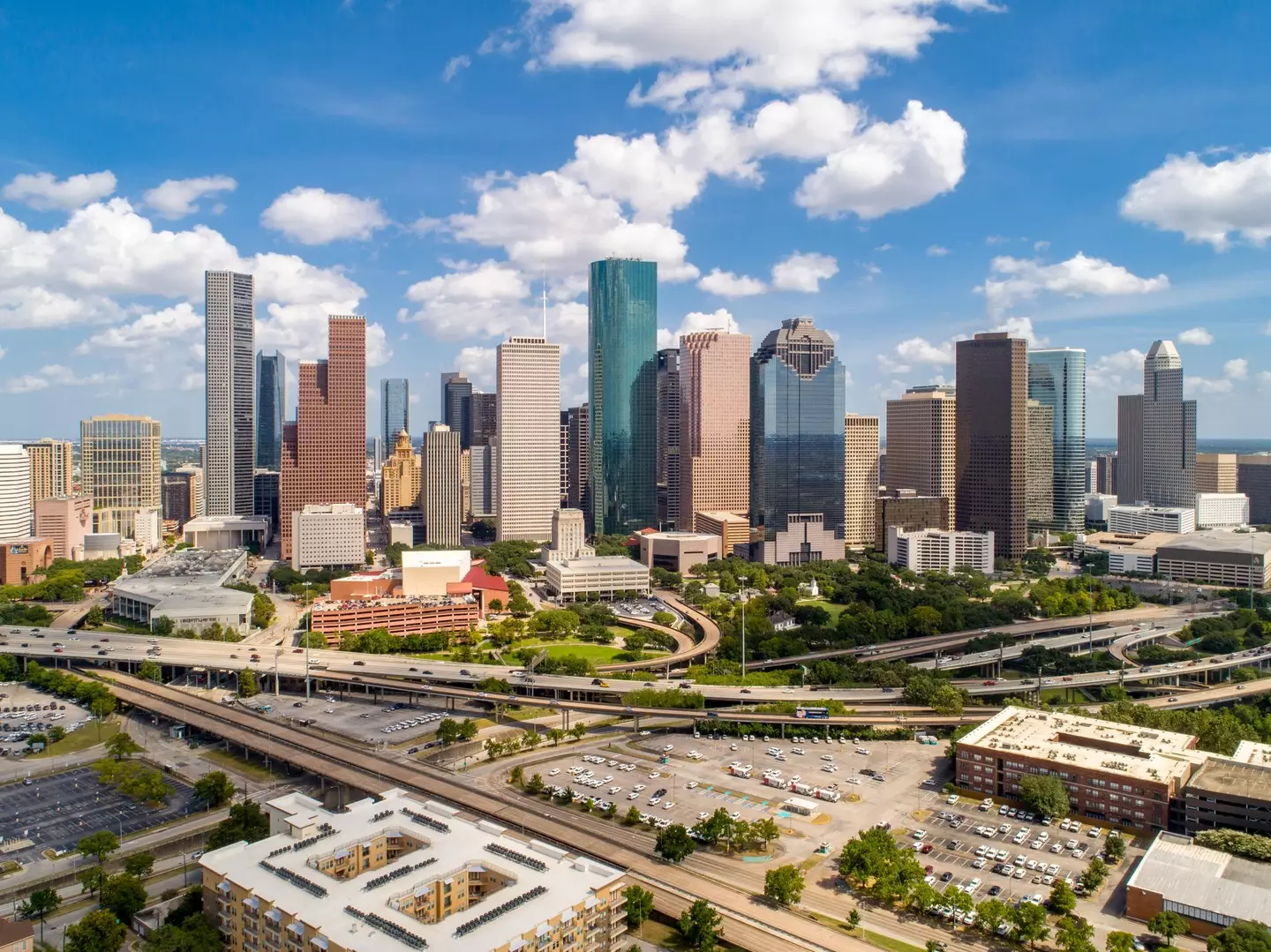
Houston, Texas, though not the state capital, has a population of 2.3 million.
Chicago, Illinois, located by Lake Michigan, would face catastrophic environmental and human impacts, endangering 2.6 million people.
Los Angeles, California, the home of Hollywood, is inhabited by 3.8 million people and would be a cultural loss if targeted.
Lastly, New York City, the most populous city in the US, is home to 8.8 million people, making it a prime target.