

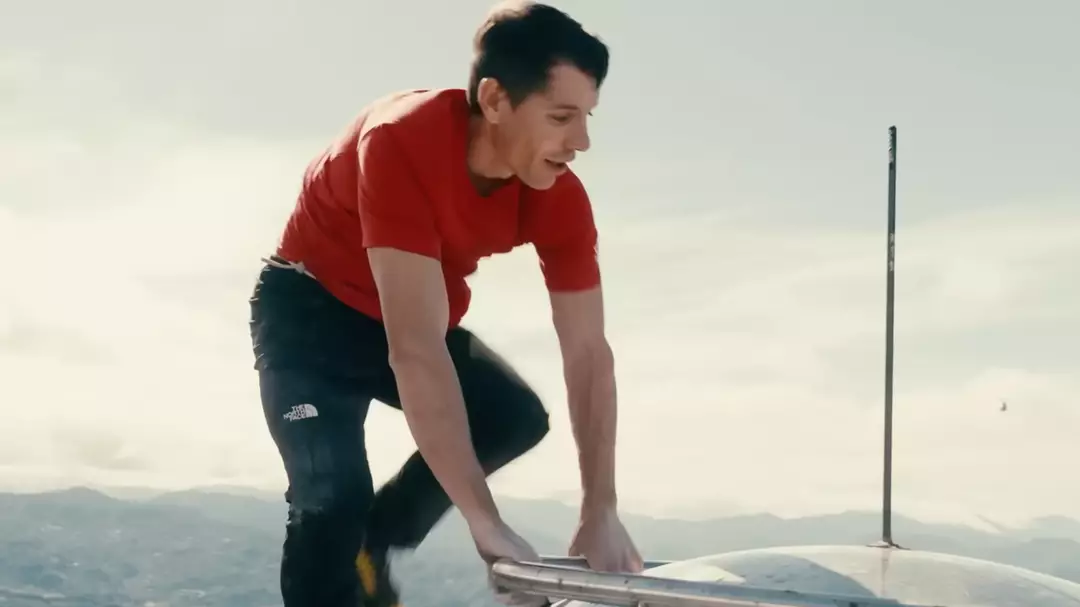
After Alex Honnold’s remarkable ascent of one of the world’s tallest skyscrapers, fans have taken to social media to highlight a common concern.
The accomplished rock climber etched his name in history on Sunday, January 25, by ascending Taipei 101, a towering 1,667-foot structure with 101 stories located in the heart of Taiwan’s capital.
Climbing such a formidable structure is daunting, even with the aid of safety equipment. Yet, the 40-year-old achieved this feat without the use of ropes or any safety gear.
Honnold’s daring climb took one hour and 35 minutes and was broadcast live on Netflix under the title Skyscraper Live.
After successfully completing the climb, a wave of curiosity swept across the internet, with many wondering how Honnold would make his way back down.
“HOW DOES HE GET BACK DOWN,” one user on X queried, while another simply asked: “How does he get down?”
Following a brief moment to take in the breathtaking view, Honnold donned a harness and gracefully rappelled back down the immense building.
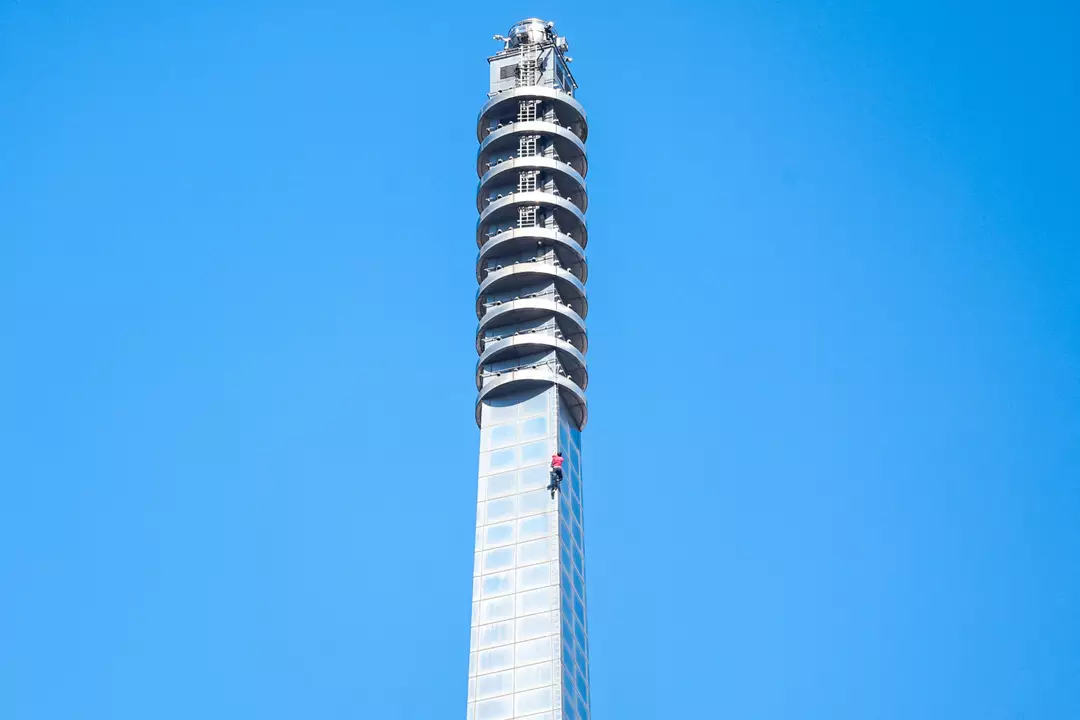
As Taipei 101 is a functioning skyscraper equipped with interior access, Honnold had the option to take an elevator back to ground level.
While this method is certainly more subdued compared to his daring ascent, it’s a practical way to return to safety.
The event had a potential risk of ending in tragedy, despite Honnold’s vast experience.
Honnold is renowned for his climbing achievements, notably as the first person to scale El Capitan, the granite monolith in California’s Yosemite National Park, without ropes or safety gear.
Yet, climbing can be unpredictable, and Honnold shared before his climb that a fall from Taipei 101 could have been fatal.
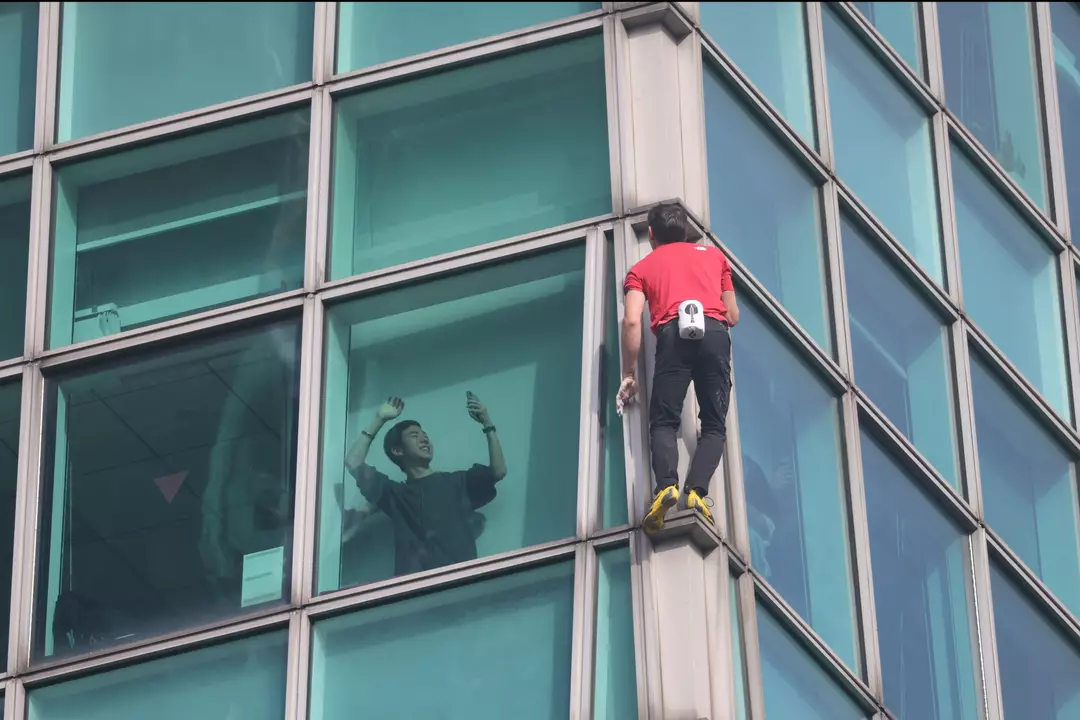
“If something happens, I would die, though actually, on this particular building, that’s not even totally true because there are balconies every few floors,” he explained.
“The geometry of the building, the shape of the building, is such that you actually could fall in tonnes of places and not actually die, which makes it in some ways safer than a lot of rock-climbing objectives.”
When asked by the outlet if this stunt was his most lucrative, Honnold responded: “Maybe. It’s less than my agent aspired to. I mean, I would do it for free.
“If there was no TV program and the building gave me permission to go do the thing, I would do the thing because I know I can, and it’d be amazing. I mean, just sitting by yourself on the very top of the spire is insane.”
Originally, Honnold’s perilous climb was postponed on Saturday, January 24, due to unfavorable weather conditions. However, he successfully completed the remarkable challenge the following day.