

Warning: This article contains references to suicide
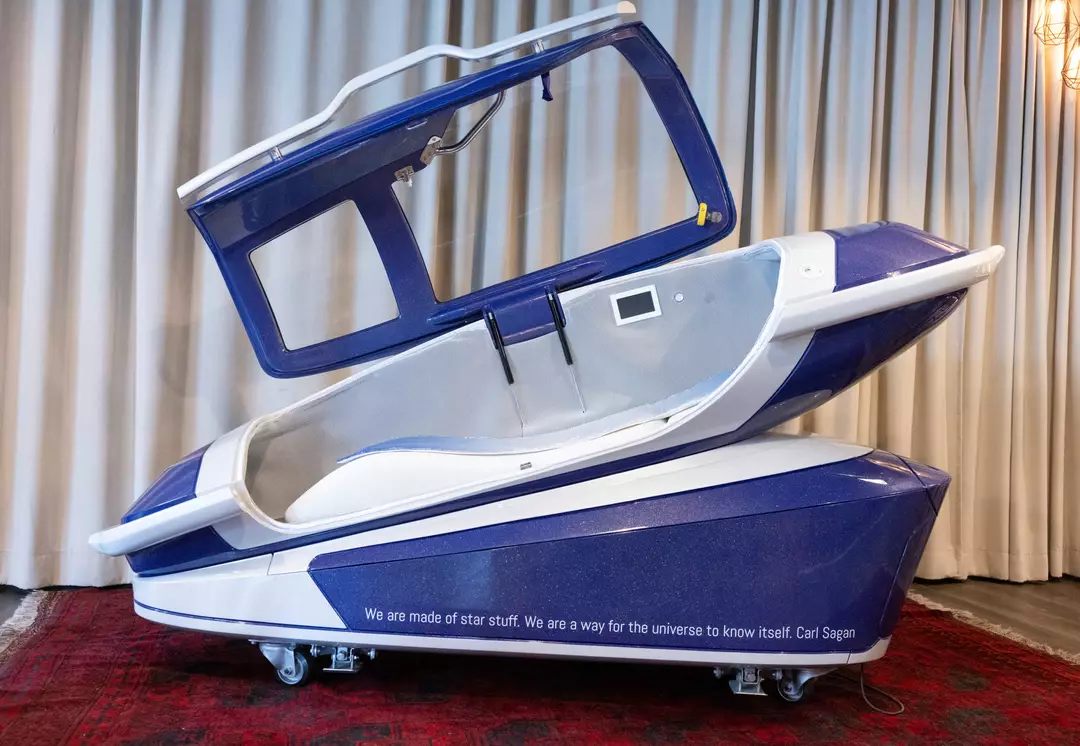
The designer behind the controversial ‘suicide pod’ has introduced a new element to the device, leaving some individuals uneasy about the latest advancement.
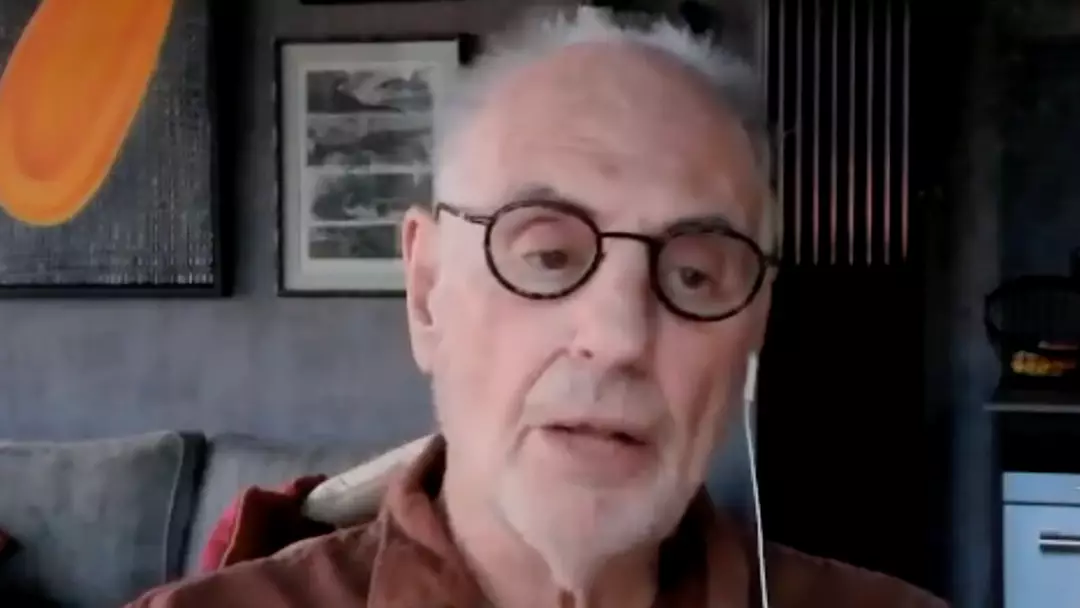
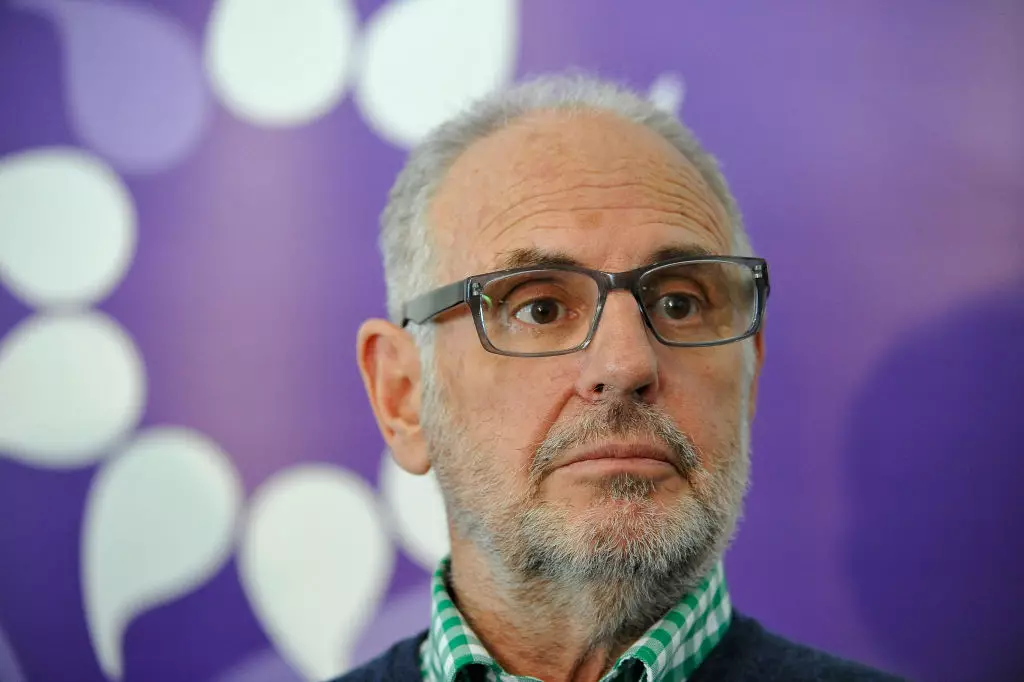
Philip Nitschke, the inventor of the Sarco Pod, also referred to as the ‘suicide pod,’ established the organization Exit International and has been advocating for people to have the choice to end their lives.
The device operates by releasing nitrogen upon activation, causing the individual to lose consciousness within minutes.
The device was first utilized in 2024 in Switzerland by a 64-year-old American woman, although the event led to several arrests.
Recently, Nitschke announced updates to the pod, following inquiries from couples interested in ending their lives together.
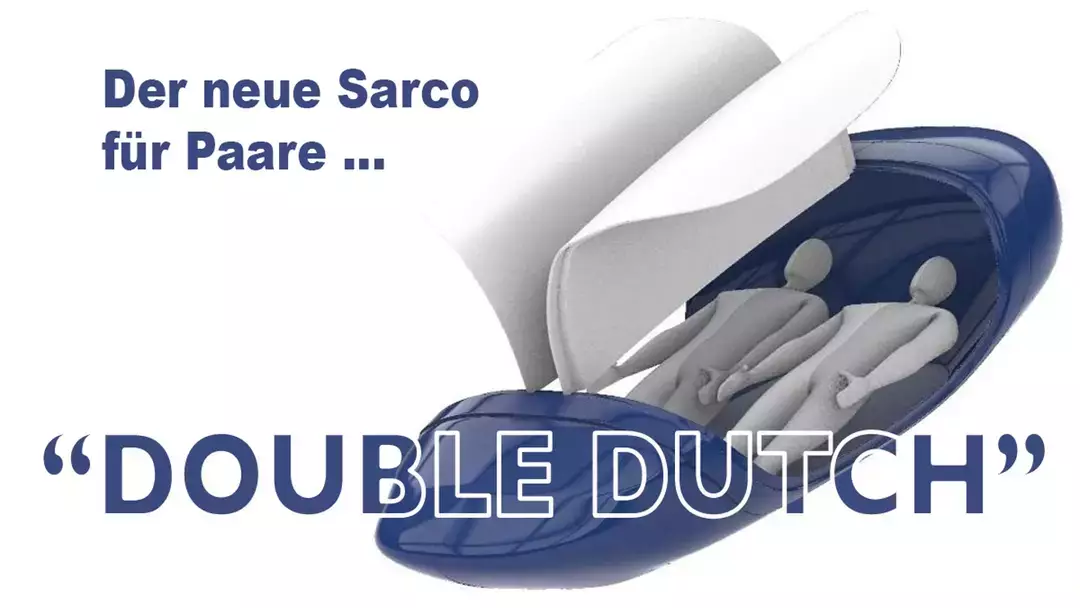
The new model, known as the ‘Double Dutch Sarco,’ is designed to accommodate couples who wish to pass away simultaneously.
Nitschke shared that ‘most of the bits have been printed’ for the new version, and assembly is currently underway in Rotterdam.
“He’s been working away on it,” Nitschke remarked.
“We expect that in a couple of months it’ll be ready.”
The redesigned pod includes space for two individuals and features two buttons. Both individuals must press their respective buttons at the same time for the pod to activate.
“If they both want to die, they have to die together, [and] they have to both press the buttons at the same time,” Nitschke explained.
Beyond the dual-person pod, Nitschke aims to incorporate artificial intelligence to assess a person’s eligibility to use the machine.
He said: “We’re thinking that a piece of software will do the job better than a psychiatrist.
“You can indeed take the same person to a couple of different psychiatrists and get three different answers about whether or not they have mental capacity.”
Instead, Nitschke proposes using an AI system to evaluate individuals. If they pass the assessment, they receive a four-digit code that activates the pod for 24 hours, allowing them time to make their decision.
There is growing concern among the public regarding the use of AI in making such critical decisions.
One individual commented: “This may be one of the most dystopian things imaginable. AI, which hallucinates constantly, and can’t even tell me the correct type of batteries to put in my remote controller, is gonna administer a mental health fitness test? Yikes is an understatement.”
Another remarked: “That’s evil why does this even exist?”
A third person expressed skepticism: “Absolutely not. We don’t want AI replacing pseudo-scientific psychiatrists now do we?”