

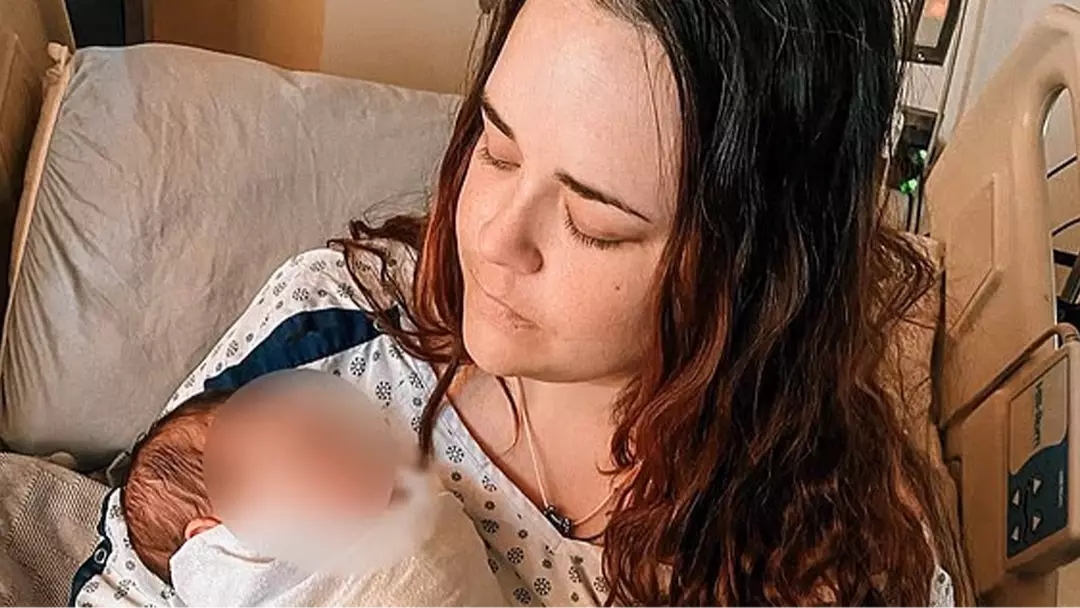
A surrogate mother has opened up about the most challenging aspect of carrying a baby for someone else, which surprisingly isn’t the part where she hands over the newborn.
Dawn Wickhorst, a photographer from Alberta, Canada, embarked on the journey of surrogacy in 2019 after recognizing how many couples face difficulties in having children.
At 33, and already a mother of five, Dawn has served as a surrogate for two gay couples, finding the overall experience deeply rewarding.
However, the journey wasn’t without challenges. Balancing the care of her five children while enduring common pregnancy symptoms like nausea and back pain proved difficult for Dawn.
Feeling isolated during this time, Dawn emphasizes the importance of having a supportive network for those considering surrogacy to lean on during tough times.
Reflecting on her journey, Dawn shared, “I decided to become a surrogate after my eyes were opened to how many people struggle to conceive.
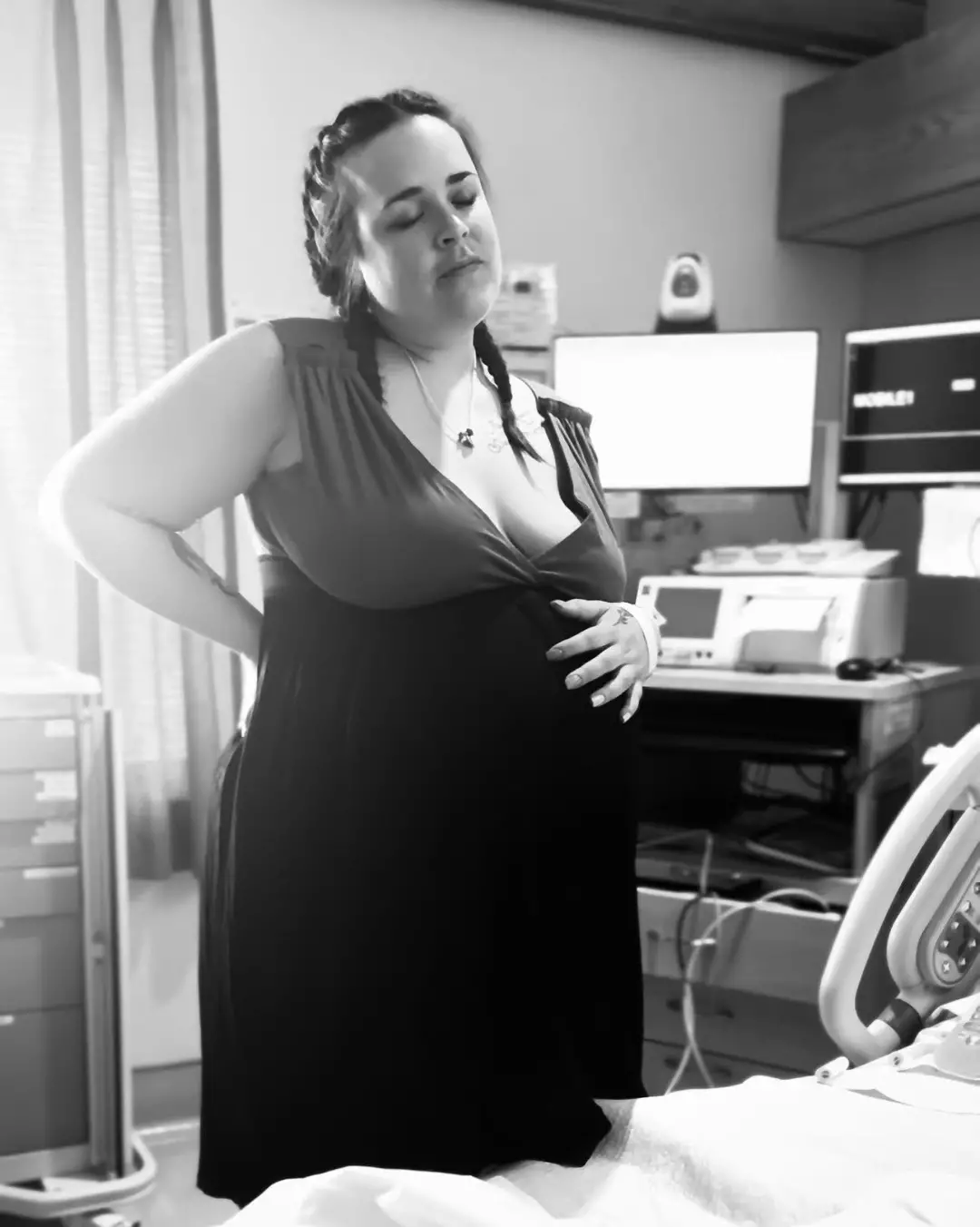
“I didn’t realise how lucky I was because I have five children of my own and all of my pregnancies went really well.
“I just felt like my body could do good for somebody. A lot of people say they could never be a surrogate because they could never give up the baby, but you go into the process fully aware that you aren’t coming out with a baby.”
Watching the parents receive their baby was an ’emotional and beautiful’ moment for Dawn. She further discussed what she found to be the most difficult part of the process.
“The hardest part was actually the loneliness; there were moments where I felt completely invisible,” she explained.
“I remember sitting in waiting rooms alone, managing big feelings quietly, or going home afterward to regular responsibilities as a single mum, with no pause to process what I was carrying, literally and emotionally.
“Because you’re a surrogate, there’s this unspoken expectation to just ‘handle it’ quietly, because it’s something you chose to do, and I think it can make pregnancy symptoms feel heavier when you’re dealing with them mostly on your own.”
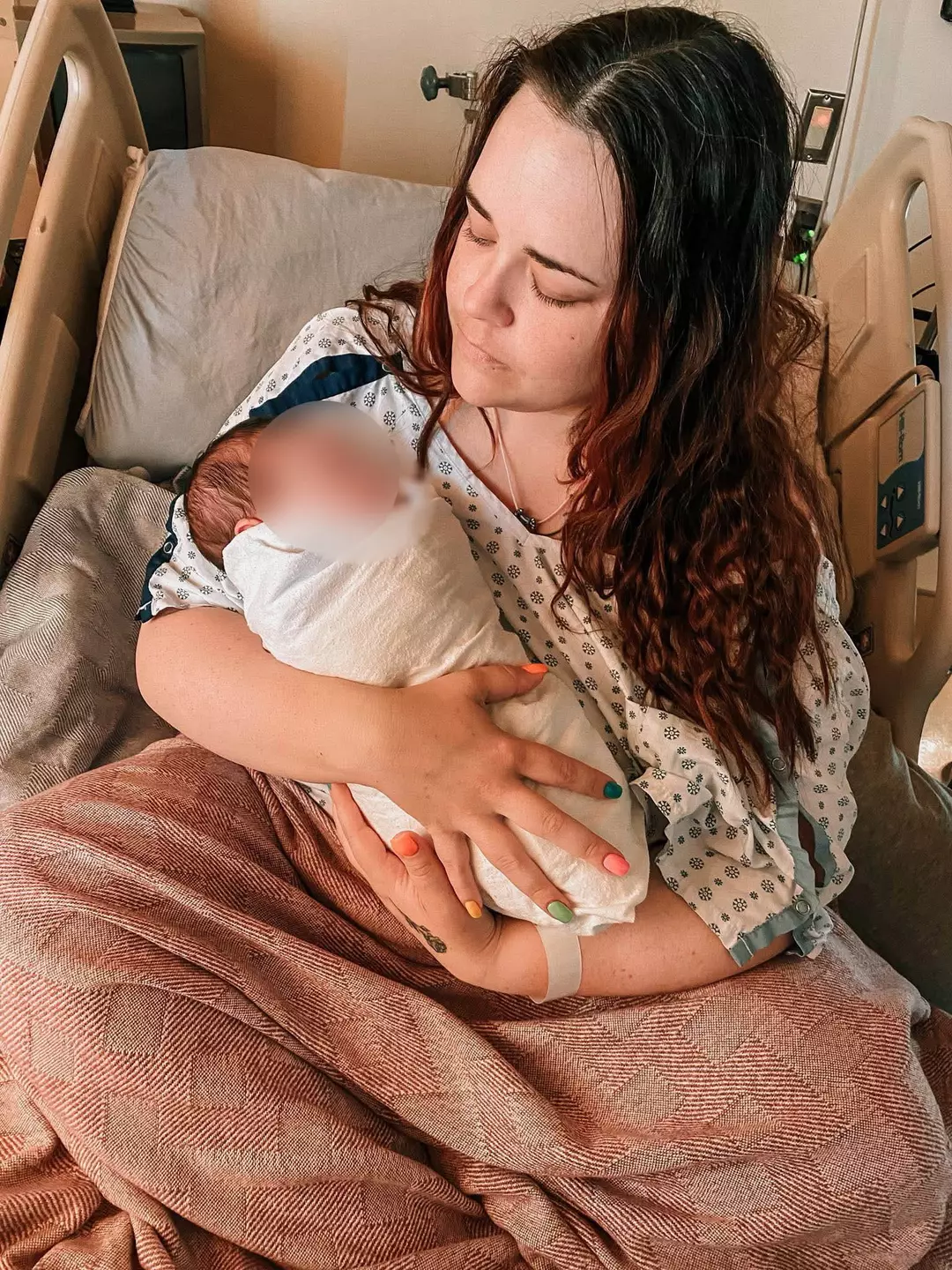
In Canada, surrogates cannot be paid, so Dawn participated in the process without any financial compensation.
Although she did not struggle with the emotional aspect of handing over the baby, Dawn described experiencing a form of grief as the surrogacy journey came to an end.
“My whole life revolved around having a baby for this couple, and then all of a sudden it was over,” she said.
Despite the challenges, Dawn does not regret her decision to be a surrogate twice. She advocates for more support systems for surrogate mothers.
“I think it would be amazing if there were more services out there for surrogates, such as support groups, so that it doesn’t feel so lonely,” Dawn admitted.