


In response to a recent outbreak of the Nipah virus in India, several airports in Asia have reinstated health screening measures similar to those used during the COVID-19 pandemic.
The concern is heightened globally because of the virus’s high fatality rate and the absence of effective treatment, with fatalities ranging from 40% to 75%.
The situation came to light in early January when it was confirmed that five individuals in West Bengal, India, had contracted the virus.
Narayan Swaroop Nigam, the principal secretary of the health and family welfare department, stated regarding the affected individuals: “Two nurses at a private hospital are infected with Nipah virus, and one of them is in critical condition.”
The two affected nurses had been on duty together at the hospital between December 28 and 30 and began showing symptoms shortly after, leading to their admission to intensive care on January 4.
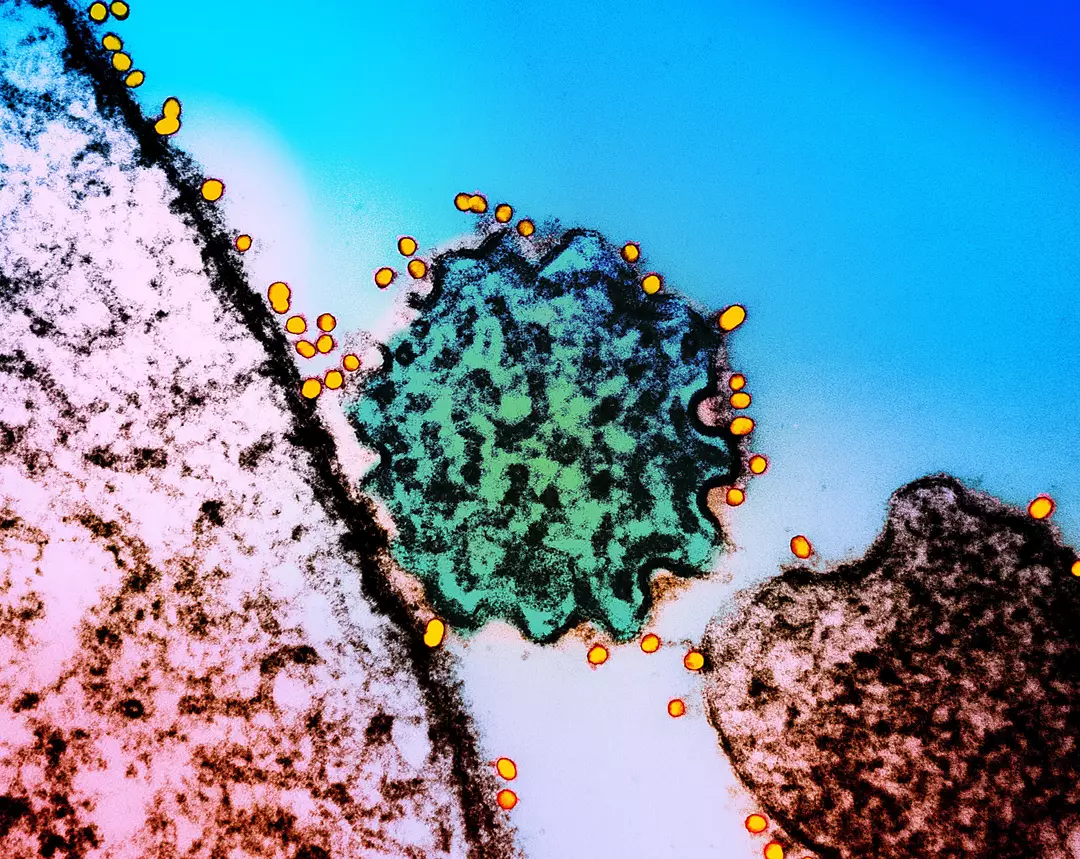
As reported, approximately 100 individuals were under quarantine as of January 26.
With five confirmed cases, countries such as Thailand, Nepal, and Taiwan have implemented enhanced precautions at airports, implementing measures reminiscent of those during the COVID-19 pandemic, such as temperature screenings, mask-wearing, and social distancing.
The Nipah virus is a zoonotic virus, transferring from animals like fruit bats and pigs to humans.
Transmission can also occur through contaminated food or close contact with an infected person.
The World Health Organization (WHO) estimates the Nipah virus’s fatality rate to be between 40% to 75%, posing a severe threat to those infected, unlike the global COVID-19 mortality rate of approximately 3.4%.
Currently, there are no vaccines or approved treatments for the Nipah virus in people or animals.

The US Centers for Disease Control and Prevention (CDC) states that symptoms of the Nipah virus infection frequently begin with flu-like signs such as fever, headache, muscle aches, and fatigue.
Some individuals may also experience respiratory issues like cough, shortness of breath, or pneumonia.
One of the most severe complications of Nipah is encephalitis, a potentially lethal swelling of the brain, leading to symptoms like confusion, altered consciousness, seizures, or coma.
The period from exposure to symptom onset is generally four to 21 days, but neurological symptoms can appear several days to weeks after the initial illness begins.