


The Bulletin of Atomic Scientists has announced the new time on the Doomsday Clock.
The Doomsday Clock was established in 1947 as a symbolic measure of how close humanity is to annihilation in response to nuclear threats.
In the previous year, the clock was set at 89 seconds, or 1 minute and 29 seconds, away from midnight, marking the closest point to potential disaster.
On January 27, the organization, which played a role in the development of the world’s first atomic bomb in 1945, released their latest assessment of global risks. This update comes amid ongoing concerns such as the conflicts in Ukraine and Gaza, climate change, and numerous other pressing issues.
The Doomsday Clock serves as a representation of the proximity to global catastrophe.
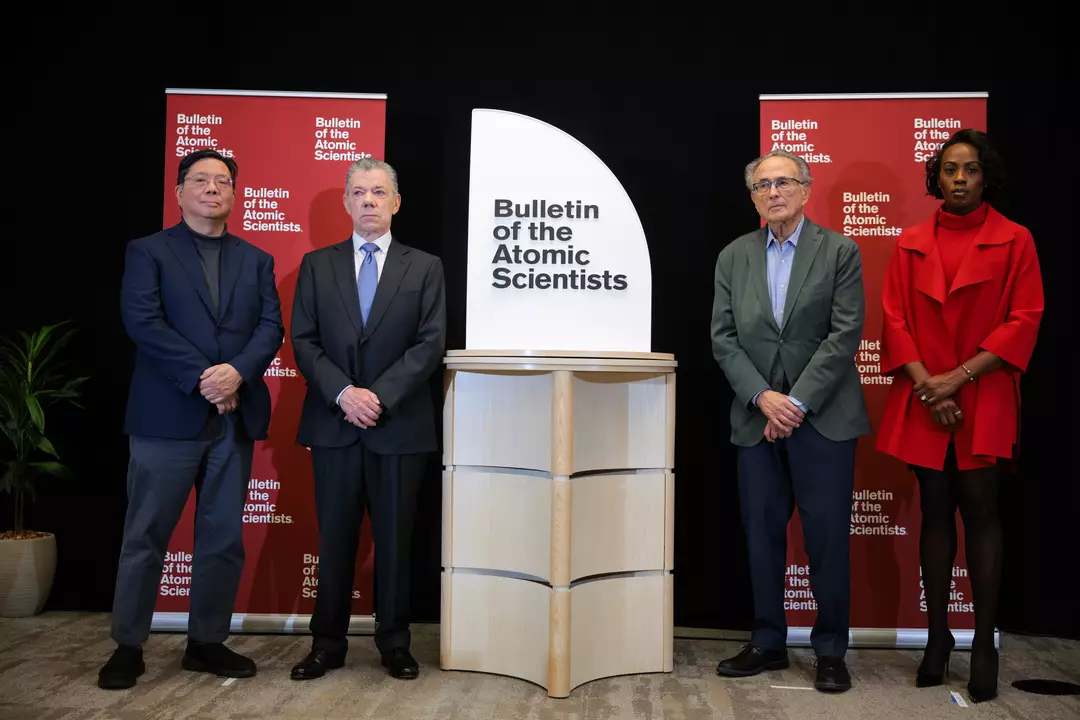
Scientists in the United States, including Albert Einstein, who were involved in the Manhattan Project and the creation of the first nuclear weapons, established the clock to highlight threats to the planet. They focus on nuclear risk, climate change, and disruptive technologies.
Each year, the minute hand is adjusted based on global events and challenges. The closer it is to midnight, the higher the risk of global devastation, while a further position indicates progress in addressing these threats.
The Science and Security Board reviews the clock annually.
On January 27, the Bulletin’s Science and Security Board convened in Washington, DC, to deliberate on any necessary adjustments to the clock. They decided to set it at 85 seconds to midnight, moving it four seconds closer than last year.
Experts in nuclear technology, climate science, and other fields participated in the meeting to evaluate the risk of worldwide disaster. Participants included Jon Wolfsthal, director of global risk at the Federation of American Scientists, and a retired US Air Force major general.
Notable past adjustments to the clock include its position at 120 seconds, or 2 minutes, to midnight during the peak of the Cold War in 1953, and 100 seconds to midnight during the pandemic.
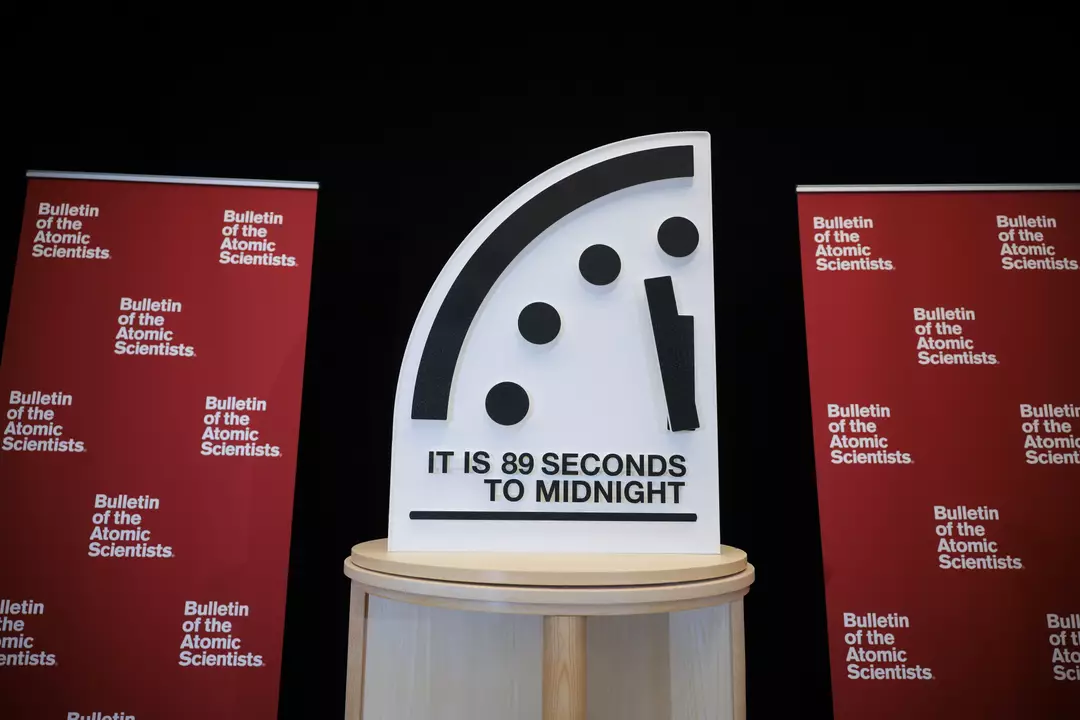
As the clock inches toward midnight, the likelihood of human-induced destruction increases. While reaching midnight won’t result in an immediate catastrophe, it signifies a critical threshold for our planet’s survival.