

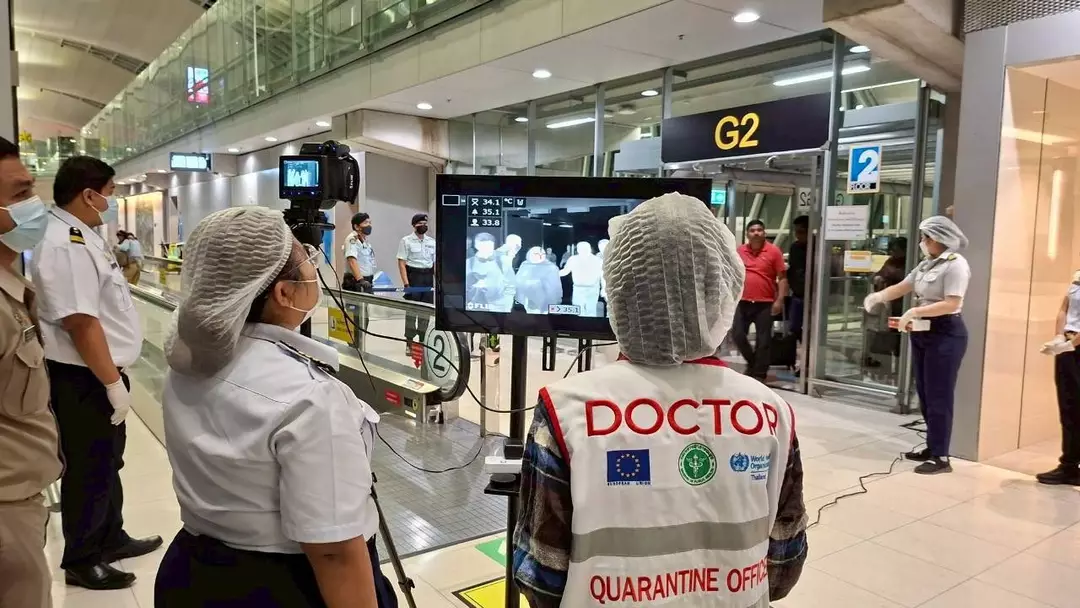
Thailand has implemented a series of new measures in an effort to prevent a potential outbreak of the Nipah virus, echoing strategies employed during the Covid-19 pandemic.
This year, the deadly Nipah virus has caused concern in parts of Asia, prompting countries to take swift precautionary actions.
The outbreak is suspected to have originated in West Bengal, India, where the health ministry has confirmed at least two cases since December.
The Nipah virus was first identified in 1999 following an outbreak in Malaysia. Although the disease isn’t new, it remains worrisome due to limited treatment options and the absence of a cure.
Compounding the concern, the virus carries a high fatality rate, estimated between 40-75 percent.
Primarily transmitted by bats, the disease can also spread through animals such as pigs, goats, horses, dogs, or cats, as noted by the World Health Organization.
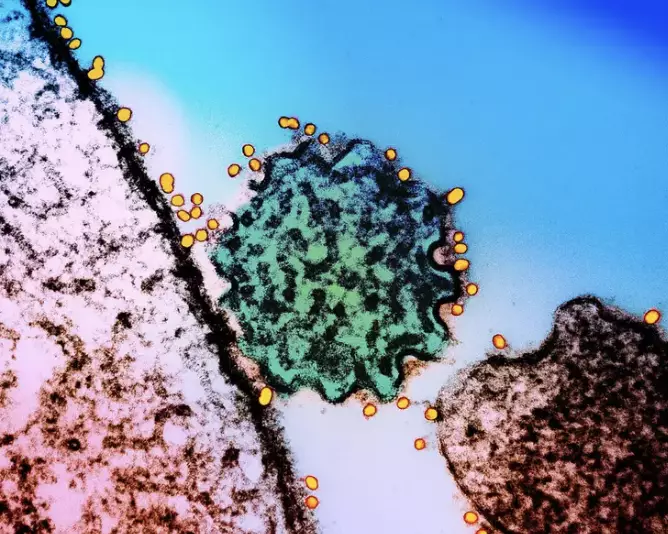
Once the virus is transmitted to humans, it can spread from person to person.
This potential for human transmission has prompted serious responses from Asian countries like Nepal, Taiwan, and Thailand.
Reports indicate that Thailand has enhanced its preventative efforts at key airports, screening approximately 1,700 travelers.
Fortunately, no infections have been detected so far.
The focus of these screenings is passengers originating from West Bengal, and Thailand remains vigilant as many enter the country via Suvarnabhumi, Don Mueang, and Phuket airports.
According to a report by Nation Thailand, some airport measures include requiring travelers from ‘risk areas’ to complete a health declaration form, and anyone with a fever must provide a medical certificate confirming their fitness to fly.
Additionally, aircraft arriving from outbreak areas will undergo sanitation inspections on every flight. Suspected cases will lead to disinfection of the aircraft before it can operate its next flight.
Airplanes from Nipah-affected regions are allocated specific parking bays. These will have designated screening zones, isolation areas, and possibly alternate baggage handling procedures.
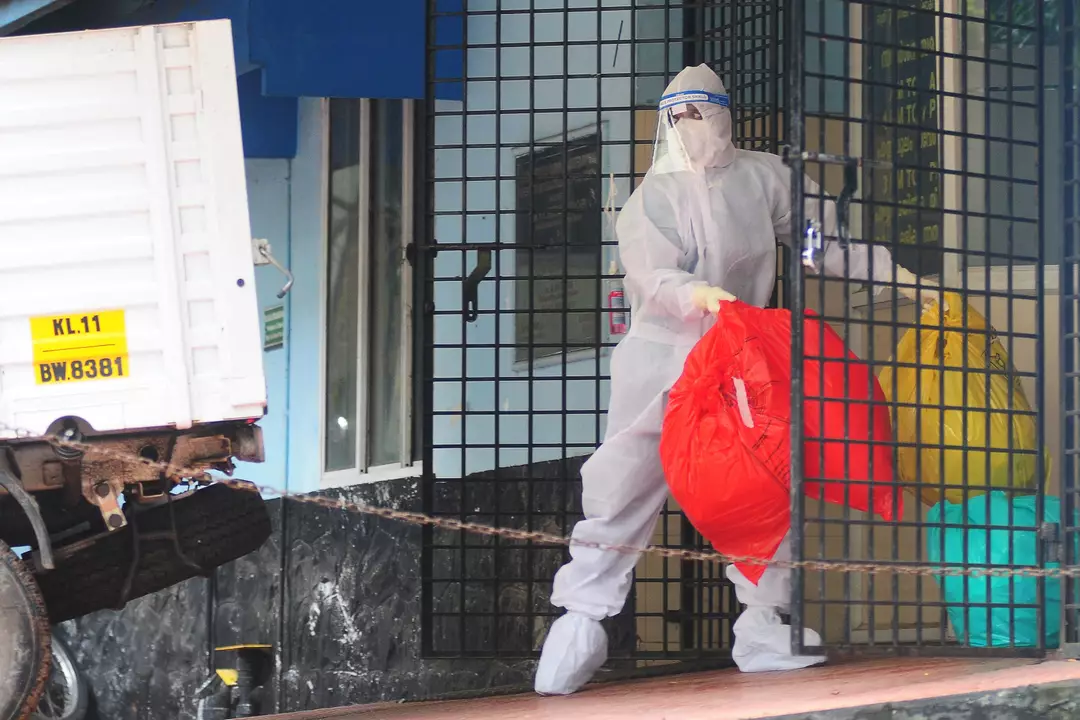
Thai health officials express confidence that these measures will effectively prevent an outbreak in the country.
Phatthana Phromphat, Thailand’s public health minister, discussed the nation’s approach to managing the virus.
As per a report from the Independent, he stated: “If there’s a suspected case at an airport, the person will be quarantined and the results of a relevant test will be known in eight hours.
He also highlighted that the transmission characteristics of the Nipah virus offer a more manageable scenario compared to their experience with COVID-19.
He added: “The transmission of Nipah virus is not like that of Covid. Even though they may be asymptomatic, Covid-infected people can transmit the virus.
“For Nipah, infected people will not transmit it as long as they do not have any symptoms.”