

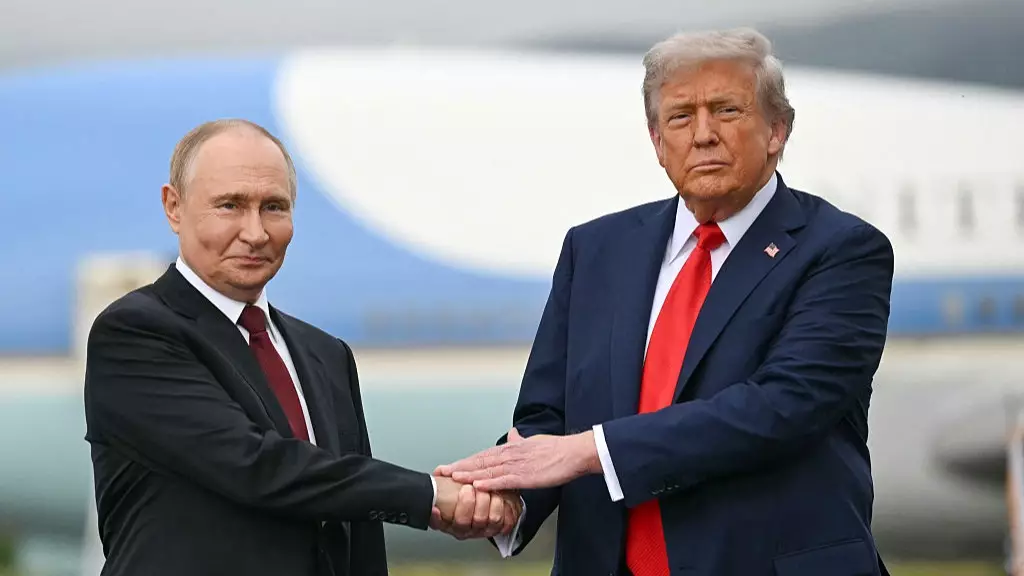
The final significant arms control treaty between the US and Russia is nearing its expiration date, with no signs of a forthcoming extension.
This isn’t exactly reassuring news, especially as the Doomsday Clock inches closer to midnight.
The New Strategic Arms Reduction Treaty (New START) was established to cap the number of nuclear weapons that both nations could deploy.
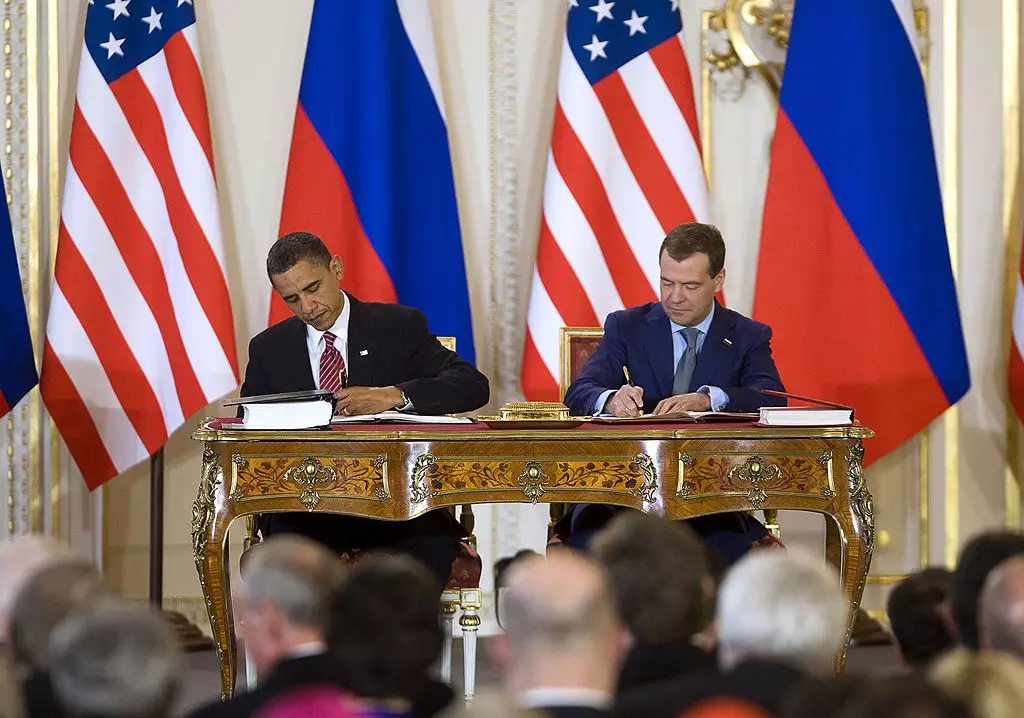
Signed by Russian President Dmitry Medvedev and US President Barack Obama in April 2010 in Prague, it was enacted on February 5, 2011.
According to the Nuclear Threat Initiative, the agreement restricts each country to deploying no more than 1,550 warheads across 700 delivery vehicles, which include missiles, bombers, and submarines.
It involves inspection and data-sharing to ensure compliance, although it does not restrict nuclear weapons testing.
In February 2023, President Putin declared the suspension of Russia’s participation in the New START treaty to block the US and NATO from inspecting Russian nuclear sites.
The following day, Russia expressed willingness to continue sharing specific data with the US, but retracted this a few weeks later.
The treaty was extended once by mutual agreement in February 2021 under US President Joe Biden.
Both countries agreed to a five-year extension, delaying expiration to February 5, 2026.
However, the treaty’s extension was only permitted this one time.
Back in July, Trump mentioned to reporters that he was ‘starting to work’ on the New START treaty, stating: “That is a big problem for the world, when you take off nuclear restrictions,”.
Currently, its fate remains uncertain.
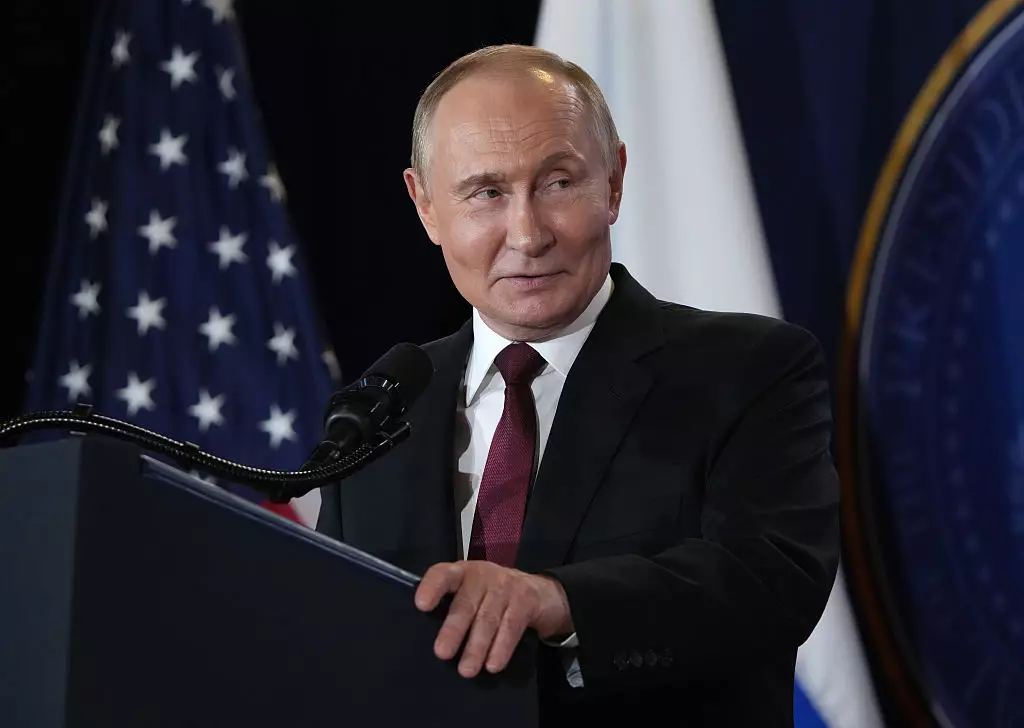
In September, Putin proposed maintaining the existing limits on nuclear weapon deployments if the US agreed to reciprocate.
He expressed a lack of concern if the agreement doesn’t proceed.
“Will these few months be enough to make a decision on an extension?” he remarked to reporters, reported.
“I think it will be enough if there is goodwill to extend these agreements. And if the Americans decide they don’t need it, that’s not a big deal for us.”
He further indicated that Russia was open to negotiations if deemed acceptable and beneficial to the Americans.
Putin stated: “If not, then no, but that would be a shame, because then there would be nothing left in terms of deterrence in the area of strategic offensive weapons.”
Russia has also acknowledged its ongoing development and testing of next-generation nuclear weapons.
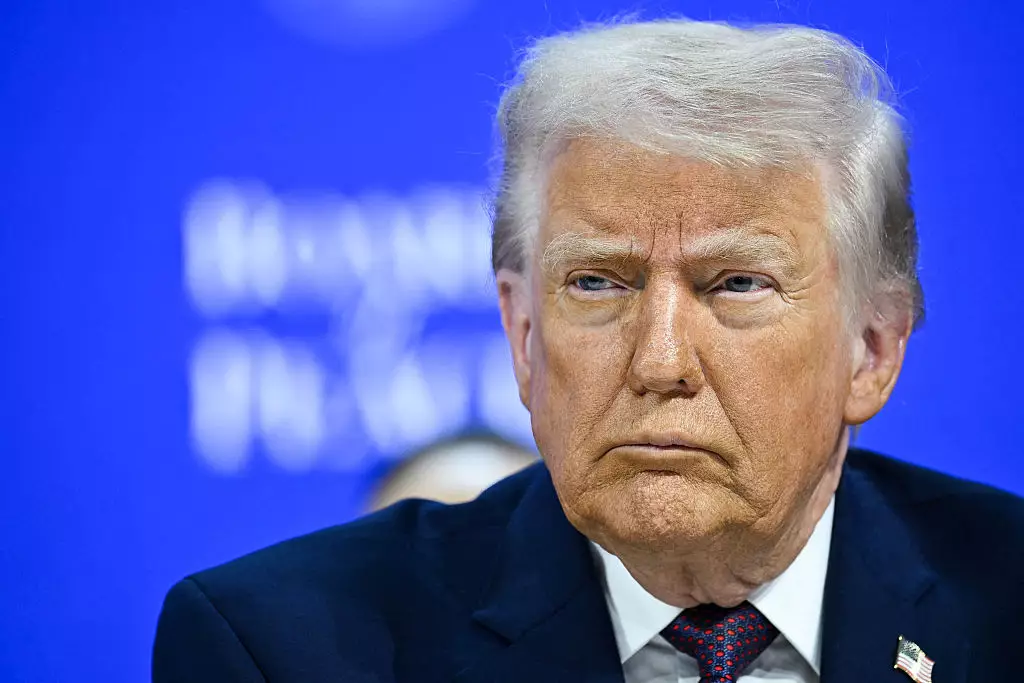
The self-proclaimed ‘President of Peace’ has so far suggested two seemingly contradictory approaches.
In October, when questioned about Putin’s proposal, Trump responded to reporters: “Sounds like a good idea to me.”
Earlier this month, however, Trump said: “If it expires, it expires. We’ll just do a better agreement.”
He also proposed the inclusion of China, currently expanding its nuclear arsenal, in any subsequent treaty.
“You probably want to get a couple of other players involved also,” he remarked.
According to the Stockholm International Peace Research Institute, China has increased its arsenal from 300 weapons in 2020 to over 600 by early 2025.
This could potentially rise to more than 1,000 warheads by 2030 and 1,500 by 2035.
When the outlet sought comment from the White House on Trump’s ‘better agreement’ remark, a spokesperson reiterated Trump’s earlier ‘sounds good’ response to Putin’s September offer.
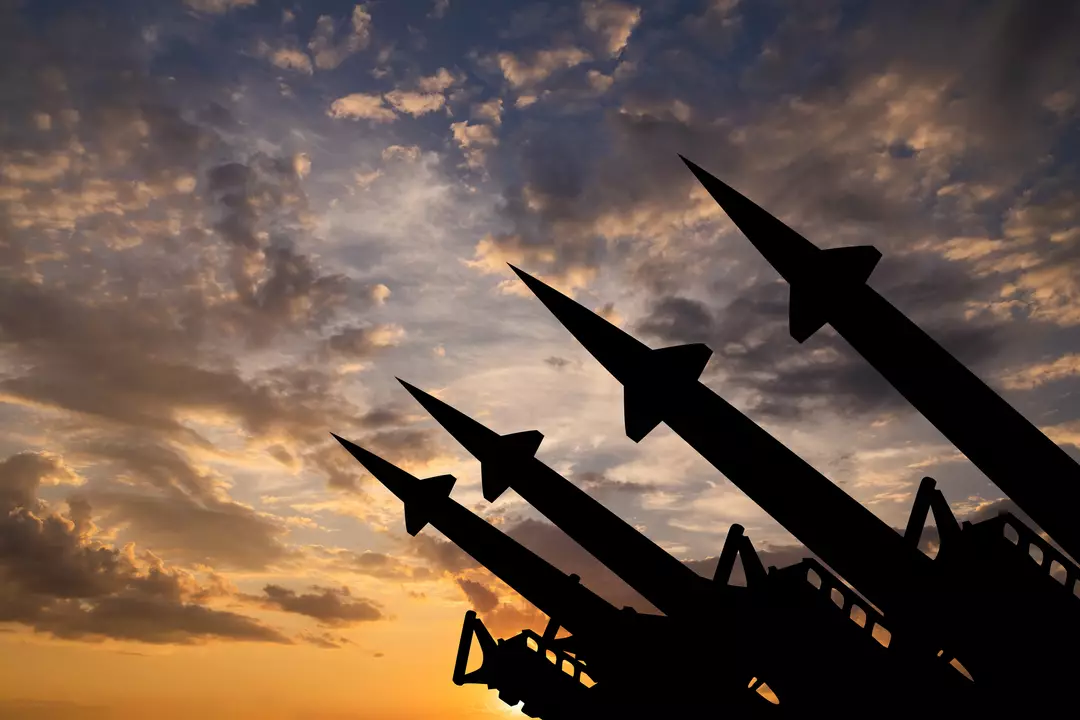
If the New START Treaty lapses, there will be no legal constraints on the number of warheads the US or Russia can deploy.
This would also end 15 years of on-site inspections, data exchanges, and notifications between the countries.
As reported by Chatham House, the elimination of these measures heightens the risk of a new arms race, ‘especially if either side begins uploading additional warheads onto existing missiles or expanding delivery systems’.
“Even if large-scale build-ups do not occur immediately, the absence of limits and transparency will make intentions harder to read and crises harder to manage,” the publication notes.
The US and Russia could find themselves compelled to outpace each other, with other nuclear nations like China potentially following suit.
However, if Trump and Putin reach a new one-year deal, it would temporarily halt any escalation… For the time being.