

In response to the emergence of the Nipah virus, several countries have swiftly implemented precautionary measures to avert a potential crisis.
After the experience with the COVID-19 pandemic, nations are understandably cautious about virus outbreaks, which has led to recent adjustments in three Asian countries. India has reported at least two confirmed Nipah virus cases in West Bengal since December.
The affected individuals, both nurses, were on duty together at a hospital from December 28 to 30. They soon fell ill and were subsequently admitted to intensive care on January 4.
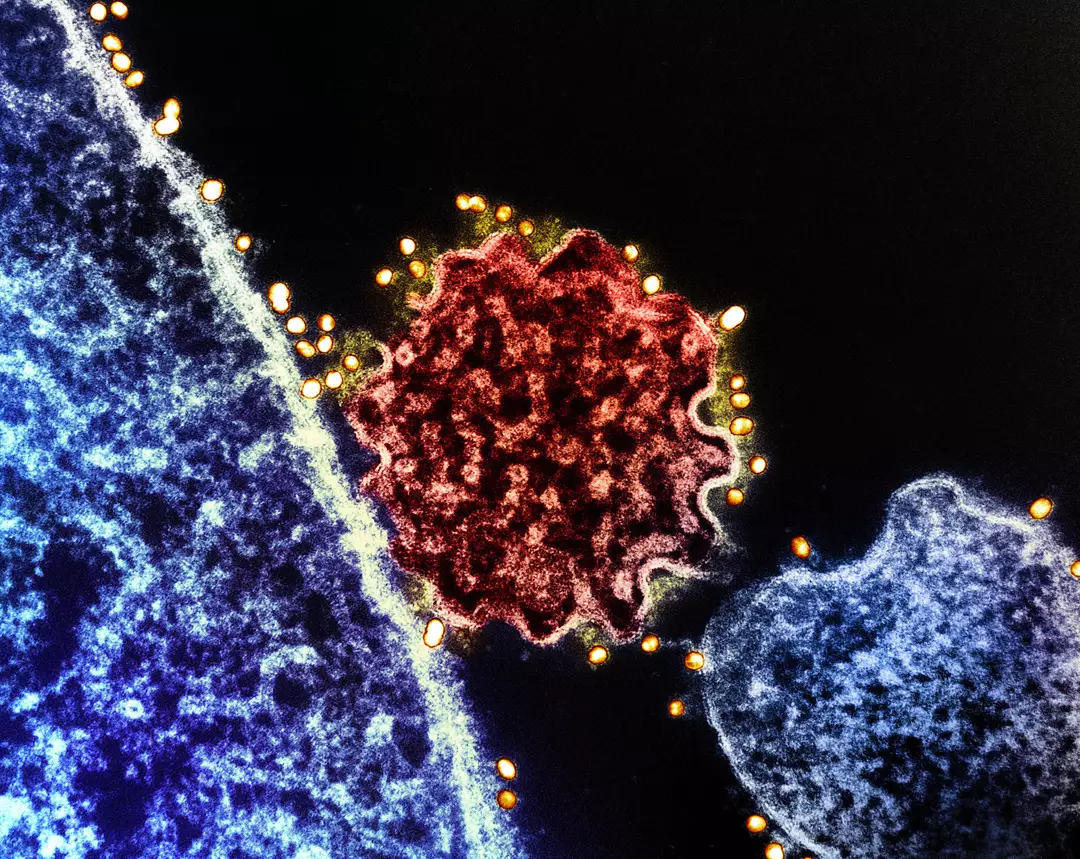
The Nipah virus is known for its high fatality rate of 40-75 percent, and there are limited treatment options with no known cure. Although not a new disease, understanding of it highlights the importance of preventive measures to curb further outbreaks and spread.

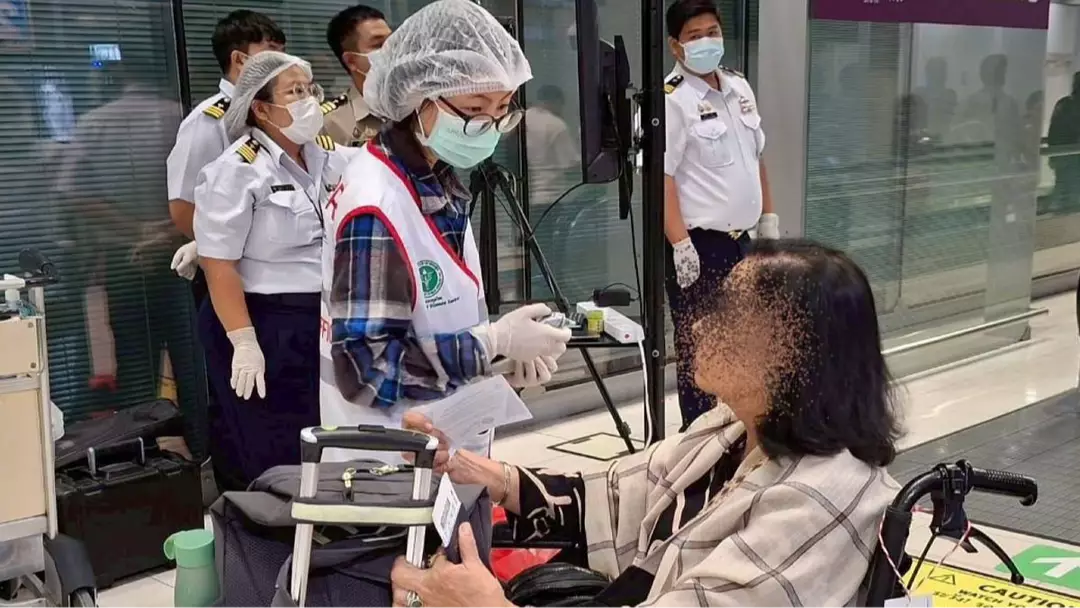
Nepal, Thailand, and Taiwan have modified airport protocols for passengers from at-risk areas, similar to measures seen during the COVID-19 outbreak.
New procedures include passengers completing health declaration forms, providing medical certificates for fitness to fly if they have a fever, and changes in screening, isolation, and baggage handling processes.
A doctor experienced in handling outbreaks has emphasized the critical need for early containment of the virus.
Dr. Seethu Ponnu Thampi, a community medicine specialist and assistant surgeon in the Kerala Health Service Department, who was involved during an outbreak in Kozhikode in 2018, discussed strategies for containment.
In an interview with The National, she highlighted the necessity of breaking the chain of transmission: “That is from bats to humans, then humans to humans.”
“This is a zoonotic disease and the fruit-eating bat is the main reserve host for this virus. As a result, we need to cut all the possible ways to transmit this virus from the bat to humans.”
“Healthcare workers in particular should be extra cautious as they are at very high risk, due to aerosol generation during intubation.”
“They are in direct contact with symptomatic patients and more prone to transmission.”
“During the initial incubation period, we have seen less transmission of the virus. In outbreak areas, people should try to avoid areas of intense vegetation where fruit bats are likely to congregate.”