


Health authorities are cautioning individuals using GLP-1 medications, along with their healthcare providers, to be aware of symptoms that could indicate a condition affecting the pancreas, potentially leading to severe outcomes.
On January 29, the UK’s Medicines and Healthcare products Regulatory Agency (MHRA) released a statement updating the product information for all Glucagon-Like Peptide-1 (GLP-1) receptor agonists and dual GLP-1/glucose-dependent insulinotropic polypeptide (GIP) receptor agonists. This update highlights the risk of developing severe acute pancreatitis for those using these medications.
Both patients and doctors are advised to be on the lookout for symptoms of acute pancreatitis in individuals treated with GLP-1 and GLP-1/GIP receptor agonists.
According to the MHRA, between 2007 and October 2025, there were 1,296 Yellow Card reports of pancreatitis linked to these medications, which are often used for type 2 diabetes treatment and weight management.

Out of these reports, 19 cases resulted in fatalities, and 24 were identified as necrotizing pancreatitis.
The MHRA acknowledges that while acute pancreatitis is a known side effect of these medications, some cases have been extraordinarily severe, including instances of necrotizing and fatal pancreatitis.
Given the challenges in early detection of pancreatitis, officials suggest that the product information for GLP-1 and dual GLP-1/GIP receptor agonists should more accurately reflect the potential seriousness of the condition.
Pancreatitis, as described by the Cleveland Clinic, involves inflammation of the pancreas, causing swelling, pain, and altered pancreatic function.
If left untreated, pancreatitis could result in serious health issues such as kidney failure, breathing difficulties, infections, malnutrition, bone weakening, diabetes, and pancreatic cancer.
One complication of acute pancreatitis is necrotizing pancreatitis, where portions of the pancreas die.
To promote awareness of pancreatitis symptoms, the MHRA emphasizes vigilance for abdominal pain, nausea, or vomiting among both doctors and patients.
Patients should consult a doctor if they experience severe, persistent abdominal pain that may extend to the back and be accompanied by nausea and vomiting.
In cases of suspected pancreatitis, healthcare providers are advised to discontinue the use of GLP-1 or GLP-1/GIP receptor agonists.

Dr. Alison Cave, MHRA’s chief safety officer, reiterated that GLP-1 medications are generally safe and effective for most patients.
According to Dr. Cave, as quoted by the BBC: “The risk of developing these severe side effects is very small, but it is important that patients and healthcare professionals are aware and alert to the associated symptoms.”
“If you, or someone you care for, is taking GLP-1s and you notice symptoms such as severe, persistent stomach pain that may radiate to the back and may be accompanied by nausea and vomiting, then we advise you speak to a healthcare professional and report it via our Yellow Card scheme, external.”
Novo Nordisk, the producer of Ozempic and Wegovy, expressed that patient safety is a top priority, emphasizing that while side effects can occur, they vary among patients. The company suggests that potential risks and benefits of GLP-1 medicines are outlined in the Summary of Product Characteristics.
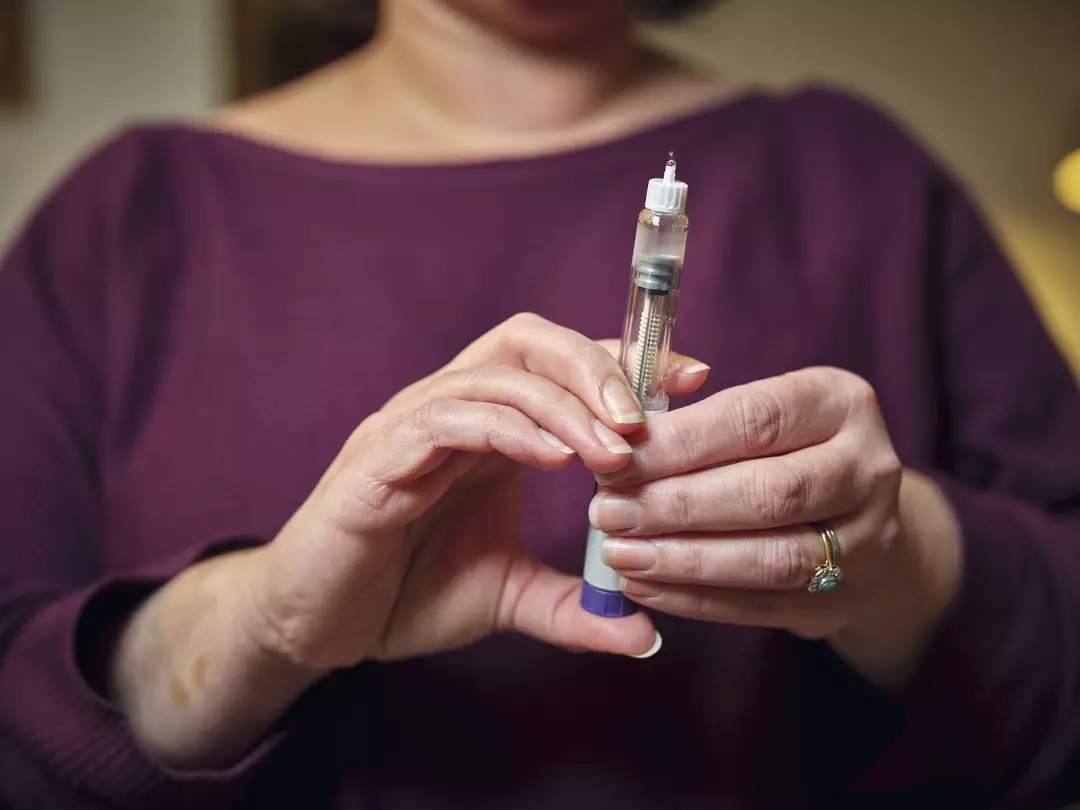
Novo Nordisk further advises that patients should use these medications only for approved indications and under proper medical supervision, with healthcare professionals remaining vigilant for signs of pancreatitis.
The company continuously gathers safety data on their marketed GLP-1 medicines and collaborates with authorities to ensure patient safety. The MHRA’s database includes rare instances of pancreatitis associated with GLP-1 and GLP-1/GIP receptor agonists since 2007.
The benefit-risk profile of GLP-1 medications remains positive, and the company is open to new research to enhance understanding of treatments for chronic diseases.
Eli Lilly, the manufacturer of Mounjaro, also prioritizes patient safety, actively monitoring and reporting safety information for their medications. They highlight that their Patient Information Leaflet warns of acute pancreatitis as an uncommon side effect and advises consulting healthcare professionals before use if pancreatitis has been previously diagnosed.
The company collaborates with the MHRA to ensure prescribers have access to appropriate safety information and encourages patients to consult healthcare professionals regarding any side effects.