


Health professionals are advising caution for individuals taking vitamin C supplements, suggesting people stop or adjust their dosage if they notice any unexpected symptoms.
Vitamin C is a popular supplement known for its role in fighting off colds and flu during the colder seasons.
This vitamin not only supports the immune system but also assists in iron absorption and helps maintain healthy skin, blood vessels, bones, and cartilage.
According to Mayo Clinic, vitamin C can be found in foods such as berries, cantaloupe, tomatoes, peppers, potatoes, cabbage, Brussels sprouts, broccoli, spinach, and citrus fruits like oranges.
While most individuals receive sufficient vitamin C through their diet, smokers, those exposed to secondhand smoke, individuals with certain digestive conditions or cancers, or those whose diets lack fruit and vegetables might be at risk of deficiency.

So, what is the recommended daily intake of vitamin C?
Per Mayo Clinic’s guidelines, it’s recommended that women consume 75 mg of vitamin C daily, while men should aim for 90 mg.
They further state: “Pregnant individuals should aim for 85 mg daily. Those who are breastfeeding should target 120 mg daily. Typically, children require less vitamin C daily than adults, with the specific amount varying by age.”

However, consuming excessive amounts of vitamin C can result in four specific symptoms.
Intake above 1,000mg per day is considered high, and according to the NHS, if you experience diarrhea, nausea, gas, or cramps, discontinuing or reducing the supplement should alleviate these symptoms.
Additionally, it’s crucial to understand that excessive vitamin C can heighten the risk of kidney stones.
Kidney stones, typically located in the kidneys or ureter, can be quite painful and may lead to kidney infections.
The NHS explains, “Your body will absorb any dietary vitamin C and convert it to oxalate, which can then form stones in your kidneys. If your diet is varied and includes fruits and vegetables, vitamin supplements should not be necessary.”
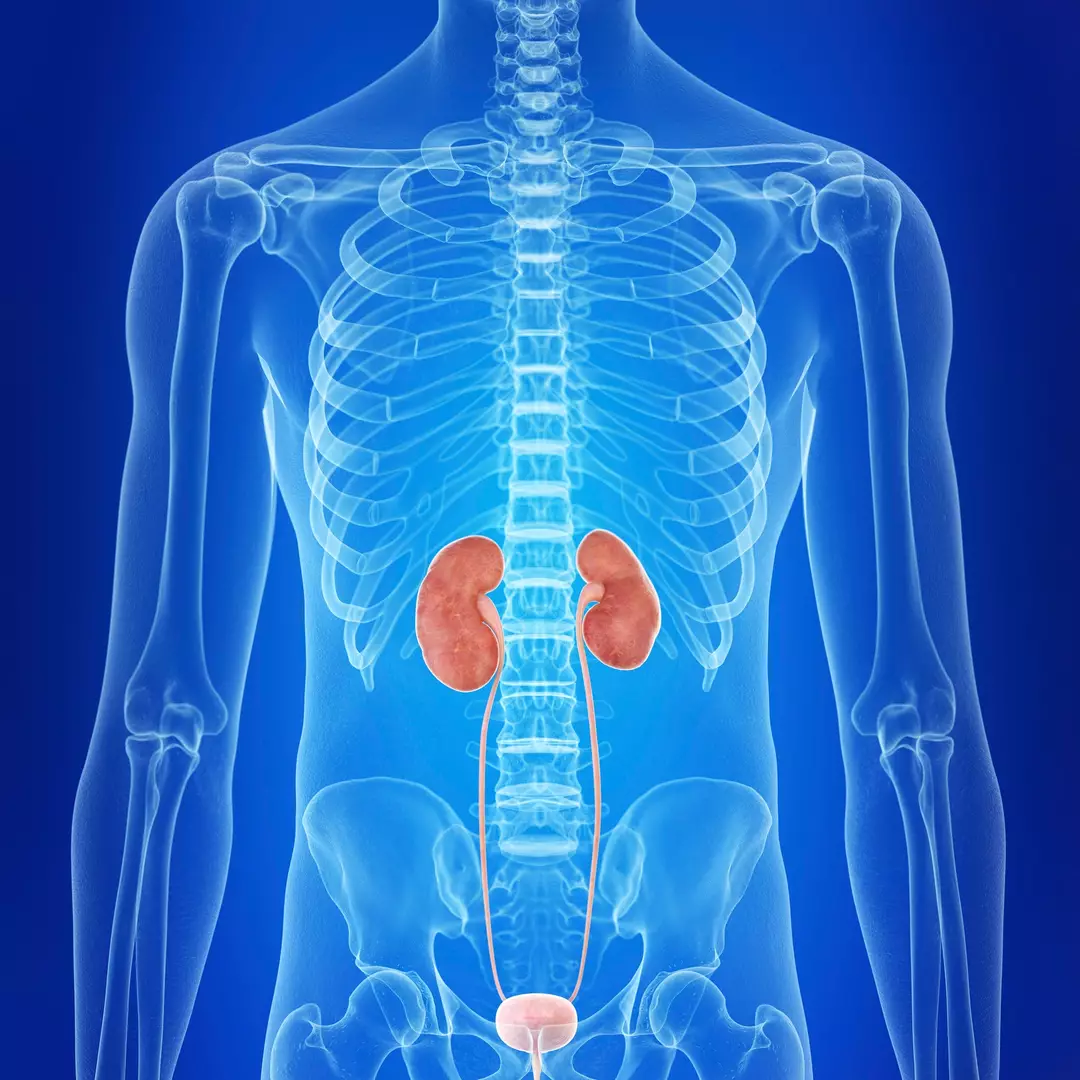
While some kidney stones remain unnoticed, larger stones, which are more likely to cause issues, can present symptoms such as: