

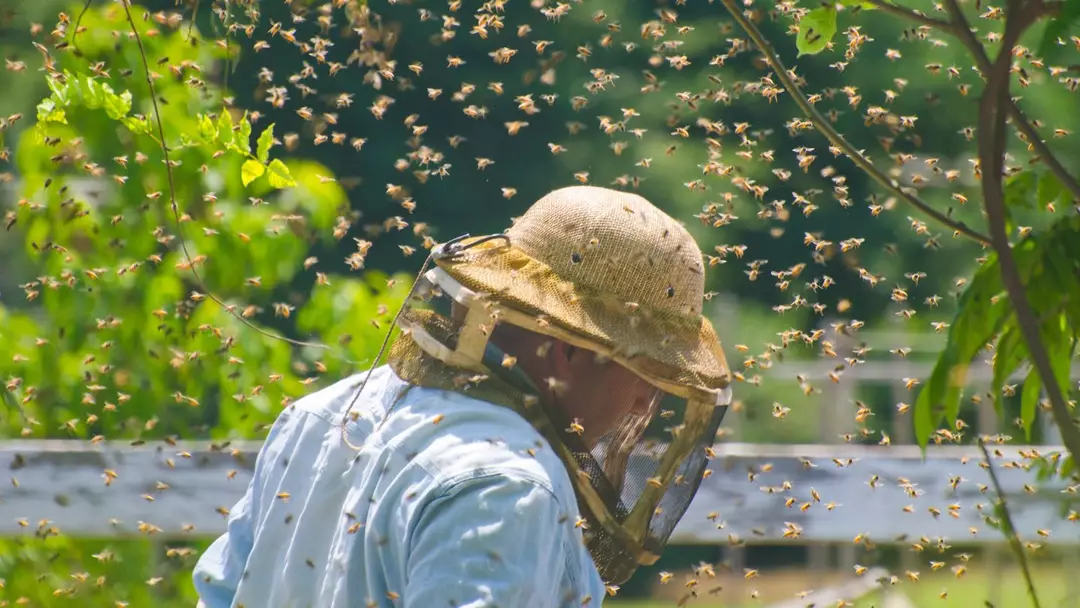
A medical expert has delivered a stark warning to the global population as the decline of the world’s insect populations is occurring at an alarming rate.
When a warning is directed at humanity, it is imperative that we pay close attention.
These recent assertions are made by Dr. Joseph Varon, who indicates that insects such as beetles, butterflies, moths, flies, and bees are becoming increasingly rare.
While many may find these creatures bothersome, Dr. Varon, based in Houston, emphasizes their importance to both the planet and humanity.
Dr. Varon elaborated on his concerns in an article for The Defender, which will surely provoke worry among those considering the detrimental effects on our environment.
He wrote: “In medicine, silence can be more alarming than noise. For example, a patient who abruptly stops voicing discomfort or a monitor that ceases activity may signal system failure rather than resolution.
“Ecology presents a similar scenario, and currently, the silence is deeply concerning.”
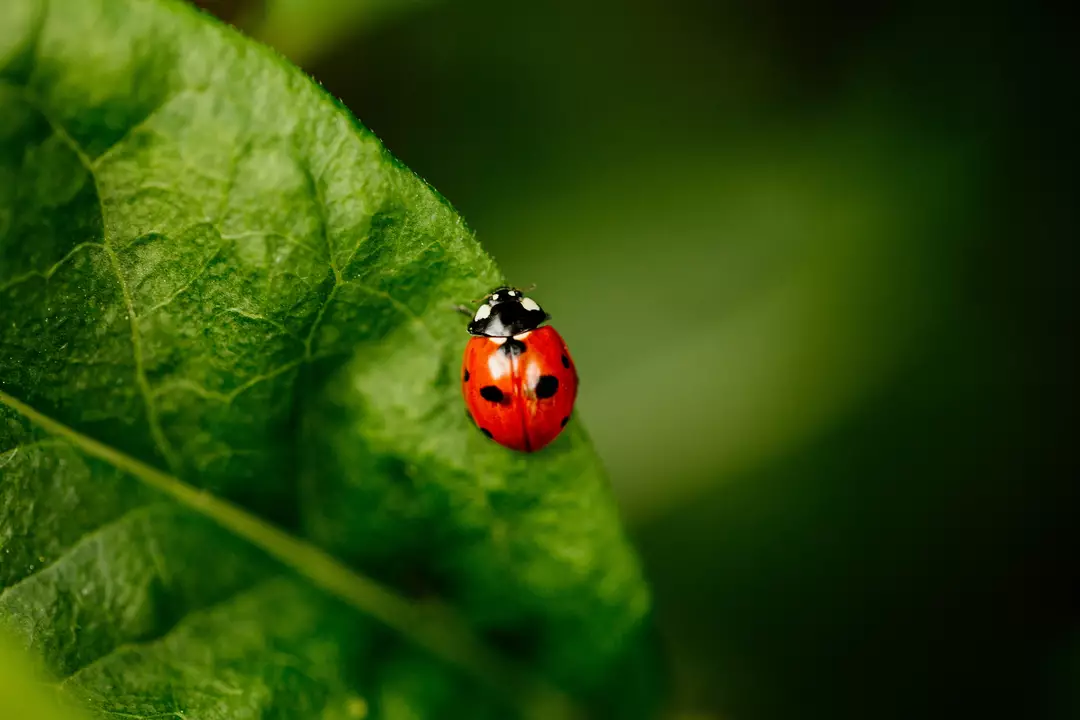
He continued: “Insects are disappearing across vast regions globally. This is not a modest decline or a simple geographic shift, but a rapid vanishing of beetles, butterflies, moths, flies, mosquitoes, bees and entire functional groups.”
What would the absence of insects mean for us on Earth?
Immediately, it would lead to a shortage of fruits and vegetables, as well as nuts and legumes.
Nutrients, vitamins, minerals, and antioxidants would become scarce, potentially leading to increased health issues within the population.
Experts suggest that some individuals might experience weakened immune systems and a higher likelihood of chronic illness.
In simple terms, insects play a crucial role.
“The current silence should not be interpreted as stability. It is a warning,” Varon added. “Without insects, food systems collapse not just quantitatively, but qualitatively. Nutrient diversity declines. Resilience vanishes. Dependency on industrial inputs increases.”
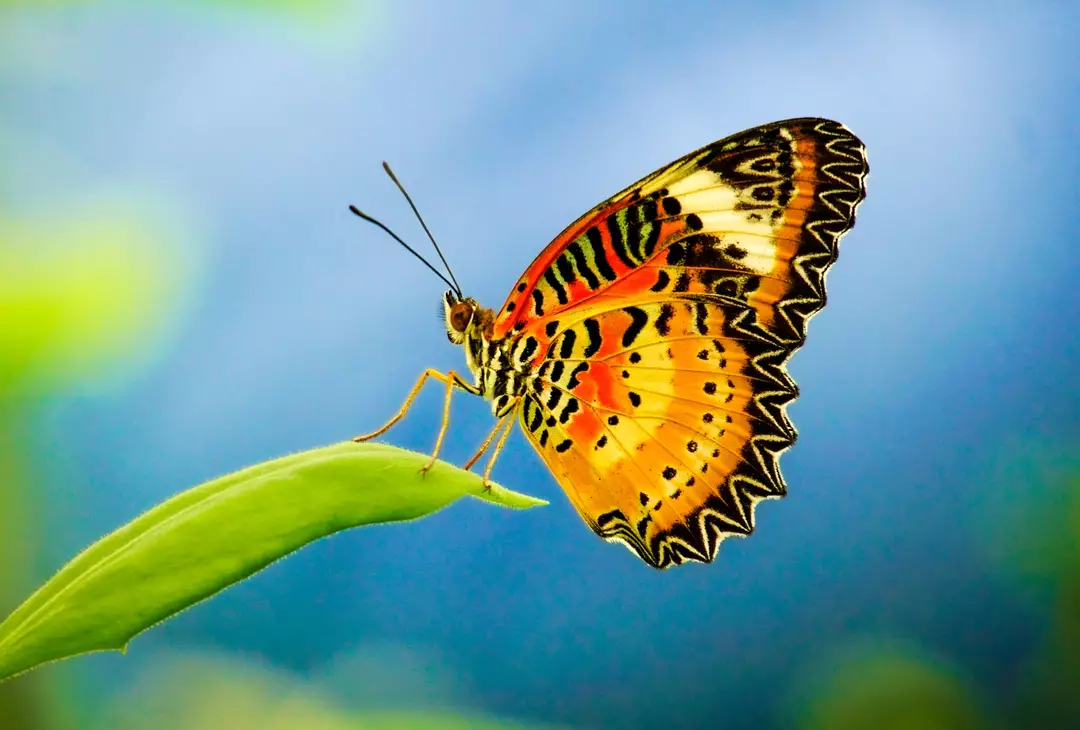
Research indicates that by 2030, a quarter of the world’s insects could face extinction, potentially resulting in dire outcomes, Dr. Varon has cautioned.
He cited an example of individuals suffering from ‘recurrent respiratory infections’ related to changes in pollen levels, due to ‘altered insect populations’.
To prevent further deterioration, Dr. Varon urges immediate action from the public.
In his advice, he stated: “It is essential for medical professionals to integrate environmental health assessments into their practice, amplifying the connectivity between ecological and human health.”