


A new study has unveiled potential negative effects of a well-known diet praised for its weight loss potential, using mice as subjects.
Many individuals aim for weight loss when adopting a new diet or lifestyle. Various strategies, such as fasting, eating only one meal per day, or avoiding food after a specific evening hour, are often explored to shed pounds.
The ketogenic (keto) diet is one method recognized for its effectiveness in weight reduction.
Healthline notes that individuals can anticipate losing between two to ten pounds within the first week of adhering to the keto diet. This effect is due to the body entering ketosis—a metabolic state where fat, rather than carbohydrates, is used for energy.

Initially designed in 1921 to aid in epilepsy management, the keto diet is characterized by high-fat and low-carbohydrate intake. Typically, this dietary approach includes 55-60% fat, 30-35% protein, and up to 10% carbohydrates.
The specific amounts in grams vary based on an individual’s caloric needs.
Recent research by University of Utah Health, published in October 2025, indicates that the keto diet may adversely affect metabolic health, especially in how the body processes fats and carbohydrates.
Using mice, researchers examined the long-term impact of the keto diet, noting a heightened risk of developing fatty liver disease as a significant concern.
Amandine Chaix, PhD, an assistant professor of nutrition and integrative physiology at the university, led the study. She explained, “One thing that’s very clear is that if you have a really high-fat diet, the lipids have to go somewhere, and they usually end up in the blood and the liver.”
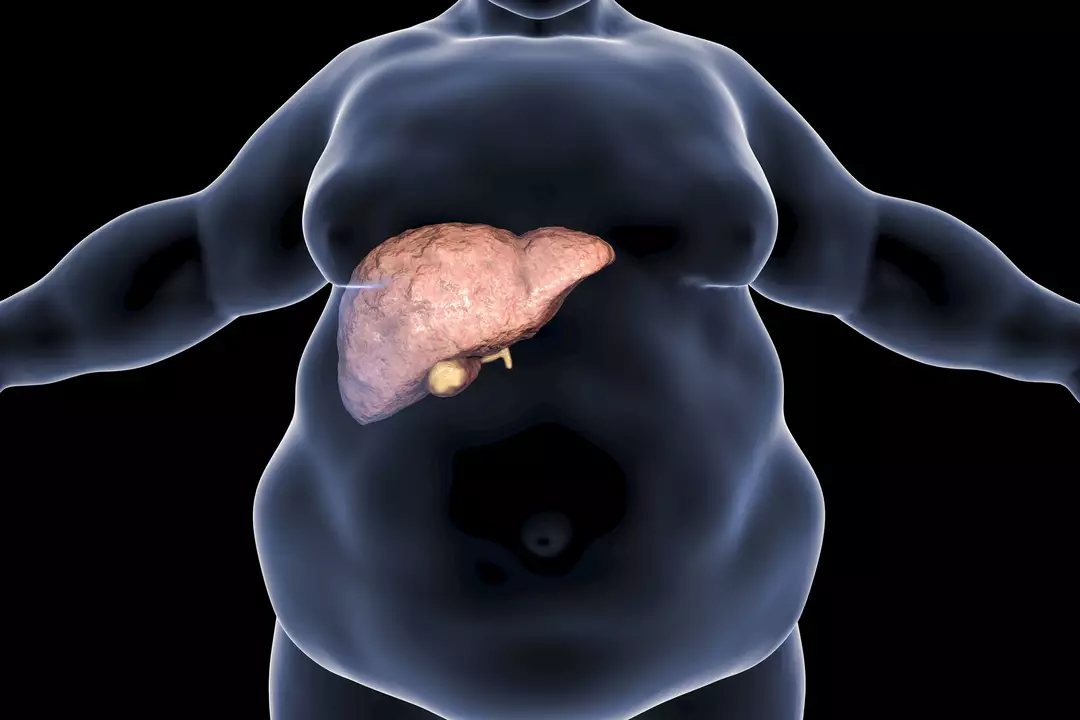
Chaix further mentioned that the diet is “definitely not protective in the sense of fatty liver disease.”
The study also revealed that mice on the keto diet for two to three months showed low blood sugar and insulin levels, as the diet negatively affected their ability to regulate blood sugar.
“The problem is that when you then give these mice a little bit of carbs, their carb response is completely skewed,” Chaix stated. “Their blood glucose goes really high for really long, and that’s quite dangerous.”
In light of these findings, Molly Gallop, PhD, an assistant professor of anatomy and physiology at Earlham College, who led the research, advised individuals to consult with healthcare professionals before starting a keto diet.

Despite these concerns, the diet offers several advantages. In addition to aiding in weight loss, previous studies, as cited by Harvard Health, suggest that the keto diet can reduce seizures in children and enhance blood sugar levels in patients with type 2 diabetes.
Moreover, there is ongoing inquiry into the diet’s neuroprotective properties concerning brain disorders such as Parkinson’s, Alzheimer’s, multiple sclerosis, sleep disorders, autism, and even brain cancer.