

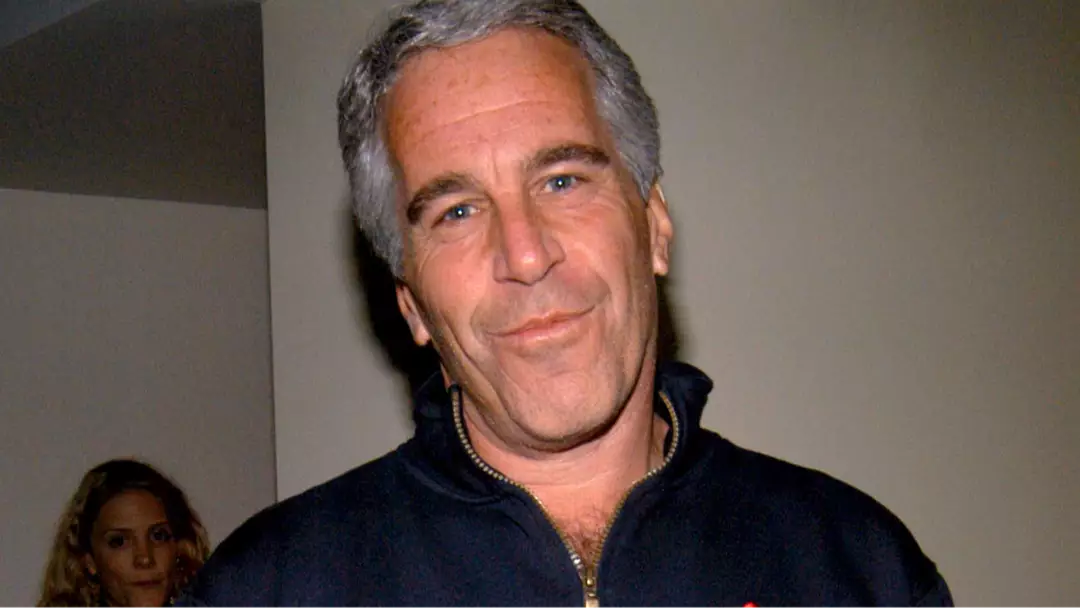
Recent revelations from the Department of Justice’s release of Jeffrey Epstein files indicate that Epstein intended to allocate a significant part of his wealth to his girlfriend, as per documents revealed on Friday (January 30).
Following the approval of the Epstein Files Transparency Act in the US, over three million documents and photographs have been disclosed. Although some Democratic figures assert there are additional files pending release, the DOJ has announced that the recent batch is the concluding release concerning the convicted sex offender.
These files have named several prominent individuals such as Donald Trump, Elon Musk, and Bill Gates. However, inclusion in the files does not inherently imply any misconduct.
The newly released documents disclose Epstein’s plan to distribute his wealth surpassing a quarter billion dollars to at least 44 beneficiaries, just two days before his passing.
Epstein was found to have died by suicide in his Manhattan jail cell in 2019.
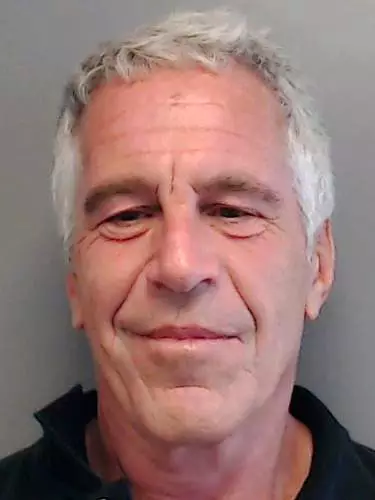
The will was finalized and signed by Epstein just days before his demise. His attorney, Darren Indyke, signed off eight days posthumously. While some wealth distribution has occurred, approximately $127 million is reportedly still entangled in USVI courts.
Karyna Shuliak, Epstein’s last known romantic partner, was named as a recipient of $50 million, as mentioned in the documents. Epstein also intended to leave her a ranch in New Mexico, his property on Little Saint James, and his estate on Great Saint James. Additionally, she was supposed to receive a luxurious apartment in Paris, a Manhattan townhouse, and a Palm Beach residence.
Furthermore, Epstein’s former partner was to receive a diamond ring described as ‘set with a rectangular-cut diamond, weighing approximately 32.73 carats, flanked by baguette-cut diamonds mounted in platinum’.

Overall, there are believed to be around 48 pieces of valuable jewelry.
Upon the release of the final set of Epstein files, the DOJ issued a cautionary note: “This production may include fake or falsely submitted images, documents or videos, as everything that was sent to the FBI by the public was included in the production that is responsive to the Act.”
The department also refuted claims made against President Trump in the latest documents, stating: “Some of the documents contain untrue and sensationalist claims against President Trump that were submitted to the FBI right before the 2020 election.”