

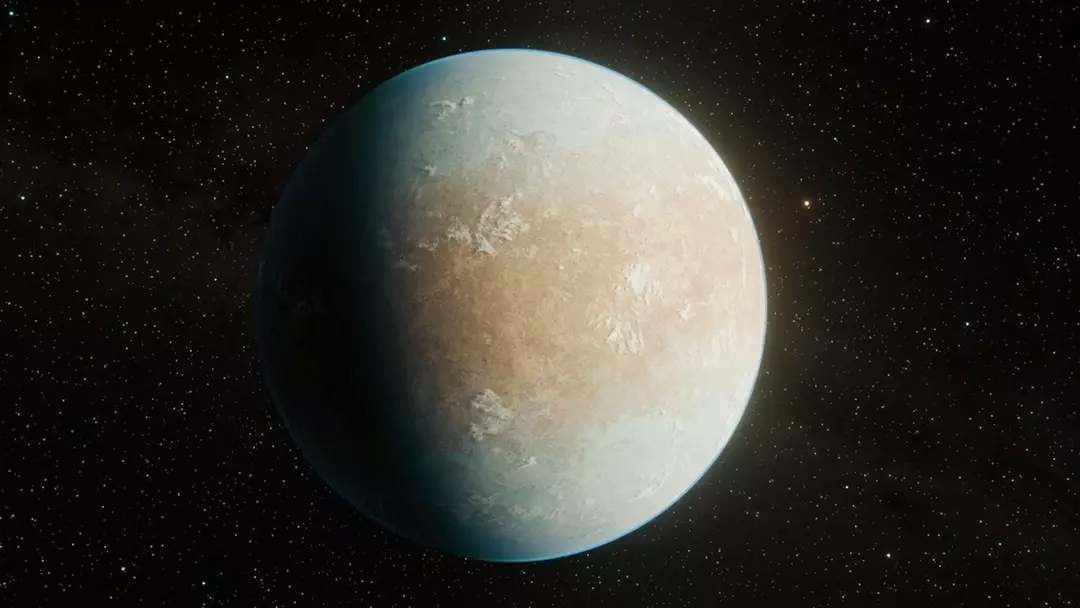
A team of internationally renowned scientists has discovered a planet that might support life forms similar to those on Earth.
While this doesn’t mean we’ve confirmed extraterrestrial life, identifying planets with Earth-like traits remains a significant area of study.
This intriguing planet is located approximately 146 light-years away, sharing some environmental characteristics with Mars. Researchers from Australia, the UK, the US, and Denmark identified it using data from the now-decommissioned NASA Kepler space telescope, collected in 2017.
The researchers suggest that the planet, named HD 137010 b, has “about a 50 percent chance of residing in the habitable zone” of its star. This implies it lies within a region where the temperature is neither too hot nor too cold, potentially allowing for the presence of liquid water.
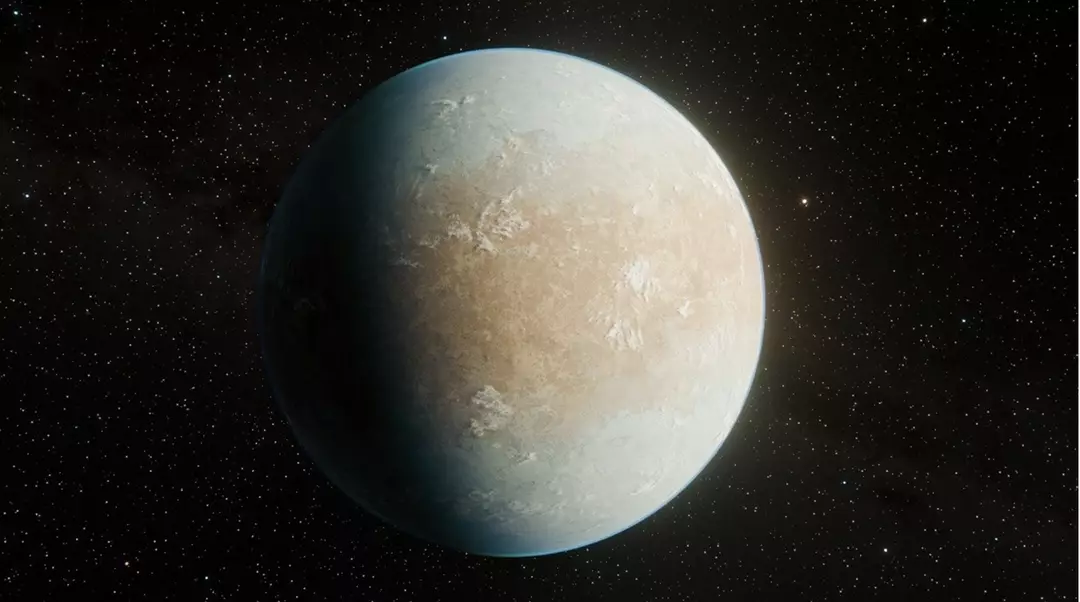
This finding is significant as liquid water is considered crucial for life as we know it. Dr. Chelsea Huang, a researcher at the University of Southern Queensland, and co-author of the study, noted that the planet has an orbit of approximately 355 days.
Reports said that Dr. Huang mentioned, “What’s very exciting about this particular Earth-sized planet is that its star is only [about] 150 light-years away from our solar system.
“The next best planet around a sun-like star, in a habitable zone, [Kepler-186f] is about four times farther away and 20 times fainter.”
However, considering the planet as a future home is premature. Surface temperatures are estimated to be a frigid –70C (-94 Fahrenheit). The star it orbits is cooler and dimmer compared to our sun, making the planet’s surface conditions more akin to Mars than Earth.
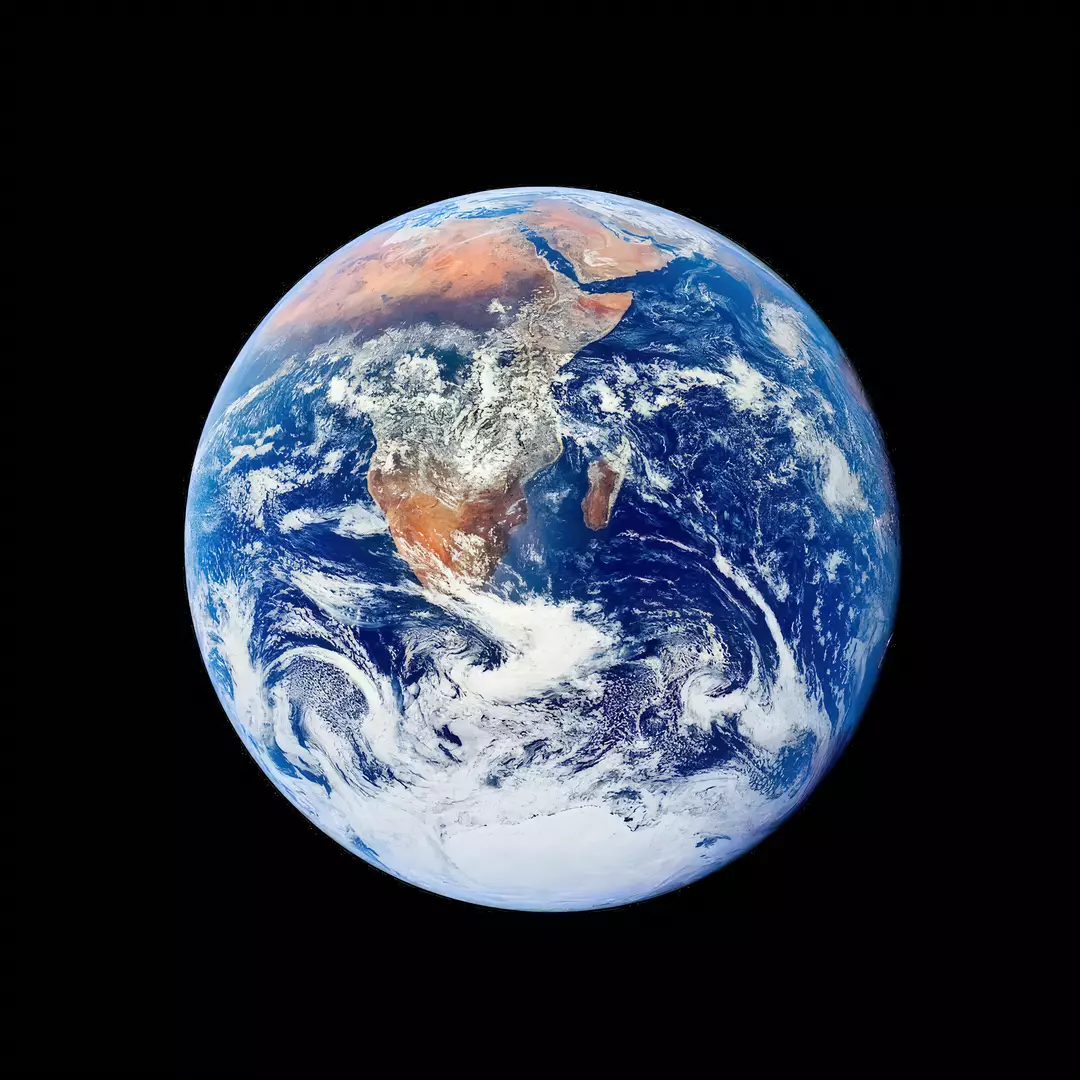
Dr. Sara Webb, an astrophysicist at Swinburne University, who was not involved in the study, described the discovery as “very exciting” but emphasized that more data is necessary to confirm HD 137010 b as an exoplanet. She speculated it might be “something called a super snowball,” a large, icy planet with potentially significant water content, though much of it might be frozen.
She further explained that despite the planet’s relative proximity in our galaxy, it would still take tens of thousands, if not hundreds of thousands, of years to reach, given current travel speeds.