


Choosing a baby name is often seen as one of the enjoyable parts of expecting a child, but some names are completely prohibited.
While many parents struggle with the decision to find the perfect name for their newborn, some venture beyond the usual choices, opting for something unique, meaningful, or simply unusual. The influence of celebrities, who often choose names inspired by fruit, directions, brands, and even planets, has contributed to the belief that there are no limits when naming a child.
However, while creativity may flourish on social media birth announcements, the real world presents challenges when it comes to legal documentation and official approval.
This is because, in several countries, baby names are subjected to regulations and evaluations, leading to potential rejections. This regulatory process can stir up controversy.
Globally, governments intervene to prevent names they consider potentially harmful, offensive, confusing, or embarrassing. These rules often aim to protect children from future bullying, but occasionally lead to unexpected and unusual outcomes.
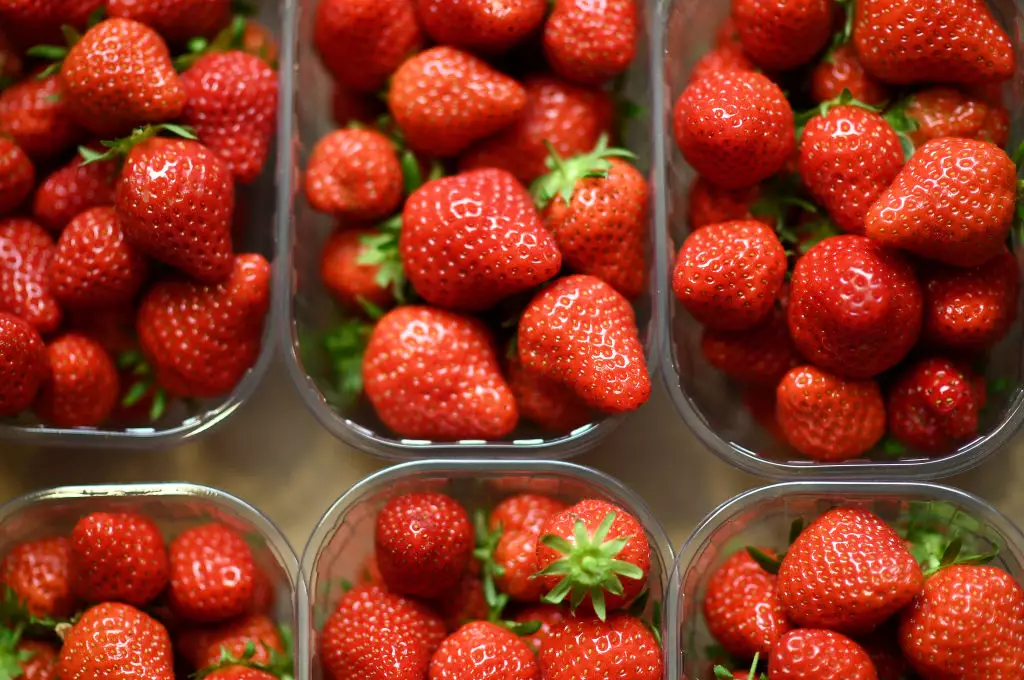
For instance, in Saudi Arabia, the name Linda, common in the UK, was banned for being ‘non-Islamic’ and culturally inappropriate, as noted by the outlet. Meanwhile, French authorities turned down the name Fraise, which means strawberry, due to its association with the phrase ‘ramène ta fraise’, a colloquial way of saying: “get your butt over here.”
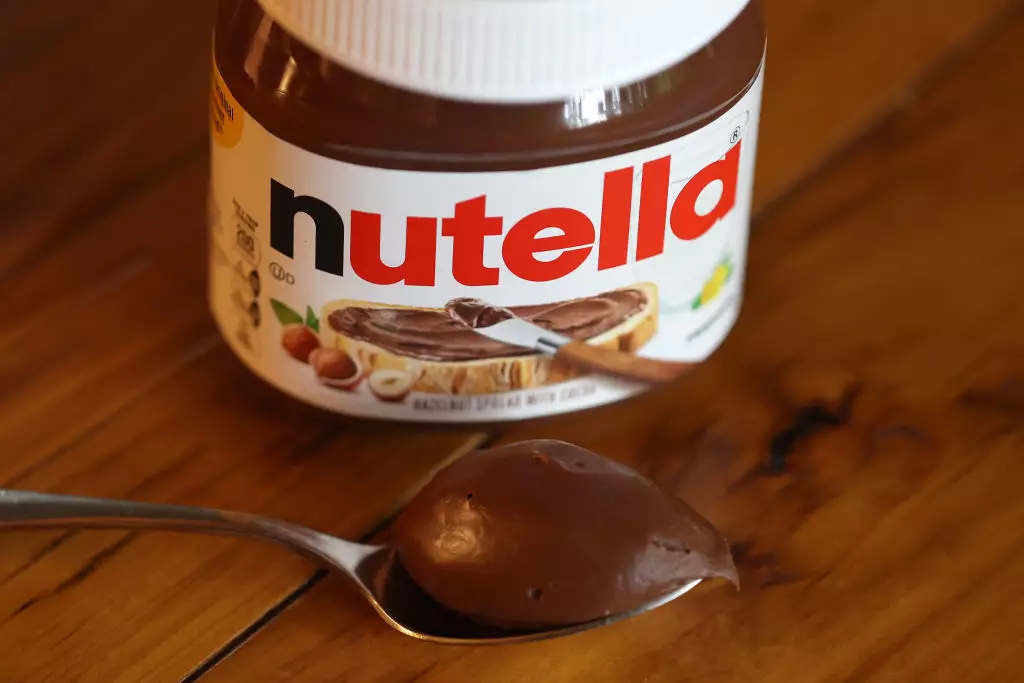
Some restrictions focus on avoiding humiliation. The name Nutella has been prohibited in several countries to prevent ridicule, while the UK banned Cyanide because a court ruled it could cause emotional harm due to its notorious association.
Administrative concerns also lead to bans. In Australia, LOL (laugh out loud) was rejected as it was seen as potentially compromising the seriousness of legal documents and could cause identification issues.
Sweden famously rejected the name Brfxxccxxmnpcccclllmmnprxvclmnckssqlbb11116, which was supposedly pronounced Albin, citing practicality and legal challenges.
Titles and authority are strictly regulated in some places. In New Zealand, names like King, Queen, Princess, and Messiah have been consistently refused because they suggest unearned status or religious importance. Attempts to sidestep the rules with unique spelling have also resulted in rejections.
Names referencing brands and pop culture are often off-limits. In Sweden, Metallica was banned due to trademark issues, Burger King was not allowed in Mexico, and Japan has banned Akuma because it translates to devil.