


Specialists have cautioned against attempting a trending sleep method that might not only be ineffective but could also be hazardous.
Sleep difficulties have been a longstanding health issue, possibly as ancient as humanity itself – whether it’s excessive screen time before bed keeping you awake, or ancient worries about predatory threats during the night.
However, experts are alerting that a recent trend meant to aid sleep might be harmful, potentially posing risks.
A common complaint regarding achieving restful sleep is a snoring partner. Numerous solutions exist to address this issue, and it doesn’t involve banishing them to the couch.
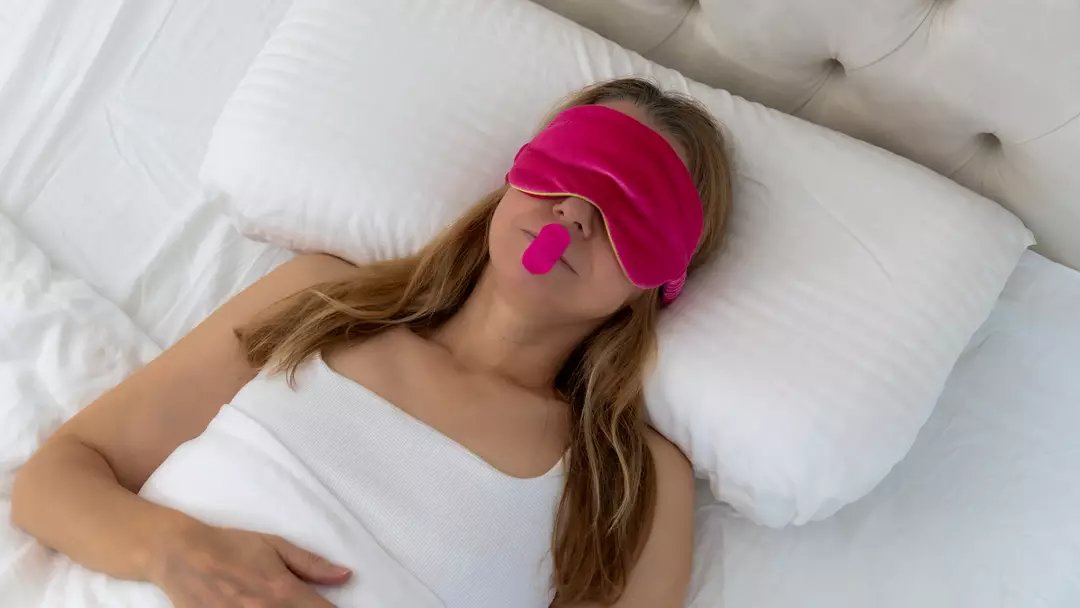
This practice is referred to as ‘mouth taping,’ which involves taping your mouth shut to encourage nose breathing while asleep.
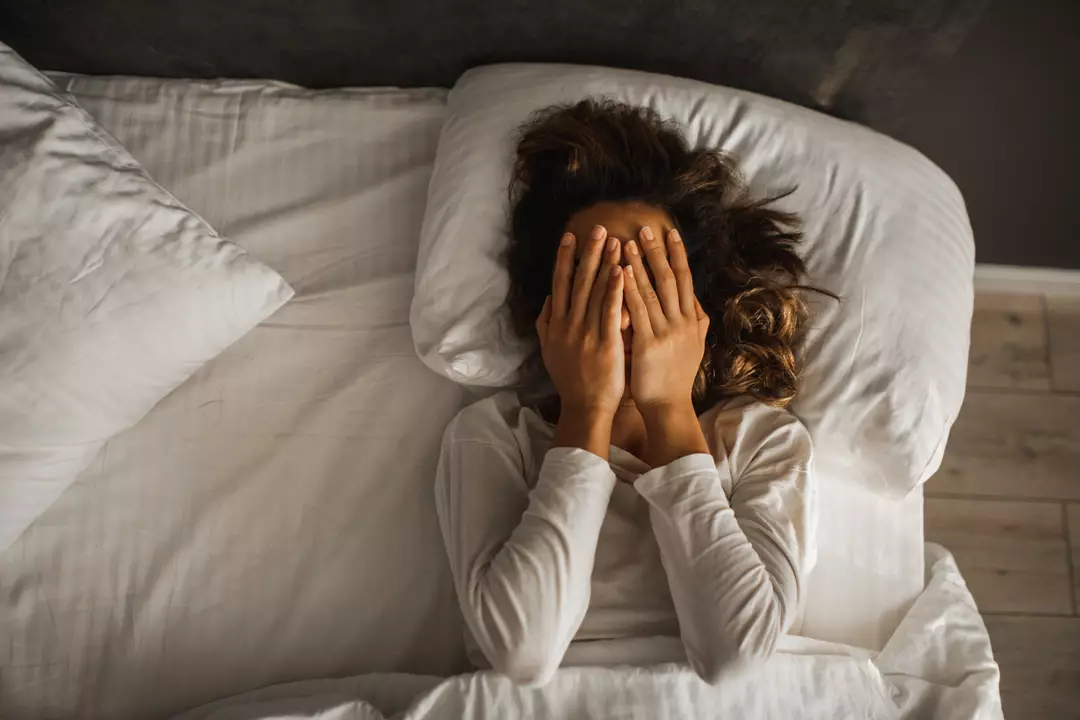
The method has gained popularity online, particularly on platforms like TikTok, but it’s not difficult to see how taping your mouth shut could be risky while sleeping.
Advocates suggest that nasal breathing is superior to mouth breathing during sleep, and taping your mouth closed compels you to breathe through your nose.
Paediatric sleep specialist Brian Chen, MD, discussed in a Cleveland Clinic blog post that this method should be avoided if you have conditions such as a heart condition, persistent allergies, any nasal congestion or blockage, enlarged tonsils, or a deviated septum.
Dr. Chen advised: “For individuals already struggling with conditions like nasal obstruction or chronic allergies, mouth taping introduces an unacceptable level of risk.
“Having your mouth taped closed forces you to rely on only your nose for air, potentially leading to severe respiratory distress, significant drops in oxygen levels and exacerbation of underlying health issues during sleep.”
Furthermore, there is insufficient evidence supporting that taping your mouth reduces snoring.
“Most of the evidence is anecdotal,” Dr. Chen mentioned.
He added: “There’s not strong enough evidence to support that mouth tape is beneficial, and it’s not part of our current practice to treat any sleep disorder.
“Mouth taping could also cause an allergic reaction from the tape or a skin irritation or rash, so you should always talk to a doctor before starting this practice.”