

A seven-year-old girl unwittingly overdosed on her mother’s GLP-1 medication, with her family later expressing their belief that divine intervention ‘protected us’ on that day.
Medications such as GLP-1, including Ozempic and Mounjaro, have seen a rise in popularity due to their effectiveness in aiding weight loss.
These drugs are available in different forms for weight management, ranging from those prescribed for Type-2 diabetes management to those specifically for weight loss.
Despite stringent criteria involving weight, age, and health being necessary for a prescription, it doesn’t always prevent children from accessing these medications.
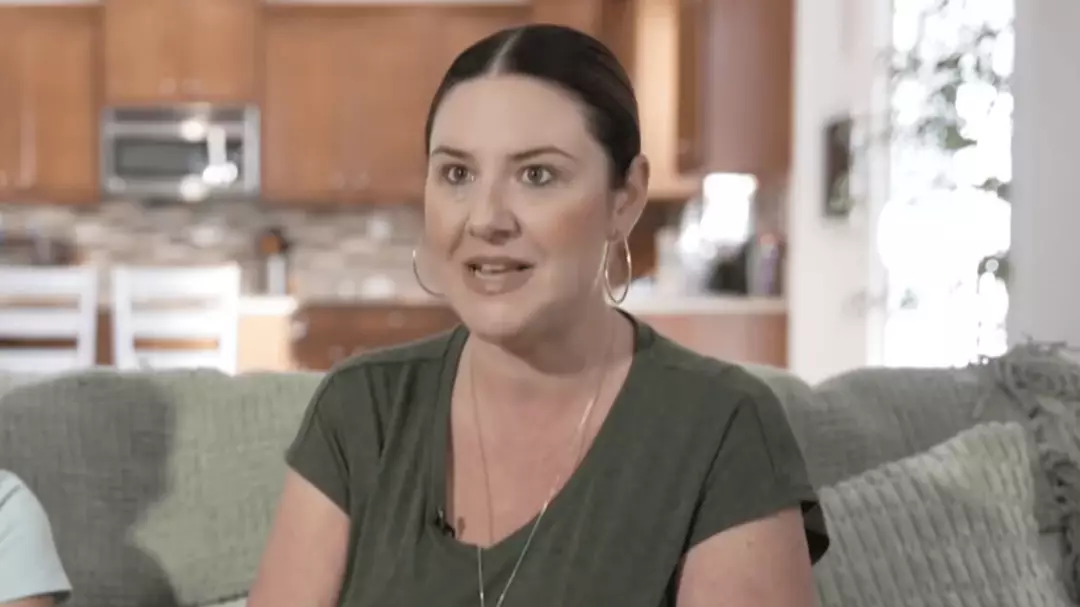
Jessa Milender from Indiana recounted to WHAS-11 how she inadvertently injected herself with her mother’s GLP-1 pen in December 2024, with her mother detailing the frantic efforts to save her shortly afterward.
“I thought it was stomach medicine,” confessed Jessa, who is now eight years old.
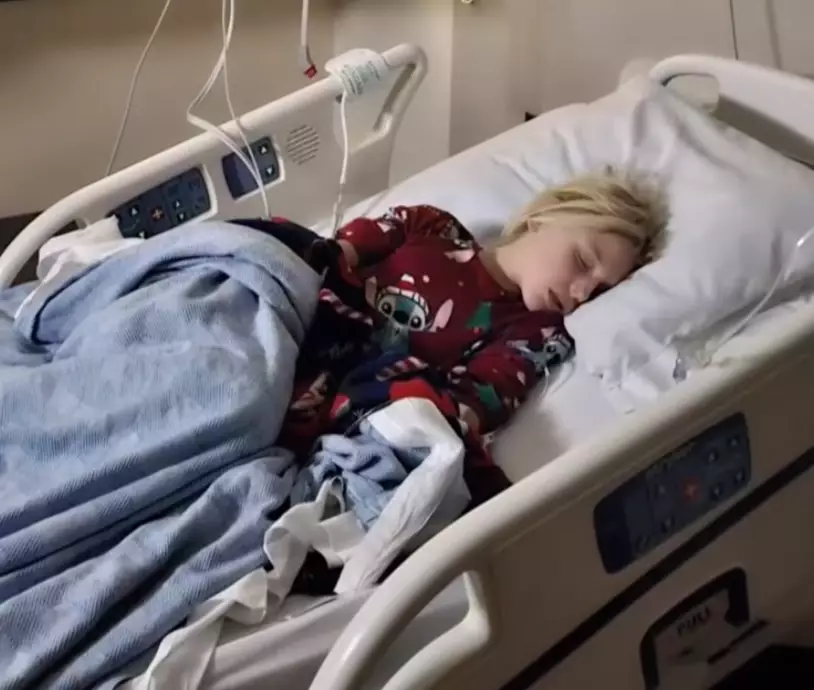
The young girl had administered 60 percent of the GLP-1 injector pen, leading to her passing out due to vomiting and dehydration from the overdose.
Her mother, Melissa, quickly contacted the poison control center once she realized Jessa had used the injector, a decision that likely saved her daughter’s life.
“I try not to think about the what if,” she stated. “God protected us from the worst, and I firmly believe that. I think it could have been a lot worse.”
Jessa was rushed to the emergency room, where she was placed on an IV, but after her symptoms subsided and she was discharged, her condition worsened.
“I should have never let them discharge her,” Melissa expressed to the outlet, describing how Jessa needed assistance to get to the bathroom due to her weakness.
Melissa further explained: “She was thirsty. That’s the only thing that she wanted to do was drink water, but then she would throw it up.”
The young girl mistakenly believed the GLP-1 would alleviate her stomach pain, thinking the medication helped her mother with similar issues. After the overdose, Jessa returned to the hospital as she had stopped urinating, indicating dehydration.
Medical professionals were concerned about potential kidney failure.
“She didn’t eat for six days straight,” Melissa added, describing how the family stayed by her side as she lay there, seemingly lifeless.
Fortunately, Jessa fully recovered and over a year later, she recounted the experience with a smile during an interview.
The incident left a lasting impact on Melissa, who immediately took steps to prevent recurrence by securing the medication in a locked box purchased the day of the incident.
Maryann Amirshahi, PharmD, MD, MPH, co-medical director at the National Capital Poison Center in Washington, DC, shared with Verywell Health that the common symptoms of a GLP-1 overdose include:
When uncertain, it’s crucial to contact poison control, and if someone is struggling to breathe or loses consciousness, calling 911 is imperative.