

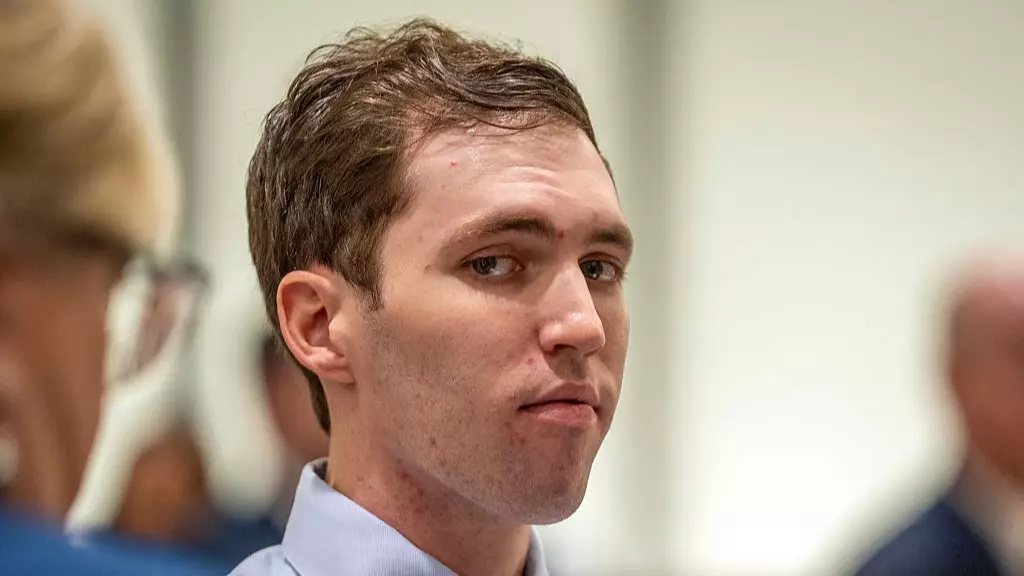
Today, Tyler Robinson, the accused in the case of Charlie Kirk’s murder, will appear in court as his defense team strives to have the prosecutors removed from the proceedings.
On September 10, Charlie Kirk, a well-known right-wing political activist, was tragically killed by a gunshot to the neck during a debate at Utah Valley University (UVU), which was attended by about 3,000 people. The incident has been widely circulated through online videos, drawing significant attention to Kirk’s outspoken views on gun violence and bringing his widow, Erika Kirk, into the public eye.
Following a 30-hour search, Tyler Robinson, aged 22, surrendered to the Washington County Sheriff’s Office. He now faces multiple charges, including aggravated murder, felony discharge of a firearm resulting in serious injury, and two counts of obstruction of justice related to moving a firearm and disposing of clothing. Robinson has not yet entered a plea.
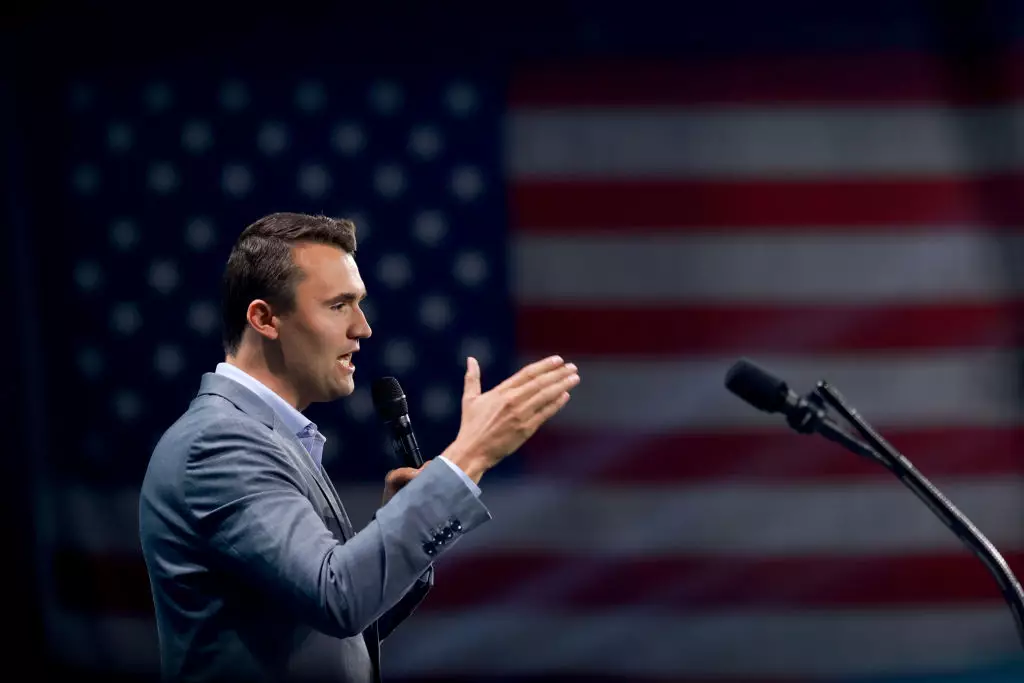
Robinson’s most recent court appearance was on January 16, where his defense argued for the prosecution’s removal due to an alleged conflict of interest. This conflict stems from the fact that one of the deputy prosecutor’s 18-year-old children was reportedly present at the event where Kirk was shot.
Cornell Law School describes conflicts of interest as potential ethical issues that can arise between parties with previous connections. “In law, a conflict of interest arises between an attorney and a client if the interests of the attorney, a different client, or a third-party conflict with the interests of the present client.”
Robinson’s defense has argued that the entire office of Utah County Attorney Jeffrey Gray should be removed, citing that ‘no effort was made to shield their prosecution of this case from his conflict,’ according to a motion to disqualify filed in December. They referenced Utah’s Code of Judicial Administration, which prohibits attorneys from participating in cases with ‘a concurrent conflict of interest.’
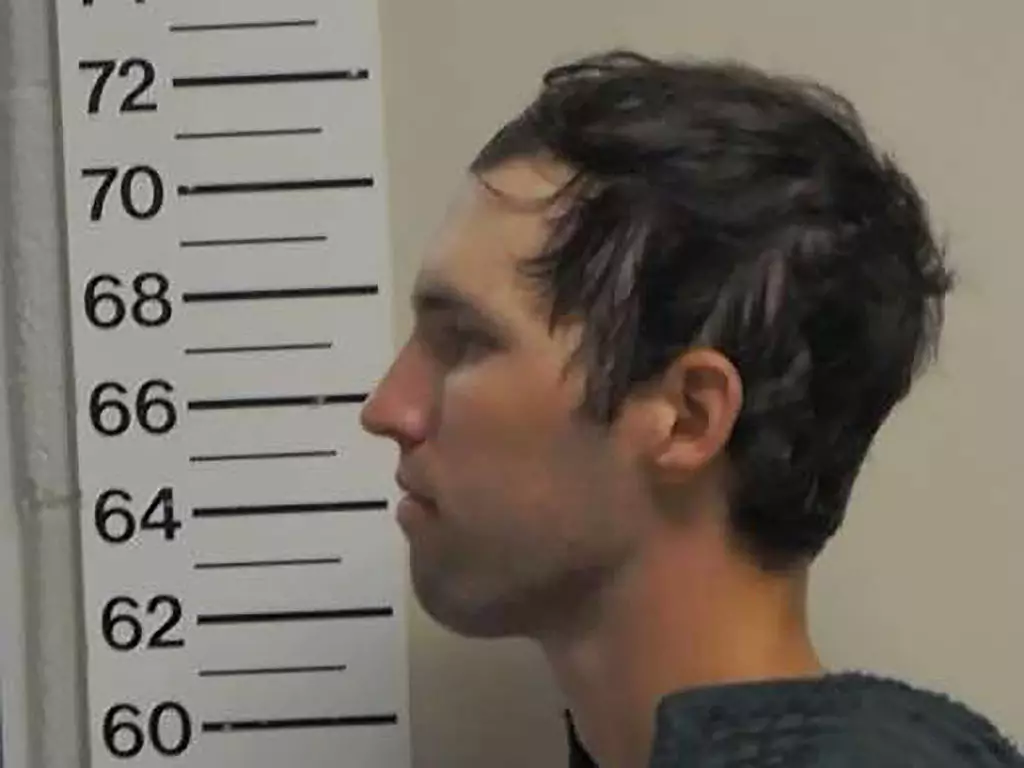
Despite this, County Attorney Gray’s team insists there is no conflict of interest, as the 18-year-old student did not witness the shooting or anyone with a gun, as indicated in court records. This individual will not be called as a witness since their understanding of the incident is based solely on hearsay.
The hearing is set to resume from where it concluded in January. Gray will complete his testimony, followed by testimonies from three additional witnesses: the prosecutor in question, his adult child, and a county attorney’s office investigator. Should the judge determine a conflict of interest exists, it is unlikely that the entire attorney’s office would be removed from the case.
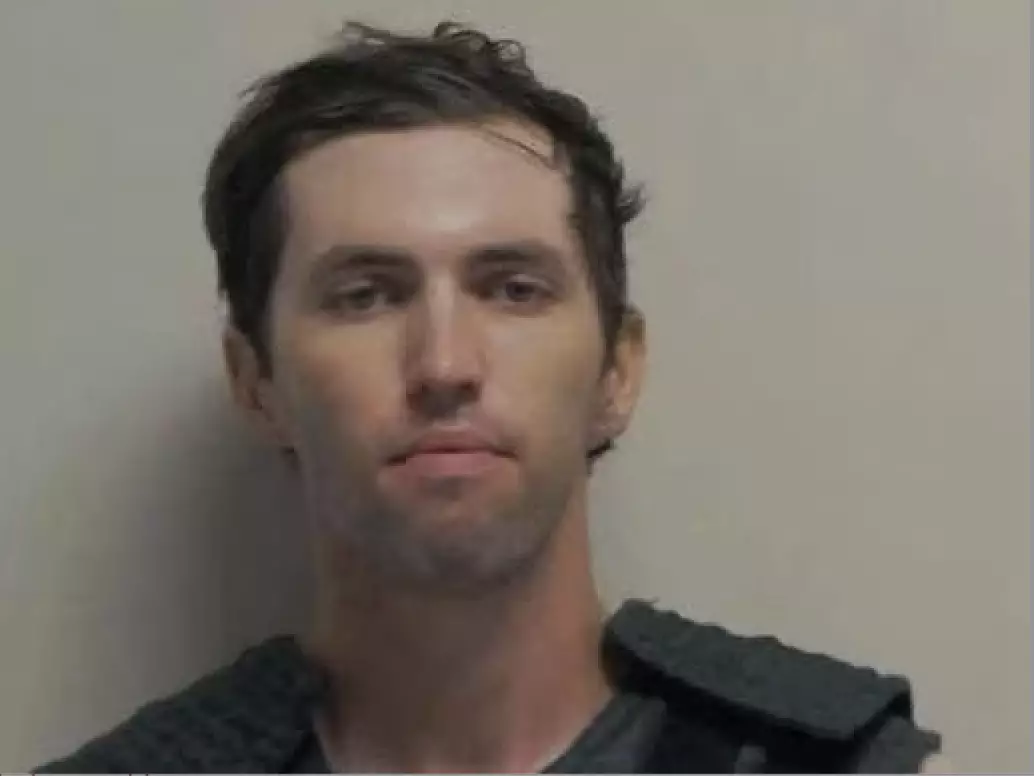
Paul Cassell, a criminal law professor at the University of Utah’s S.J. Quinney College of Law, explained that the more likely outcome would be the disqualification of an individual involved with the conflict, rather than the entire office. Disqualifying the entire office would have significant implications, as the county attorney is an elected official. “If you disqualify an entire office, you’re essentially invalidating the results of the election,” Cassell noted, adding that the likelihood of a judge agreeing there is a conflict of interest is ‘very, very low.’
Robinson’s arraignment will not occur until after his preliminary hearing, scheduled for May 18, which is expected to last three days. The prosecution is pursuing the death penalty, although Erika Kirk, Charlie’s widow, has publicly discussed the act of forgiveness. In an interview, Erika expressed her reluctance for Robinson to face the death penalty, stating, “I’ll be honest. I told our lawyer, I want the government to decide this. I do not want that man’s blood on my ledger. Because when I get to heaven, and Jesus is like, ‘Uh, [an] eye for an eye? Is that how we do it?’ And that keeps me from being in heaven, from being with Charlie?”