

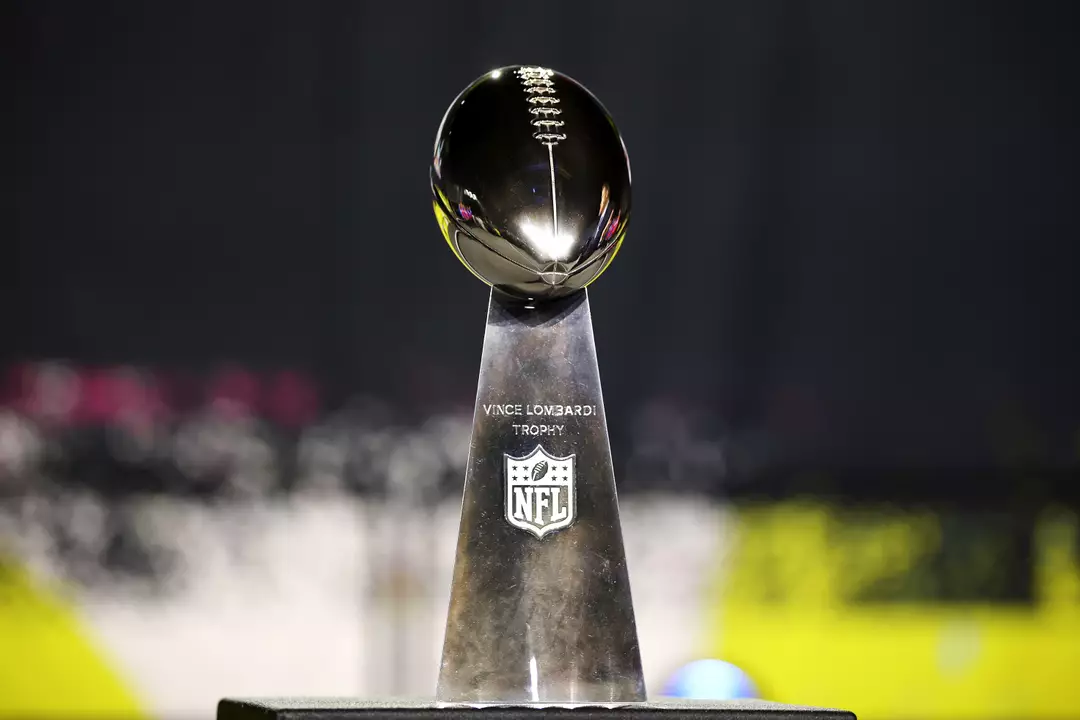
The anticipated cost for a Super Bowl ad in 2026 has been disclosed, as the highly viewed sporting event approaches.
The Super Bowl is a unique event where viewers are as excited for the commercials as they are for the game itself.
With traditional TV commercials becoming less impactful due to the prevalence of ad-skipping and streaming services, Super Bowl ads remain the most sought-after spots in U.S. Advertising.
The high-budget commercials air during game pauses, with this year’s game planned to take place at Levi’s Stadium in California on Sunday, February 8.
The matchup will feature the New England Patriots and the Seattle Seahawks, broadcasted on NBC along with several streaming platforms.
Some of the ads slated for the game have been released and feature top-tier celebrity appearances.
Adrien Brody, an Oscar-winning actor, will feature in a TurboTax commercial, while Sabrina Carpenter headlines an ad for Pringles.
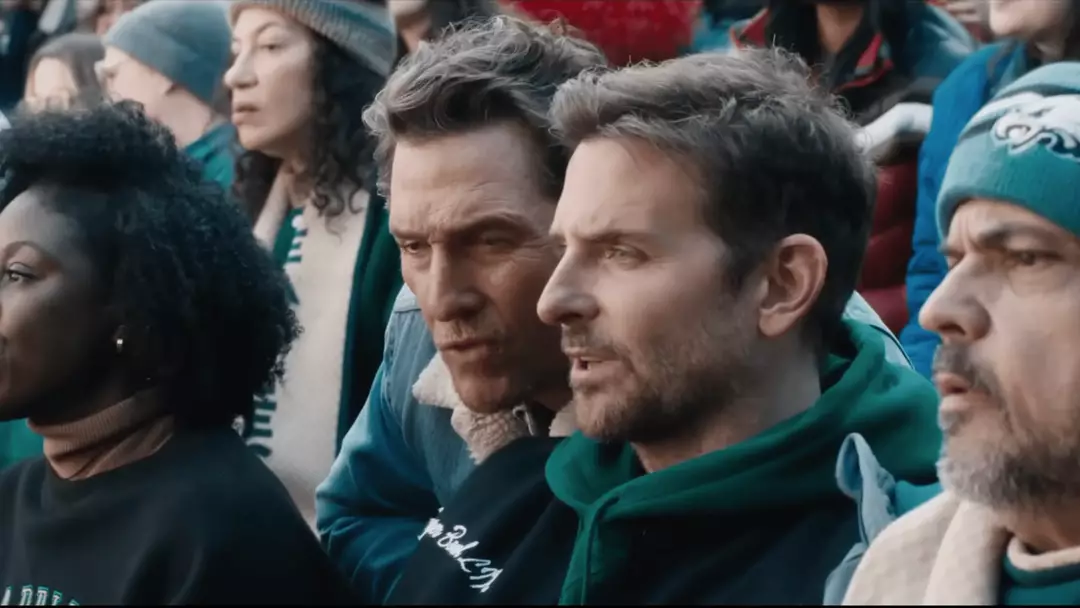
Bradley Cooper and Matthew McConaughey also share the screen in an Uber Eats advertisement.
Considering the Super Bowl’s magnitude, the high cost of ad slots is expected.
The excitement surrounding the game, along with the halftime show headlined by Bad Bunny, are among the reasons for the premium price of these ad slots.
Mike Marshall, NBCUniversal’s head of global advertising, noted that this year’s spots were sold for around $8 million, with some brands paying even more than $10 million.
However, there are specific regulations on how brands can use their slots.

Typically, commercials are restricted to 30 seconds in length, but Reddit made headlines last year with the shortest Super Bowl ad ever, only five seconds long, encouraging viewers to pause their screens to read it.
Peter Koeppel, founder of the marketing agency Koeppel Direct, said that a Super Bowl ad campaign might not yield immediate financial returns, but it can significantly enhance customer acquisition and brand visibility in a way unmatched by other advertising channels.

The key, he explained, is generating conversations about the commercials.
Koeppel emphasized: “For commercials to be effective long-term, they must be memorable. An ad that fails to resonate with viewers will not be financially rewarding.”