


A nurse has highlighted some indicators that your diet might contain an excessive amount of protein.
Protein is undoubtedly a crucial component of a well-rounded diet, but like many things, moderation is key. While protein plays a vital role, overconsumption can lead to health issues.
Despite the wide variety of specific or extreme diets available, maintaining a balanced diet with the appropriate ratios of protein, carbohydrates, and plenty of vegetables is still advisable.
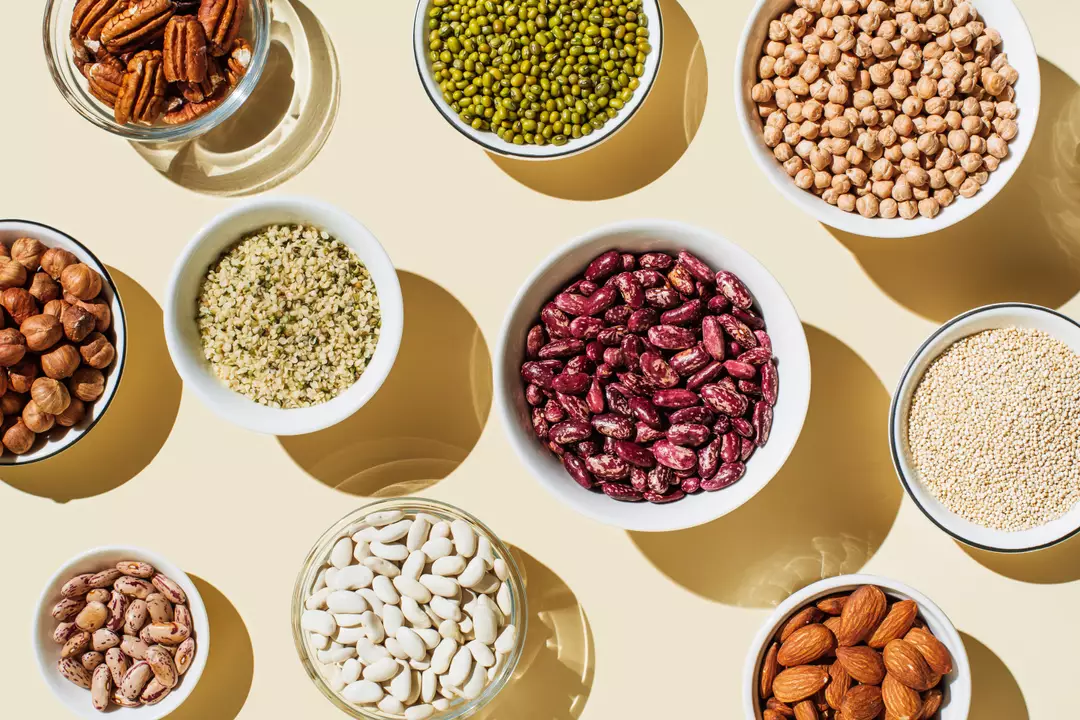
The choice of where to obtain your protein is yours, with excellent options including fish, beans, pulses, nuts, cheese, and meat.
At times, an increase in protein intake may be desirable, particularly if you’re aiming to build muscle at the gym.
Nurse Amy Isler has pointed out several signs indicating an excess of protein in your diet.
High protein intake can lead to increased urination as your kidneys work harder to process the protein.
If you follow a high-protein diet such as keto, Amy recommends ensuring adequate water intake.
On a keto diet, the body enters a state called ketosis, where it starts burning fat instead of glucose. This can result in breath that carries an acetone scent, similar to fruit or nail polish.
A high-protein diet may lead to insufficient fiber intake, affecting your gastrointestinal health, especially when relying on protein supplements like powders or bars.

Your source of protein can make a difference. While foods like fish, beans, pulses, and nuts are beneficial for heart health, overconsumption of red meat can raise the risk of heart disease.
Excessive protein intake can lead to the conversion of surplus protein into sugar, which is then stored as fat.
Consuming too much protein might also contribute to weight gain as you build muscle mass.
Pre-existing liver or kidney conditions can heighten your susceptibility to the negative impacts of excessive protein, since ammonia is a byproduct of protein metabolism. This is usually excreted in urine, producing a distinct smell, but poor kidney or liver function can cause ammonia buildup.