

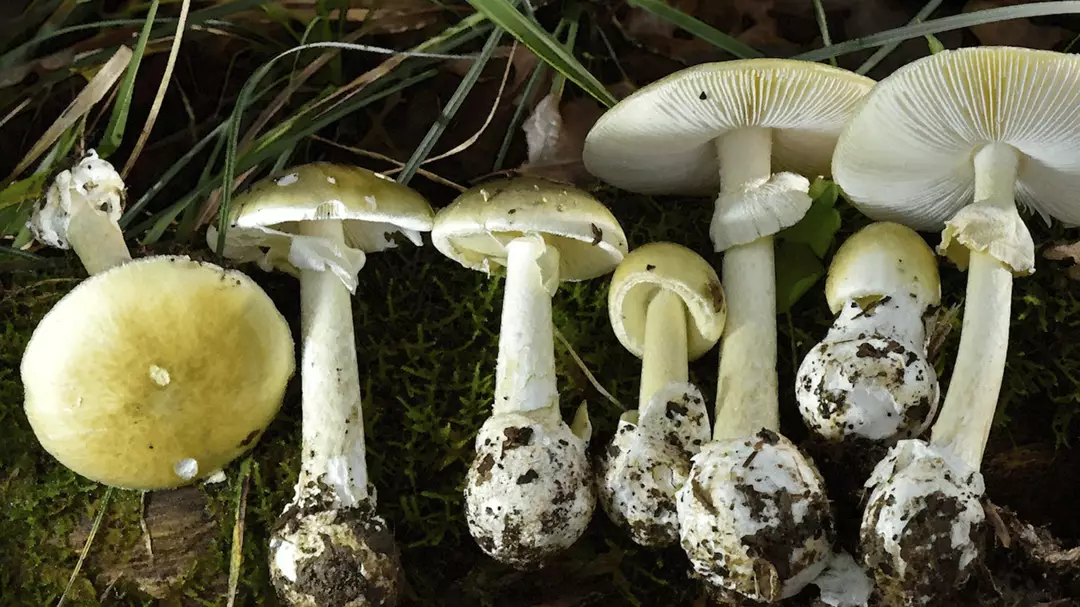
Four individuals have died, and three others required liver transplants after consuming death cap mushrooms in California.
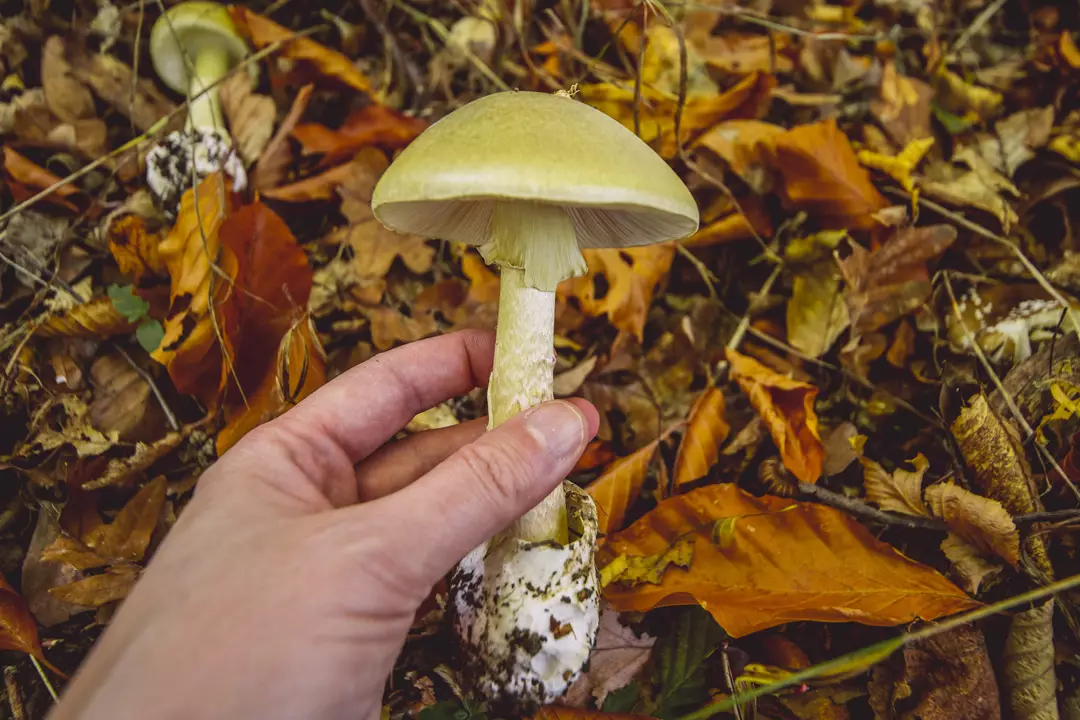
The death cap mushroom is notorious for causing severe gastrointestinal distress and often fatal liver damage. It bears a striking resemblance to some edible mushrooms, which can lead to unfortunate mix-ups.
Since November 18, the California Department of Public Health (CDPH) reports that more than three dozen people have been poisoned by this mushroom.
Those affected exhibited symptoms of acute liver injury, progressing to liver failure, which led to several patients being admitted to intensive care units for critical treatment.
The CDPH has noted a significant uptick in these cases, prompting them to issue a public warning to residents in the region.
Since November, 39 individuals in California have been poisoned, resulting in four fatalities. The CDPH stated: “California is experiencing an unprecedented outbreak of severe illness and deaths associated with people accidentally picking and eating Death Cap mushrooms.”
“This greatly exceeds the typical report of less than 5 cases of mushroom poisonings a year,” the department explained.
Nationally, US Poison Centers reported dealing with 2,315 mushroom exposures from September 2025 to January 2026, marking a 40 percent increase from the previous year.
Death cap mushrooms have been identified in local and national parks across Northern California and the Central Coast, with their prevalence rising due to substantial rainfall.
The CDPH advises that the safest approach is to avoid consuming wild mushrooms entirely and to steer clear of eating any that have been foraged by friends or family.
They also recommend supervising children while playing outdoors in areas where mushrooms grow, as most cases of poisoning occur in children under the age of 6.
Purchasing mushrooms from a reliable grocery store is encouraged as the safest option.
The health department indicated that many poison victims were speakers of Spanish, Mixteco, and Mandarin Chinese.
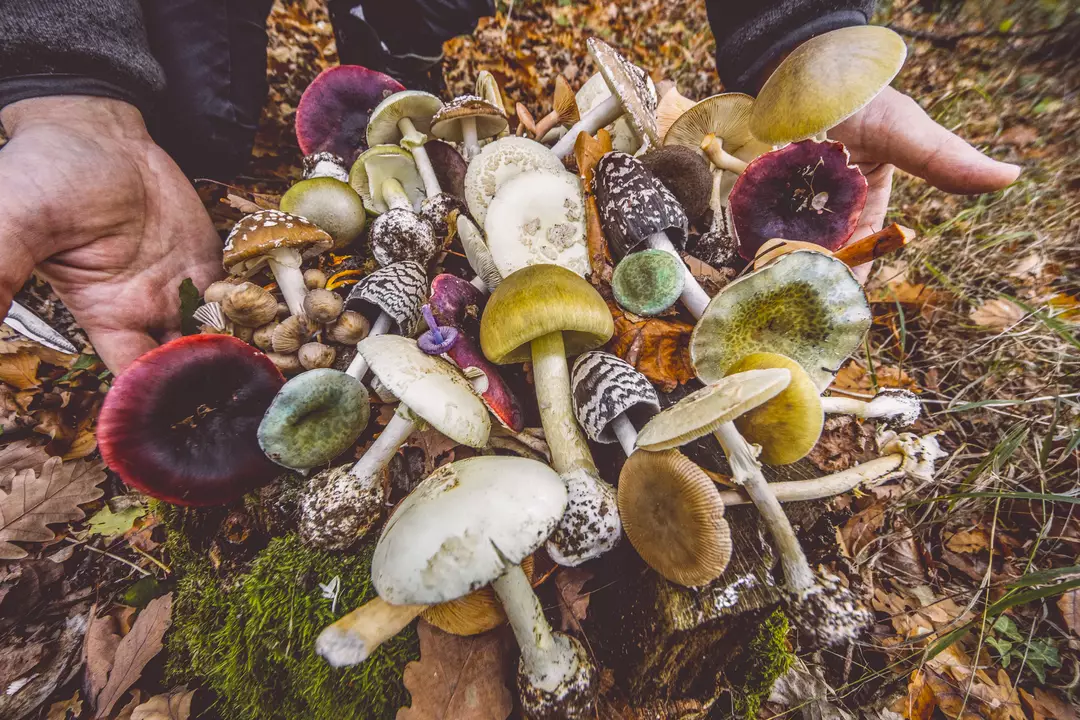
Some victims reported that the mushrooms bore a resemblance to safe, edible varieties found in Mexico, prompting the CDPH to emphasize: “Poisonous mushrooms can look and taste similar to safe mushrooms. Some may resemble mushrooms that you can buy in a grocery store. Additionally, newly arrived persons to California who are accustomed to foraging in their home country may mistake poisonous mushrooms in California for safe mushrooms foraged or cultivated in their native country. Foragers in California face great risk.”
The department has made efforts to translate its warnings about mushroom dangers into various languages, including Spanish, as a significant portion of those affected spoke Spanish as their primary language.
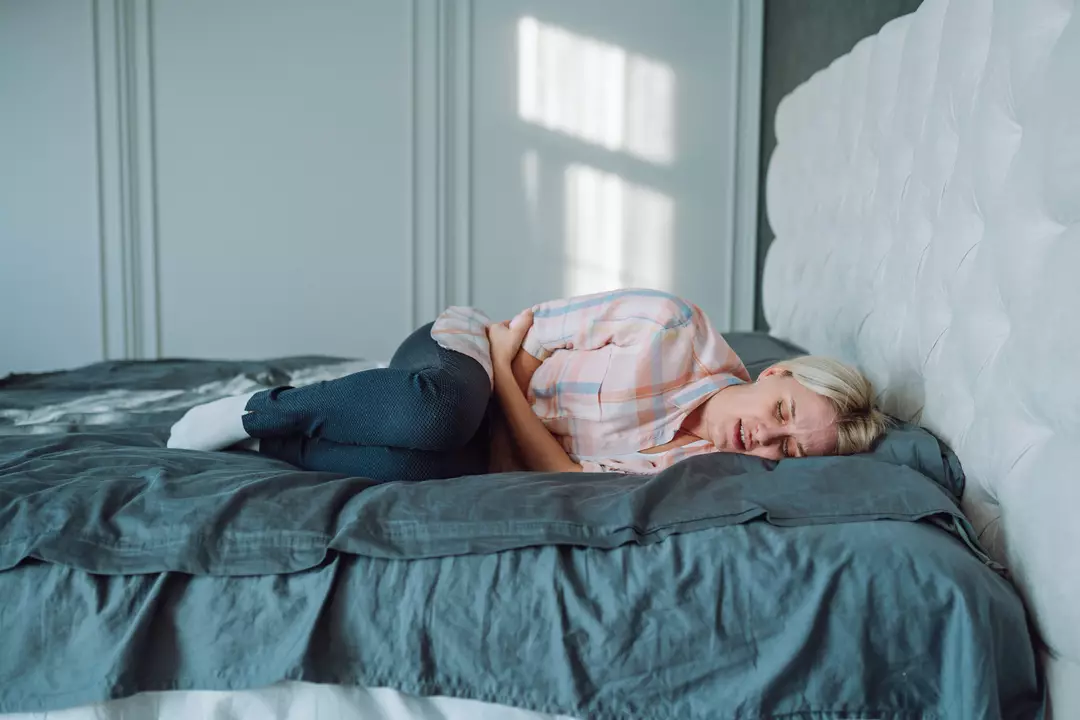
Symptoms of mushroom poisoning can manifest between six to 24 hours after ingestion, starting with stomach pain, cramps, diarrhea, nausea, vomiting, low blood pressure, fatigue, and confusion.
More severe consequences include liver and kidney damage, hallucinations, seizures, and potentially death.
For emergencies related to poisoning or inquiries, contact US Poison Control Centers at 1-800-222-1222 or visit PoisonHelp.org.