

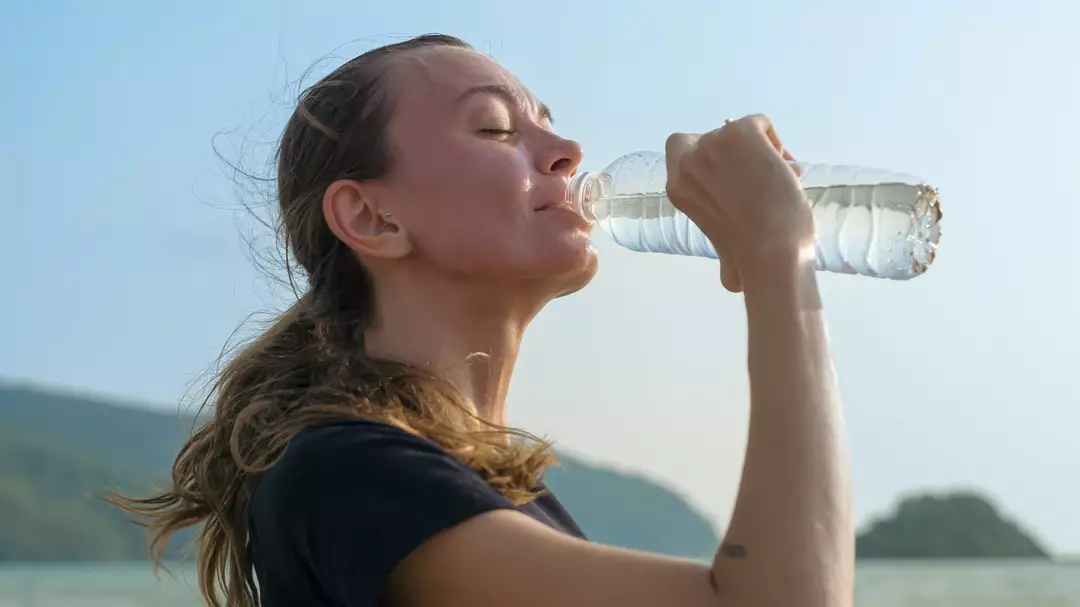
An expert has outlined the adverse effects of insufficient water intake on your body, which might make you reconsider your morning coffee in favor of a glass of water.
There is an optimal range for daily water consumption, which varies based on factors such as age.
For instance, children between the ages of four to eight should consume about 1.2 liters daily, whereas adults aged 60 and above should aim for 1.6 to 2 liters every day.
But what are the consequences if you don’t meet these hydration goals?
Dr. Nadira Awal, in a conversation with Metro Online, shed light on how your body responds when it doesn’t receive adequate hydration.
Dr. Awal pointed out that insufficient water intake can lead to reduced blood volume, resulting in ‘diminished blood flow to the brain’.
This often manifests as an unwanted headache.
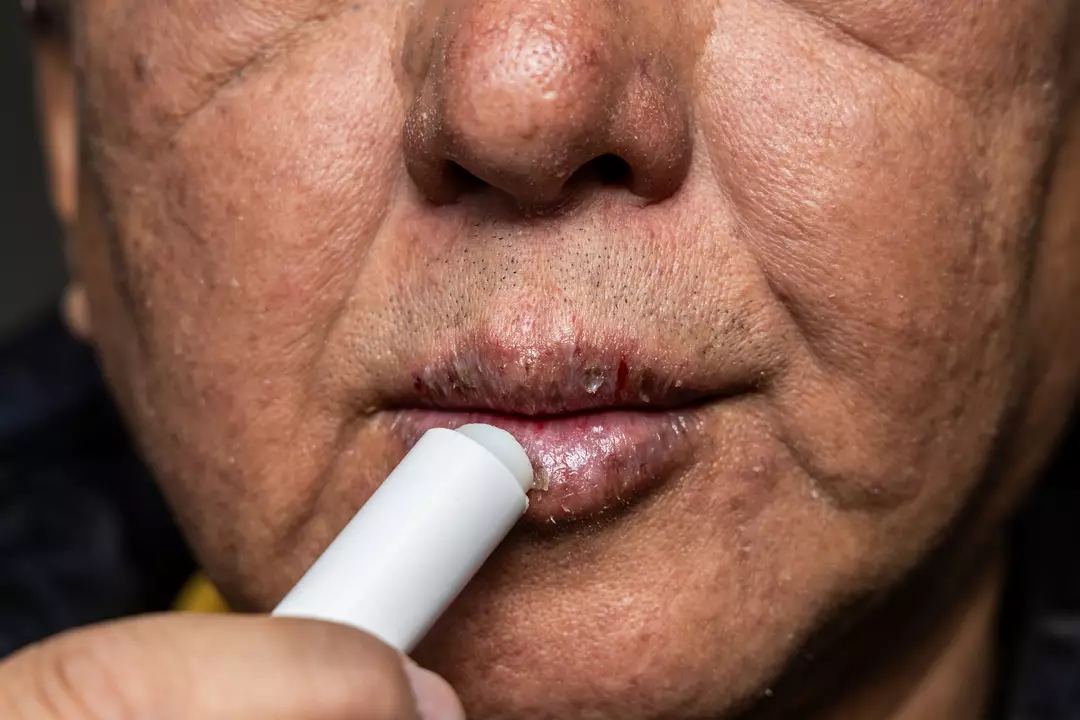
“As the body dehydrates, saliva production diminishes, causing the mouth to feel dry or sticky,” Dr. Awal noted, further explaining: “Lips may also become dry and chapped.”
Dehydration also affects the skin, making it feel ‘less plump and flexible’. A practical way to check for dehydration is the ‘pinch test’.
“The skin turgor test is a basic test in which you gently pinch and release the skin on the back of your hand,” the healthcare expert described.
“If the skin doesn’t soon return to its usual position and instead appears ‘tented’, it may be an indication of dehydration.”
Fatigue is a prominent indicator of dehydration. When hydration levels are inadequate, the body must work harder to ‘execute routine processes’, leading to fatigue and diminished energy levels.
If you’re feeling low on energy and it’s not related to lack of sleep, there’s a good possibility that increased water intake is necessary.
In severe situations, someone might faint due to a significant drop in blood pressure from dehydration, Dr. Awal cautioned.
She emphasized: “When these symptoms appear, it is critical to treat dehydration at once. In most circumstances, increasing fluid intake will treat mild to moderate dehydration.
“However, in severe situations or susceptible populations such as small children or the elderly, medical intervention may be required.”