

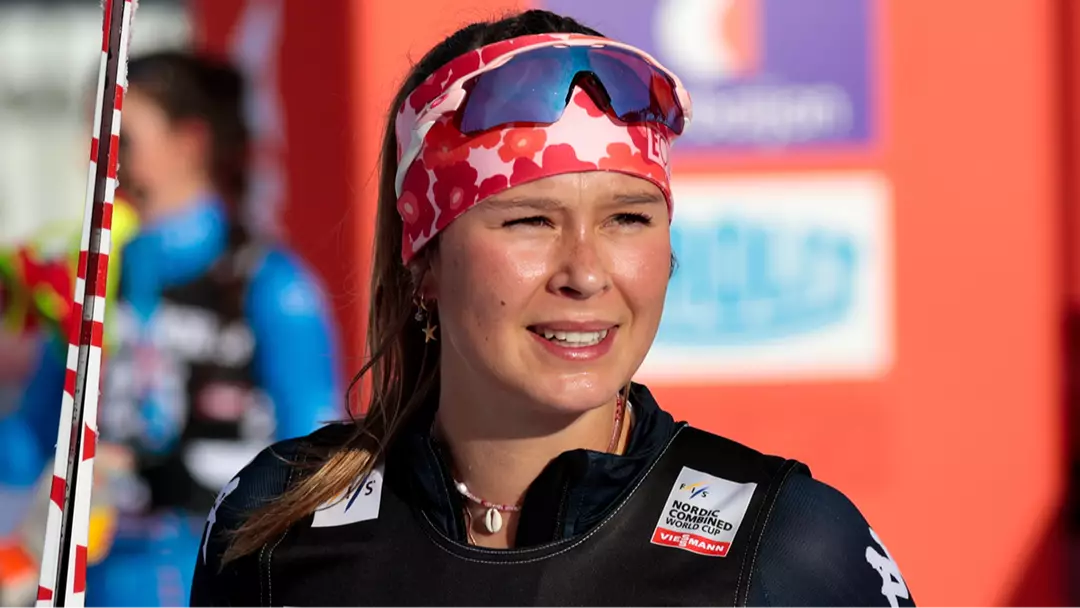
US athlete Annika Malacinski has shared her experience of dedicating ‘five years’ to a sport that still doesn’t allow women to compete in the Olympics.
If you’re a fan of the Winter Olympics, you might wonder about Nordic combined.
The sport’s first major competition took place in 1892 in Oslo. Nordic combined was included in the inaugural Winter Olympic Games held in France in 1924.
Throughout its history, the sport has upheld a significant rule – excluding women from competition. However, the women’s event did have its inaugural world championship in 2021.
Despite this, women are not expected to have their own event in the 2026 Winter Olympics. But what exactly is Nordic combined, and why are women not allowed to participate?
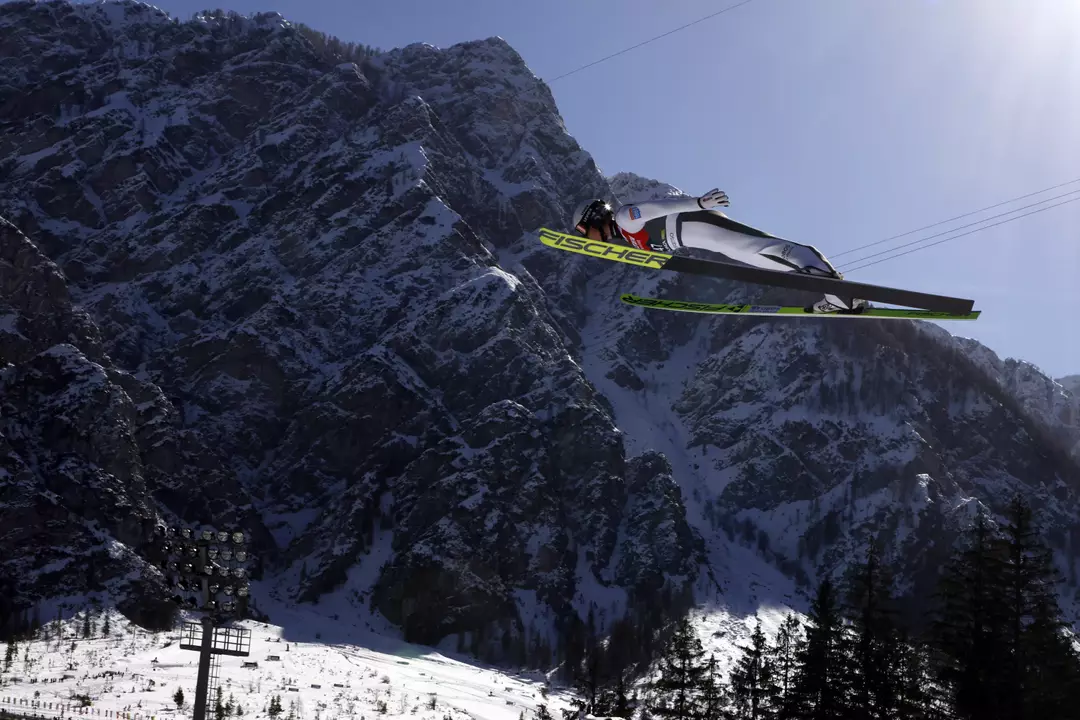
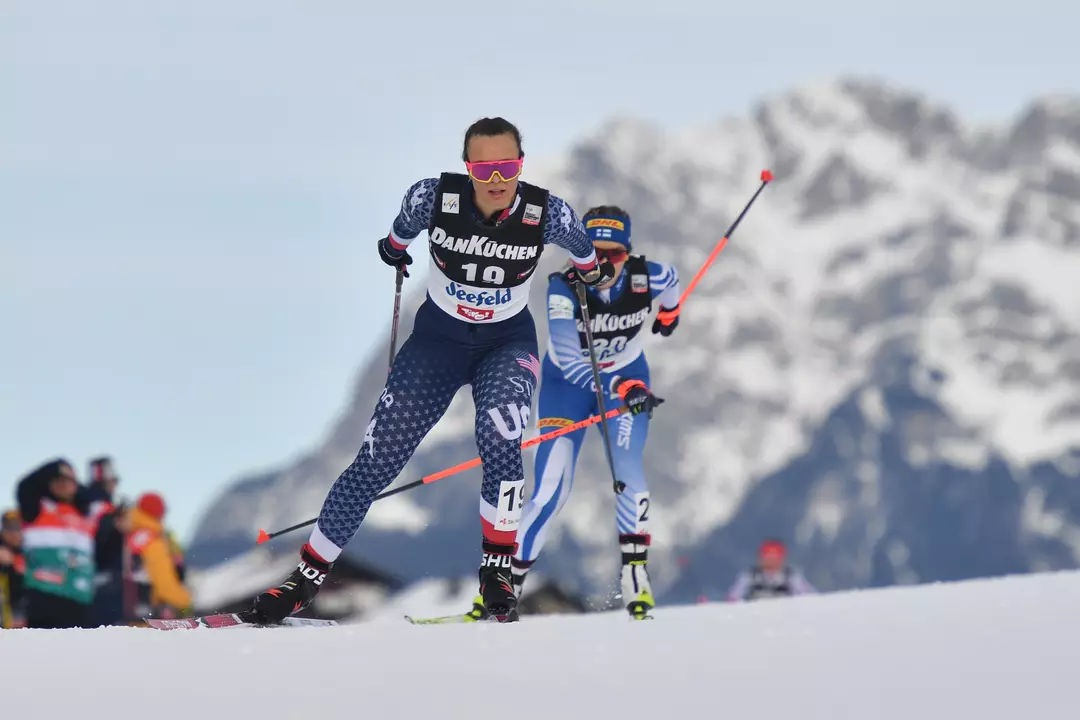
Nordic combined is a winter sport that merges cross-country skiing with ski jumping. Competitors start with a ski jump, followed by a 10km cross-country race later in the day.
The winner of the jump event begins the race with a zero-time deficit, while other competitors start later according to their jump scores.
The race winner is the first to cross the finish line.
Olympic events include the individual normal hill and 10km race, the individual large hill and 10km race, and the team sprint large hill and 2×7.5 race, but none feature women.
Currently, there is no standalone women’s Nordic Combined event at the Olympics. So why the exclusion?
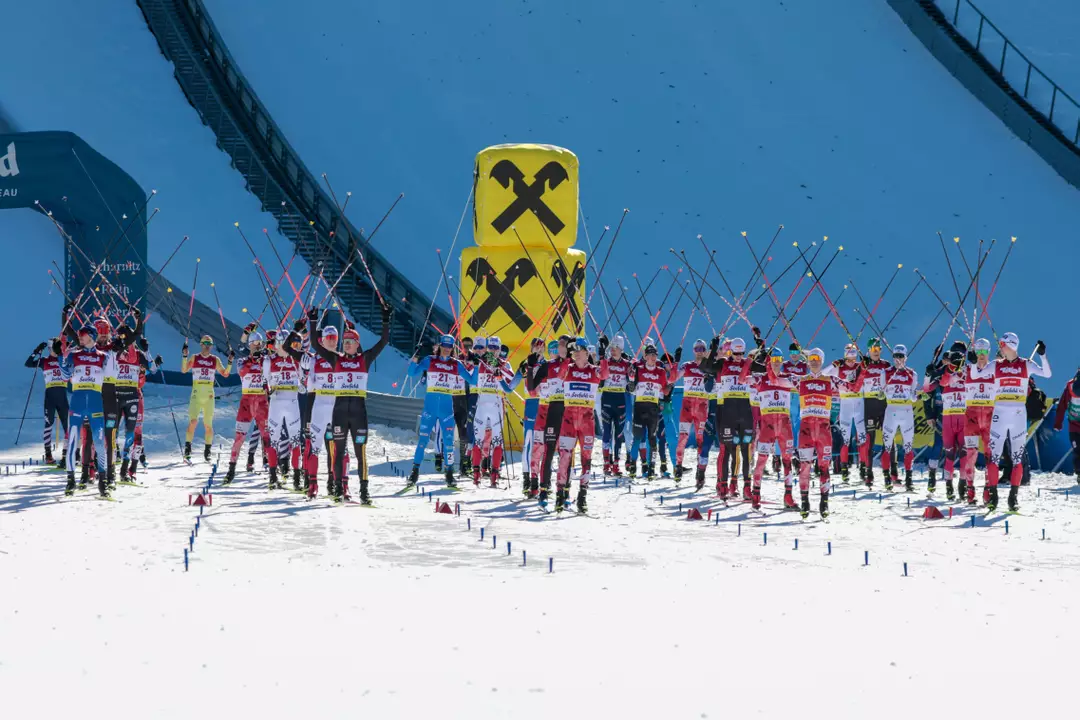
For the Milano Cortina d’Ampezzo 2026 Olympic Games, Nordic combined is the only sport excluding women from participation.
In 2022, the International Olympic Committee (IOC) opted against adding a women’s event to the skiing program, despite a women’s world championship the previous year.
According to reports from ESPN, the IOC cited the sport’s limited audience even in the men’s category and a lack of ‘diversity of countries’ participating as reasons for their decision.
This decision drew criticism, particularly in light of the IOC’s claim that “Milano Cortina 2026 set to become the most gender-balanced Olympic Winter Games in history.”
US athlete Annika Malacinski has voiced her criticism of this rule.
In an opinion piece for SELF, Malacinski discussed her dedication of ‘five years’ to her sport and her readiness to ‘rewrite history’.
Upon learning that women would not be included in Nordic combined at the upcoming games, she expressed her deep disappointment, crying ‘for eight hours straight’.
Despite numerous formal proposals for women’s inclusion in the Olympic sport, the discipline Malacinski has ‘trained for, sacrificed for,’ and ‘fought for’ still excludes her from competition.
She remarked: “The question has never been whether we’re capable of performing in the sport. It is whether we’re allowed to jump from the same hill and stand on the same stage as men..”
Malacinski highlighted the disparity in ‘fraction of the funding, media coverage and event opportunities’ between women’s and men’s sports, arguing that these differences affect development pathways, sponsorships, and visibility.
She urged viewers to understand the ‘heartbreak’ but also the ‘hope’ that women Nordic combined athletes hold for future Olympic inclusion, stating: “I’m not done fighting for that.”
In a statement, the IOC acknowledged the current challenges faced by Nordic Combined, both for men and women, noting that the sport will undergo ‘a full evaluation following the Olympic Winter Games Milano Cortina 2026’.
They added: “Following this evaluation, the IOC will take a decision on the inclusion of Nordic Combined for men and women in the programme of the Olympic Winter Games French Alps 2030.
“As women have not yet been part of the Olympic Nordic Combined programme, and as the men’s events have been under review, the decision was taken to retain the men’s competitions for one additional edition and to conduct a data-driven assessment after Milano Cortina 2026.”