

Following the tragic death of a woman from the Nipah virus, health authorities have issued new advisories for those traveling to affected regions.
The woman, believed to have contracted the virus with a mortality rate ranging from 40 to 75 percent, was in Bangladesh.
Nipah virus, known for causing brain inflammation, typically spreads from bats to humans, often through contaminated palm sap. Since December, India has reported two confirmed cases, leading to 200 individuals being quarantined.
The World Health Organization (WHO) reported that the woman, aged between 40 and 50, developed symptoms on January 21.
“On 3 February 2026, the International Health Regulations National Focal Point (IHR NFP) for Bangladesh notified WHO of one confirmed case of Nipah virus (NiV) infection in Rajshahi Division,” the global health body announced in a statement.
Her symptoms included fever, headache, muscle cramps, loss of appetite, followed by hypersalivation, disorientation, and seizures.
Tragically, she became unresponsive on January 27 and died the following day after being admitted to a hospital, where a Nipah virus test returned positive.
According to WHO, the woman had reportedly consumed raw date palm sap multiple times before her demise.
Since 2001, Nipah virus outbreaks have occurred almost annually in Bangladesh, the agency noted.
Last month, WHO chief Tedros Adhanom Ghebreyesus described Nipah as a ‘rare but serious disease’ and said: “Authorities have increased disease surveillance and testing, implemented prevention and control measures in health care settings, and are keeping the public informed about how to protect themselves.”
Preventive measures in affected countries include boiling date palm juice and thoroughly washing and peeling fruits before consumption.
Fruits with bat bite marks should be discarded.
Regarding human-to-human transmission, the guidance states: “Close unprotected physical contact with NiV-infected people should be avoided. Regular hand washing should be carried out after caring for or visiting sick people along other preventive measures.
“People experiencing Nipah-like symptoms should be referred to a health facility, as early supportive care is key in the absence of treatment. Contact tracing and monitoring are also key to mitigate human-to-human transmission.”
In total, 35 individuals who had contact with the woman were observed, with no additional cases found.
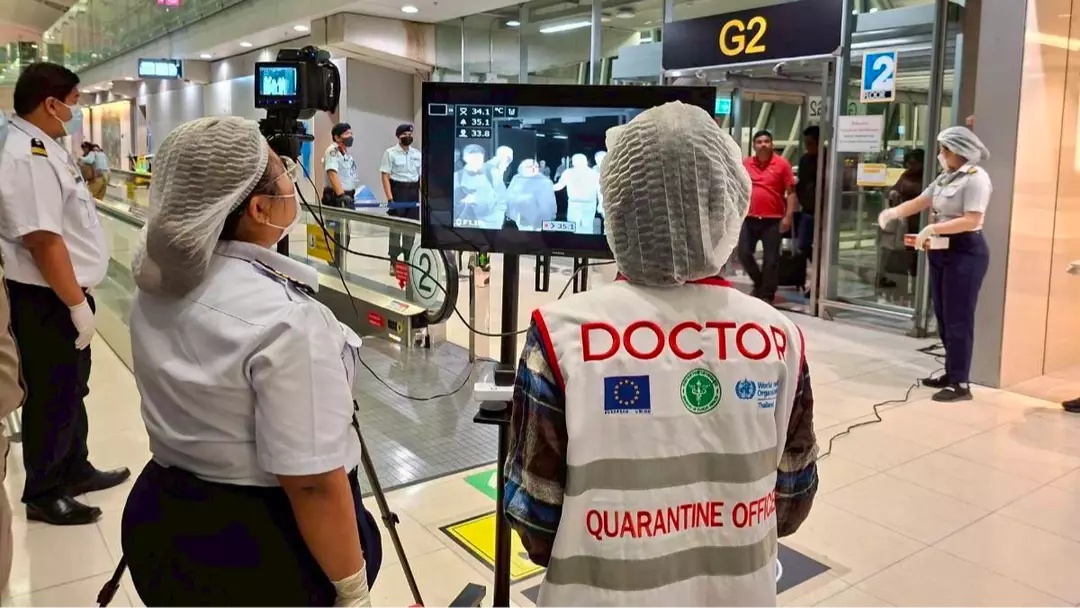
WHO indicated the risk of international spread is low, yet Thailand and Malaysia have implemented airport screenings similar to those used during Covid to ensure safety.