


Reports have emerged that a UK government-funded board has guided hospital staff not to deter marriages between first cousins, even though such unions can pose health risks for offspring.
The National Child Mortality Database (NCMD) has allegedly informed NHS staff involved in child death reviews that it is ‘unacceptable to discourage close relative marriage in a blanket way’.
Medical professionals are instead encouraged to direct first cousin couples to genetic counselors and suggest they ‘consider arranging future marriages outside of the family’.
“Action at community level may help people to understand and act on [our] advice; but this is only acceptable if information is balanced, non-stigmatising and non-directive,” the document stated.
The NHS monitoring board, funded by the government, emphasized that the risk of having a child with a genetic disorder is only ‘slightly increased’ for first cousin couples.
This is not the first instance of such guidance being reported.

Last year, a document released on NHS England’s Genomics Education Programme website noted that first cousin marriages provide ‘stronger extended family support systems and economic advantages’.
In January, it was reported that midwives were allegedly provided with training materials that suggested not only should they not discourage these marriages but also highlight ‘potential benefits’.
The training document indicated that close relationship marriages are often misunderstood, claiming the ‘associated genetic risks [to children] have been exaggerated’ and that ’85 to 90 percent of cousin couples do not have affected children’.
However, a BBC report from last year presented data suggesting the risks might be higher than previously thought.
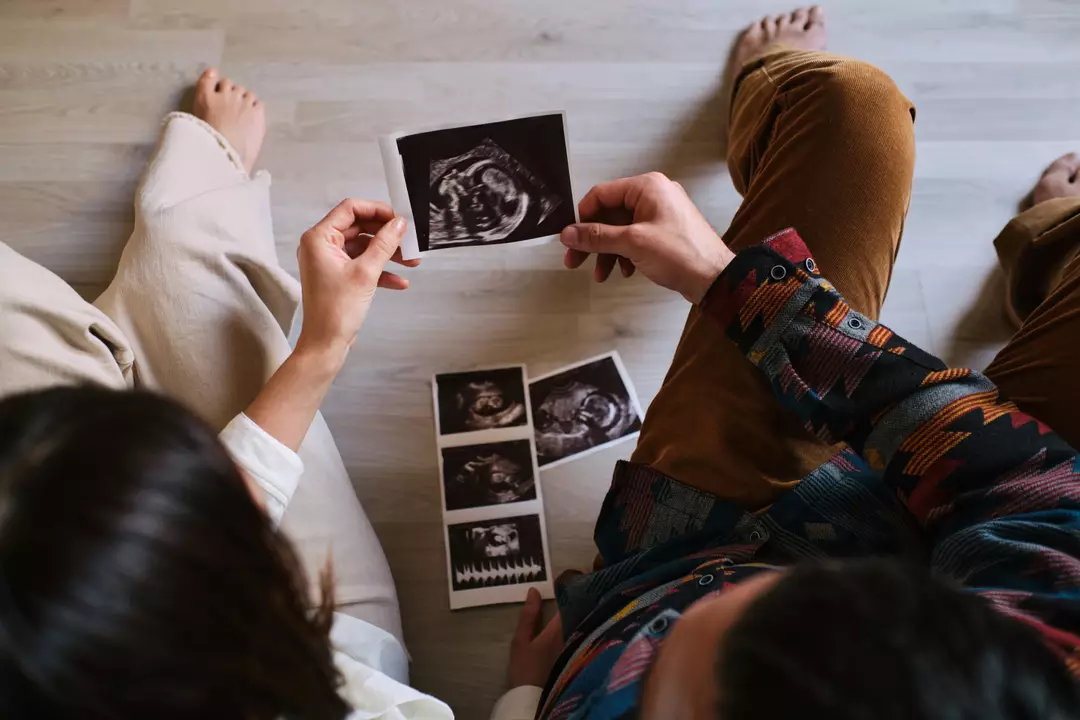
The study indicated that children born from first cousin unions have a higher likelihood of experiencing speech and language difficulties, as well as developmental challenges.
There is also a three percent greater chance of such children inheriting a recessive disorder compared to children of unrelated parents.
In 2024, Richard Holden, then a backbench MP, proposed banning first cousin marriages.
He described the practice as ‘damaging and oppressive’ and criticized the guidance for turning ‘basic public health into public harm’.
Holden said: “First cousin marriage carries far higher genetic risk, as well as damaging individual liberty and societal cohesion.”
Regarding the latest guidance, the NHS informed The Times that it is ‘not official NHS guidance’.
A representative from the National Child Mortality Database reiterated that they ‘do not instruct the NHS or its staff on practice’.
They mentioned that the guidance, initially released in 2023, is now outdated, and new guidance is being crafted on this topic.
The NCMD spokesperson concluded: “The purpose of the National Child Mortality Database is to collect data on deaths and share our findings to improve and save children’s lives.
“We do not instruct the NHS or its staff on practice, except where we either a) make recommendations for professionals to help reduce mortality in children; or b) inform those professionals who have a statutory responsibility to review child deaths of how best to submit information to our database.”
The outlet has contacted the NHS for comment.