

An AI specialist has issued a serious warning regarding the significant impact that technology will have on white-collar employment over the next year.
Recent advancements in artificial intelligence have prompted businesses to integrate it into various aspects of their operations. This shift has led to job redundancies as companies aim to leverage the new technology for potential cost savings.
Numerous prominent figures have expressed concerns about AI. Both Stephen Hawking and Bill Gates have issued warnings, while individuals like Elon Musk are actively incorporating AI into their businesses.
There is growing concern among the public that more jobs and industries may soon be at risk due to automation. So far, we have only witnessed the beginning of these changes.
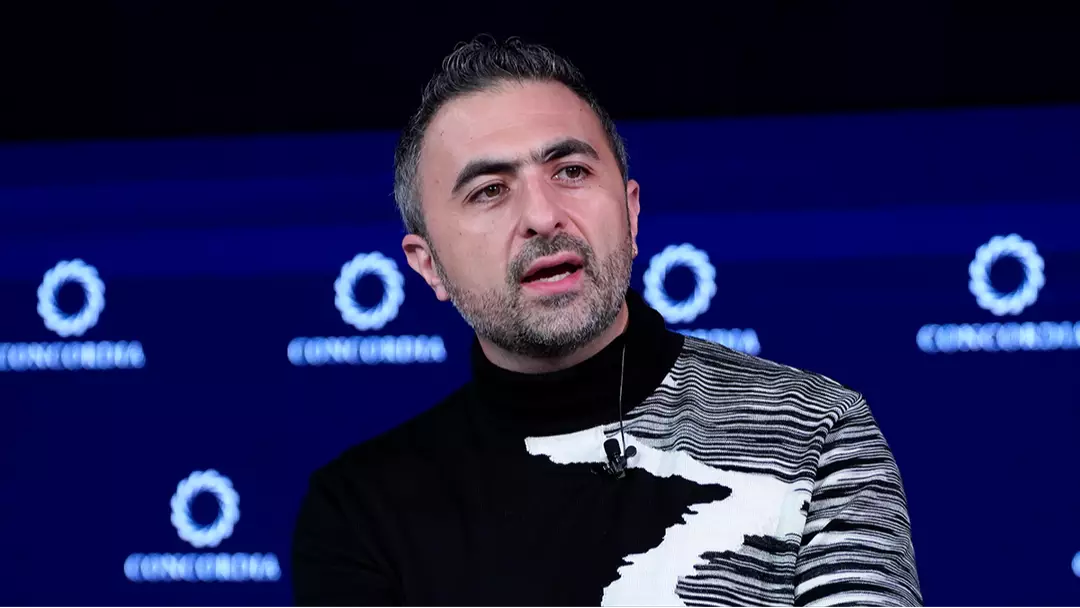
Mustafa Suleyman, CEO of Microsoft AI, is one individual who anticipates significant changes in human jobs soon. He predicts that AI will achieve ‘human-level performance’ in white-collar sectors, such as banking, finance, risk management, internal audit, insurance, and accountancy.
Suleyman foresees more tasks within these sectors becoming automated due to the widespread adoption of AI in workplaces. In his interview with the Financial Times, he provided a concerning forecast that most white-collar tasks may soon be driven by AI.
“I think that we’re going to have a human-level performance on most, if not all, professional tasks,” he stated. “So white-collar work, where you’re sitting down at a computer, either being a lawyer or an accountant or a project manager or a marketing person — most of those tasks will be fully automated by an AI within the next 12 to 18 months.”
The shift towards AI is happening rapidly. In software engineering, many employees are already utilizing “AI-assisted coding for the vast majority of their code production.”
Suleyman pointed out: “It’s a quite different relationship to technology, and that’s happened in the last six months.”

This warning coincides with predictions from other AI specialists who suggest that, despite the benefits AI offers for daily life improvements, it may lead to massive job losses. A recent study identified 44 occupations most likely to be automated, following Bill Gates’ predictions about the three fields he believes will be affected first. These include roles such as software developers, private investigators, and sales managers, along with compliance officers, mechanical engineers, and lawyers.
Bill Gates has also shared his views on which jobs might withstand AI advancements for the time being, highlighting coders, energy experts, and biologists as least at risk.
In contrast, data and administration roles, customer service positions, and assembly line jobs might be among the first to encounter the challenges posed by this transformative technology.