

Today, many across the United States are celebrating one of the country’s most cherished federal holidays: President’s Day, which falls on Monday, February 16.
This holiday, observed on the third Monday of February, is primarily intended to honor the birth of President George Washington.
The extended weekend provides an opportunity for families to enjoy a short trip or spend quality time together, with some participating in city parades or taking advantage of sales events.
While commonly referred to as President’s Day, the holiday was originally created to commemorate Washington’s birthday and is officially named after him.
In 1879, Washington’s Birthday was designated as a federal holiday for government offices in Washington, D.C. By 1885, it had been recognized nationwide.
It ranks among the earliest federal holidays in the United States, alongside Independence Day.
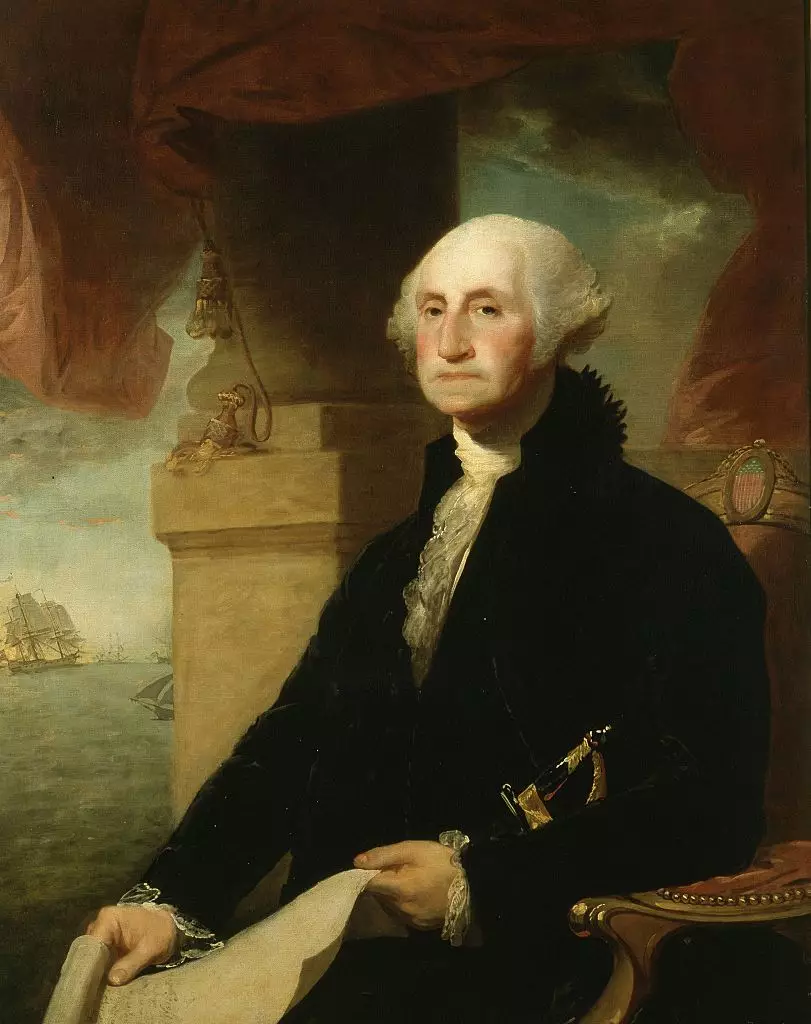
According to section 6103(a) in Title 5 of the US code, the holiday is formally named Washington’s Birthday.
This remains the case even though the holiday rarely aligns with his actual birthday, February 22.
Lindsay Chervinsky, the executive director of the George Washington Presidential Library at Mount Vernon, provided insights to TIME about the holiday’s name and its historical context.
“Americans, prior to the revolution, celebrated the King’s birthday quite regularly, and they started to transition to celebrating Washington’s birthday about halfway through the war,” she said. “By 1778, states and localities were celebrating Washington’s birthday, largely because it was common practice to have a sort of a birthday celebration, and he was a good stand-in.”
In 1971, the United States implemented the Uniform Monday Holiday Act, which shifted several holidays to Mondays, creating extended weekends for workers.
As a result, Washington’s Birthday moved to the third Monday in February, never coinciding with February 22 but boosting travel and retail activity.
This shift also contributed to the popularization of the name Presidents’ Day, especially for marketing purposes.
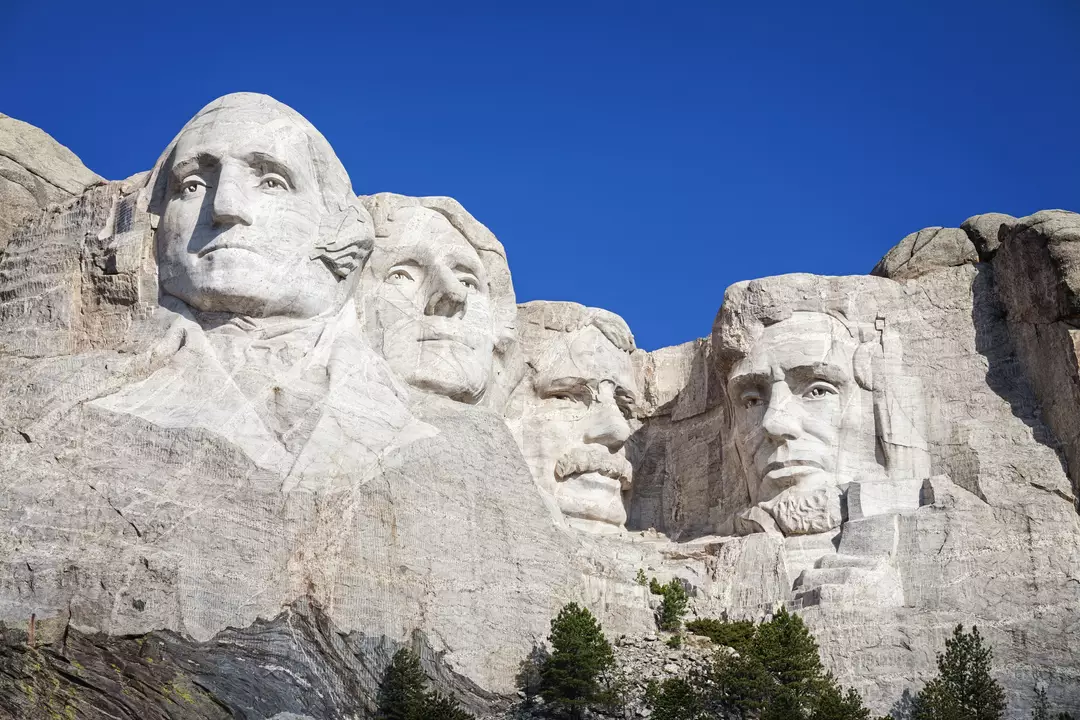
The holiday is now more commonly seen as a day to honor all U.S. Presidents, rather than solely focusing on Washington.
Washington’s Birthday was the first federal holiday dedicated to an individual’s birthdate, with the only other being Martin Luther King Jr. Day, honoring the civil-rights leader born on January 15.
Martin Luther King Jr. Day is observed on the third Monday in January, closer to King’s actual birthday than Washington’s federal holiday.
The United States observes 11 federal holidays annually, including New Year’s Day on January 1, Memorial Day on the last Monday in May, Juneteenth on June 19, Independence Day on July 4, and Labor Day on the first Monday in September.
The list also includes Columbus Day on the second Monday in October, Veterans’ Day on November 11, Thanksgiving on the fourth Thursday in November, and Christmas on December 25.
Additionally, every four years, the country observes an extra federal holiday when a president is inaugurated on Inauguration Day.