

An ancient Chinese practice can significantly impact blood pressure, offering a beneficial alternative to traditional exercises like brisk walking.
The practice is an eight-step sequence called Baduanjin. It requires no special equipment and can be completed in just 10 to 15 minutes. Scientists have found that Baduanjin is just as effective for health improvement as brisk walking.
Baduanjin involves a series of coordinated movements paired with deep breathing, which aims to enhance physical, mental, and respiratory well-being.
You can view how it’s performed in the video below.
A recent study published in the Journal of the American College of Cardiology (JACC) involved 216 participants who had blood pressure readings ranging from 130 to 139 mm Hg, categorizing them within type one hypertension.
This level of blood pressure is above normal and elevated but below stage two, which typically necessitates medication for management.
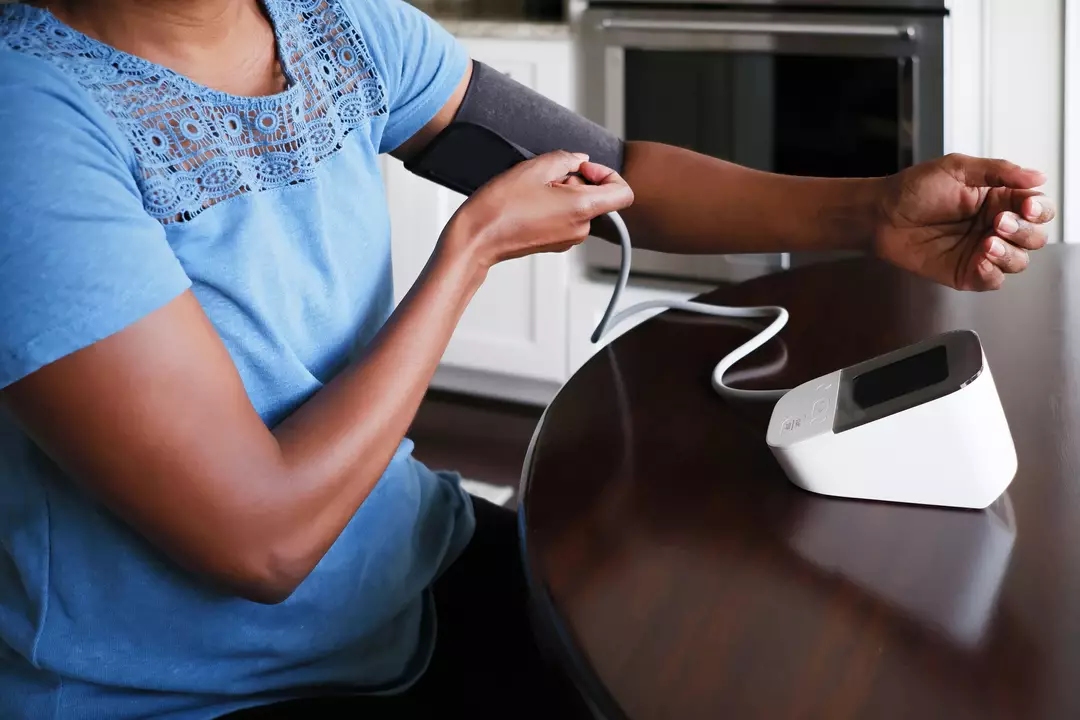
Researchers monitored participants aged 40 and older across seven different communities, tracking changes in their 24-hour systolic blood pressure at the study’s onset, then at 12 weeks and again at 52 weeks.
The participants were divided into three groups: one practising Baduanjin, another engaging in brisk walking, and the last performing self-directed exercises independently.
Individuals who practiced Baduanjin five days a week experienced a reduction in their 24-hour systolic blood pressure by approximately 3 mm Hg. Their in-office blood pressure readings also decreased by about 5 mm Hg at both the three-month and one-year checkpoints.
This improvement level is comparable to what some first-line blood pressure medications achieve.
After a year, the effectiveness and safety of Baduanjin were on par with brisk walking.
Notably, the blood pressure benefits persisted without ongoing monitoring, a challenge many lifestyle programs face.
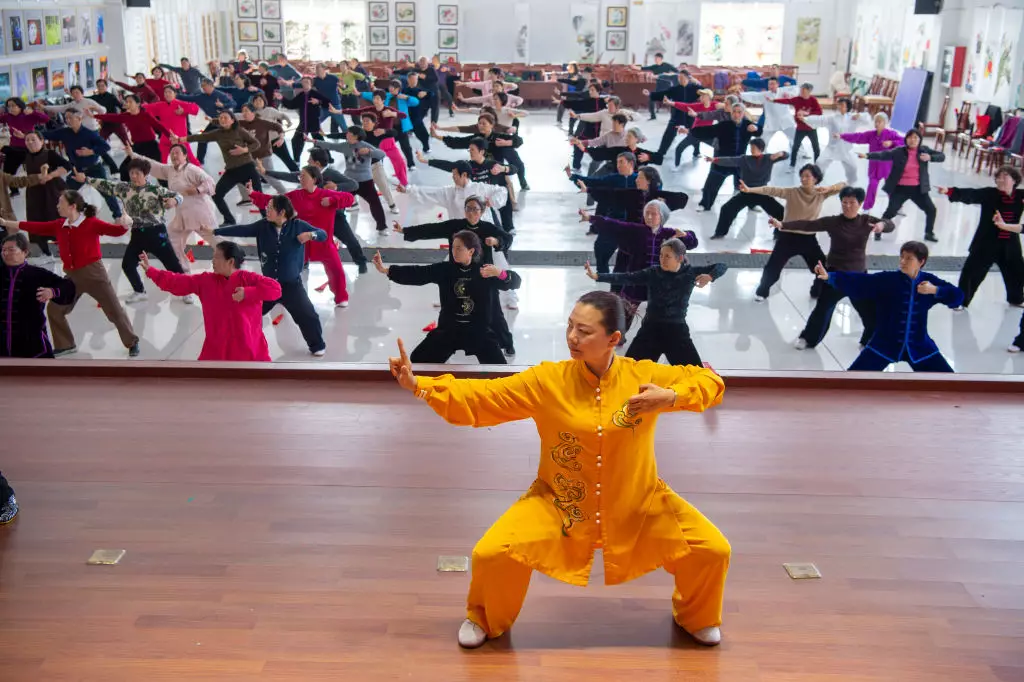
“Baduanjin has been practised in China for over 800 years, and this study demonstrates how ancient, accessible, low-cost approaches can be validated through high-quality randomized research,” said Harlan M. Krumholz, MD, FACC, Editor-in-Chief of JACC and the Harold H. Hines, Jr Professor at the Yale School of Medicine.
“The blood pressure effect size is similar to that seen in landmark drug trials, but achieved without medication, cost or side effects. This makes it highly scalable for community-based prevention, including in resource-limited settings.”
Regularly practicing Baduanjin could also help reduce the risk of heart disease, as high blood pressure is a significant contributing factor.
The latest statistics from the American Heart Association journal indicate that heart disease continues to be the leading cause of death in the US. Cardiovascular diseases, including heart disease and stroke, claim more American lives annually than cancer and accidents combined.
Jing Li, MD, PhD, senior author of the study and director at the Department of Preventive Medicine, National Center for Cardiovascular Diseases in Beijing, China, concluded: “Given its simplicity, safety and ease at which one can maintain long-term adherence, Baduanjin can be implemented as an effective, accessible and scalable lifestyle intervention for individuals trying to reduce their blood pressure.”