


Whether it’s a cigarette after a couple of drinks, a quick puff outside a pub garden, or that mate who insists they only smoke when the weather’s nice, plenty of people see themselves as ‘social smokers’ — but even an occasional cigarette can still impact your body.
As smoking rates continue to drop across the UK, more people feel removed from the stereotype of someone who smokes every day. It’s now pretty common to hear someone describe themselves as basically a non-smoker, even if they still reach for a lighter now and again. But medical experts say that “low-level” smoking isn’t as harmless as it’s often made out to be.
And while some doctors have recently been sharing advice on issues like male infertility, another has explained what’s happening inside the body after just one cigarette — and it may challenge the idea that “just one” doesn’t matter.

Dr Suzanne Wylie, a GP and medical adviser at IQdoctor, spoke to underline that the body reacts in much the same way regardless of whether someone smokes daily or only from time to time, explaining: how ‘the body does not distinguish between a daily smoker and someone who smokes intermittently’.
She said: “Each exposure to tobacco smoke delivers nicotine, carbon monoxide, tar and a wide range of toxic chemicals that have immediate and cumulative effects. Research has shown that the cardiovascular system reacts almost immediately to tobacco smoke — even one cigarette.’
Dr Wylie noted that although heavy smoking carries much higher overall danger, the process starts straight away — with effects that ‘begin with the very first cigarette.’
She went on to say:”‘If someone were to smoke a single cigarette, the immediate effects on the body would include a transient rise in heart rate and blood pressure, constriction of blood vessels, and a temporary reduction in oxygen delivery due to carbon monoxide exposure.”
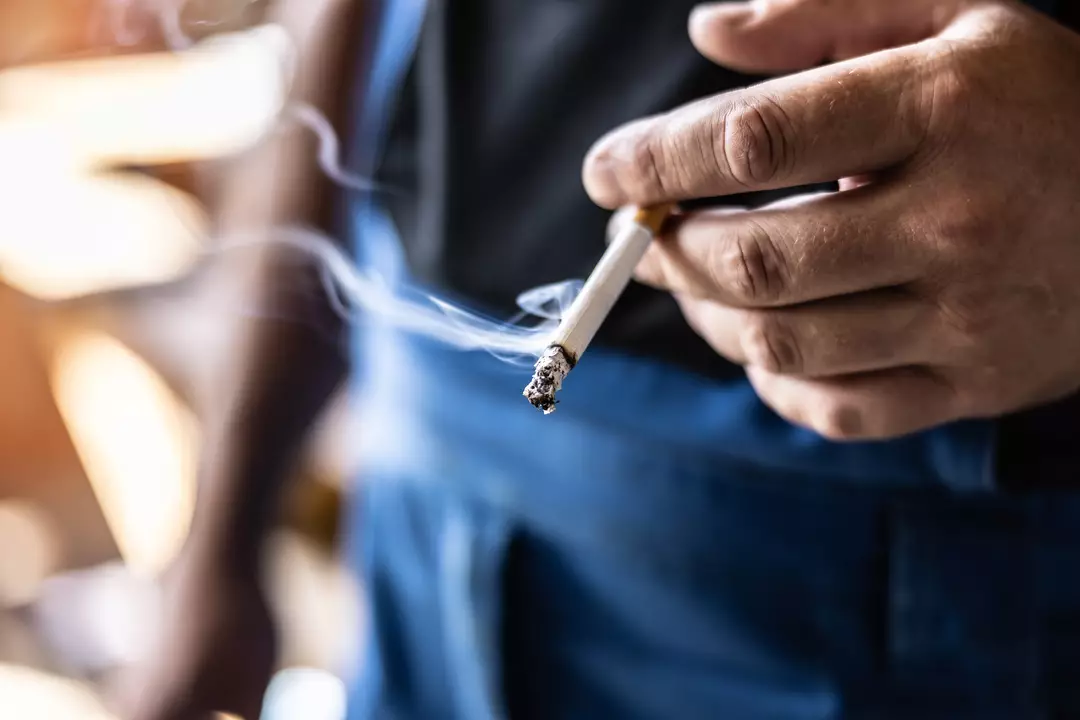
She also addressed the risks that can build even when smoking is infrequent, particularly over time: ”Even low-level smoking increases the risk of cancers of the lung, mouth, throat and oesophagus, and when combined with alcohol in social settings, the carcinogenic effects are amplified”
That said, she stressed there is context. She explained that ‘these changes are short-lived in a healthy person and the body will largely recover within hours to days — so one isolated cigarette is extremely unlikely to cause permanent measurable damage in an otherwise well individual. The cardiovascular system begins to improve within days to weeks of stopping.’
Even so, Dr Wylie suggested the wider concern is the doorway it can open. She cautioned that ‘there is no safe threshold.’ She also explained: ‘Even though the absolute risk from a single event is very small, one exposure triggers inflammatory changes within the vascular lining and oxidative stress at a cellular level.’
In the end, her focus is less on a one-off moment and more on what it can turn into. As she put it: “Risk is not binary, and what concerns us clinically is not so much the one off cigarette, but the behavioural trajectory…‘Repeated “just one” scenarios can gradually shift into a pattern of intermittent or regular smoking, and it is that sustained exposure over years that meaningfully alters long term health outcomes.’