

Warning: This article contains discussion of after-death processes which some readers may find distressing.
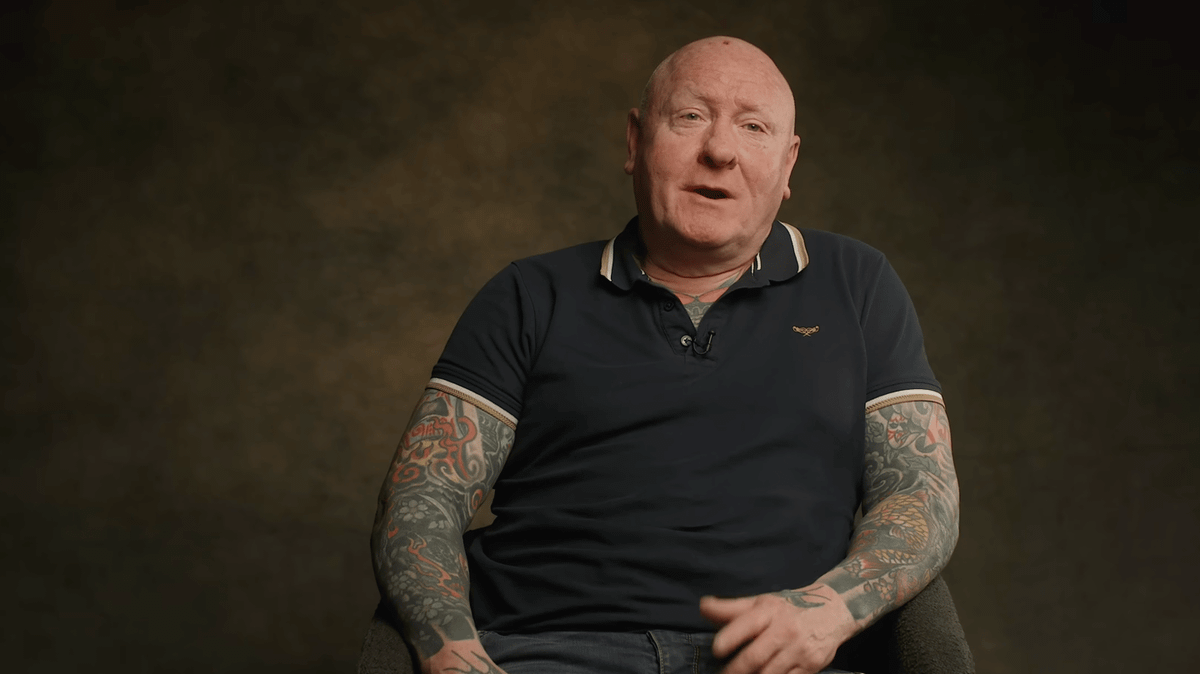
An embalmer and postmortem reconstruction specialist has spoken candidly about what embalming involves, as well as how he feels about what should happen to his own body after he dies.
After a death, families can choose from several options for laying someone to rest, including burial and cremation, as well as alternatives such as natural burial, human composting, and aquamation.
Before any final arrangements are carried out, some people also opt for a procedure known as embalming.
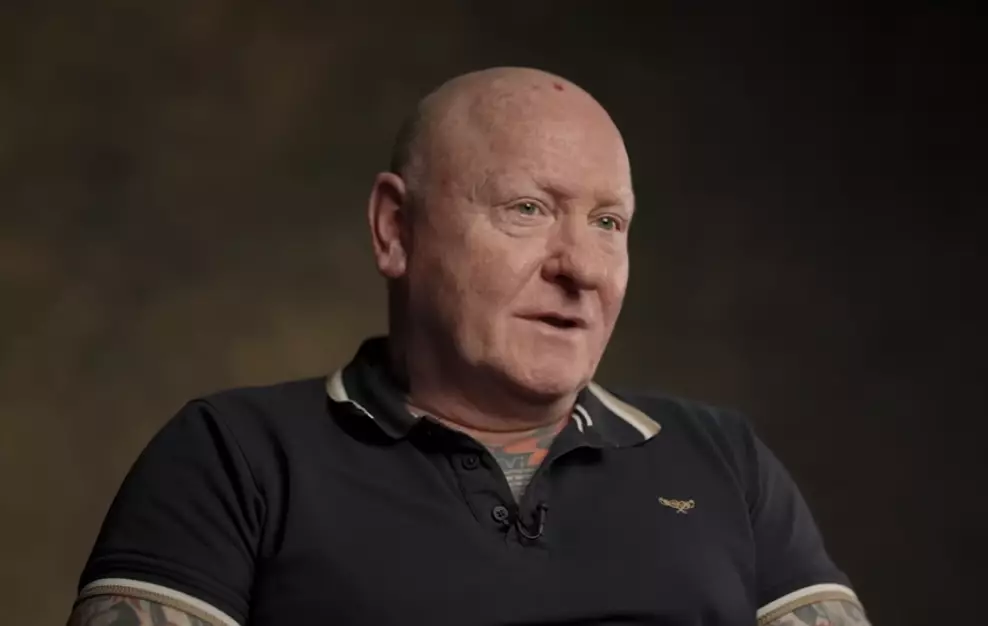
Martin Jeffrey has spent more than three decades working with the deceased, and he has since shared more about his profession, how he entered the field, and the surprisingly hands-off approach he’d prefer for his own end-of-life arrangements.
Embalming is usually carried out in a funeral home before the person is placed in the chapel of rest ahead of the service.
Co-Op Funeral Care describes embalming as a method in which a body is “preserved using preservatives to slow down the effects of natural deterioration”.
In practical terms, the process involves replacing blood with preservative fluids, and it generally takes around two to four hours.
For some families, embalming can be helpful because it may allow the person to look more peaceful, and it can sometimes reduce the visible effects of illness or trauma—something that may support a sense of closure.
It’s not a legal requirement in most cases, though embalming may be necessary if the person needs to be taken abroad for a funeral.
Speaking during an interview Stories, Martin said his introduction to embalming came after assisting his employer with a case involving a body that needed to be transported back from Ireland.

After helping to make the person “presentable from viewing”, he decided to pursue embalming as his career focus.
Martin continued: “I think the fears of death and the uncertainties were replaced by sort of a competence of doing the job.
“And I swapped it all for treating people with dignity and making sure they get treated well and solving the problems that we face with dead bodies.”
While he approaches his work with precision and care, Martin said he has “genuinely” “never really thought about” what he’d want done with his own body when he dies.
Rather than planning his own arrangements in detail, he’s content for his wife to make the decisions.
He continued: “When I die, I die. And what funeral directors I go to, that’ll be up to my wife. It’s just not something that really bothers me.
“I’m not going to worry about it. It could be tomorrow, it could be 20 years, you know? So for me, it’s not worth thinking about and worrying about, cause it’ll happen when it’s gonna happen.”
If you have experienced a bereavement and would like to speak with someone in confidence, contact GrieveWell on (734) 975-0238, or email [email protected].