

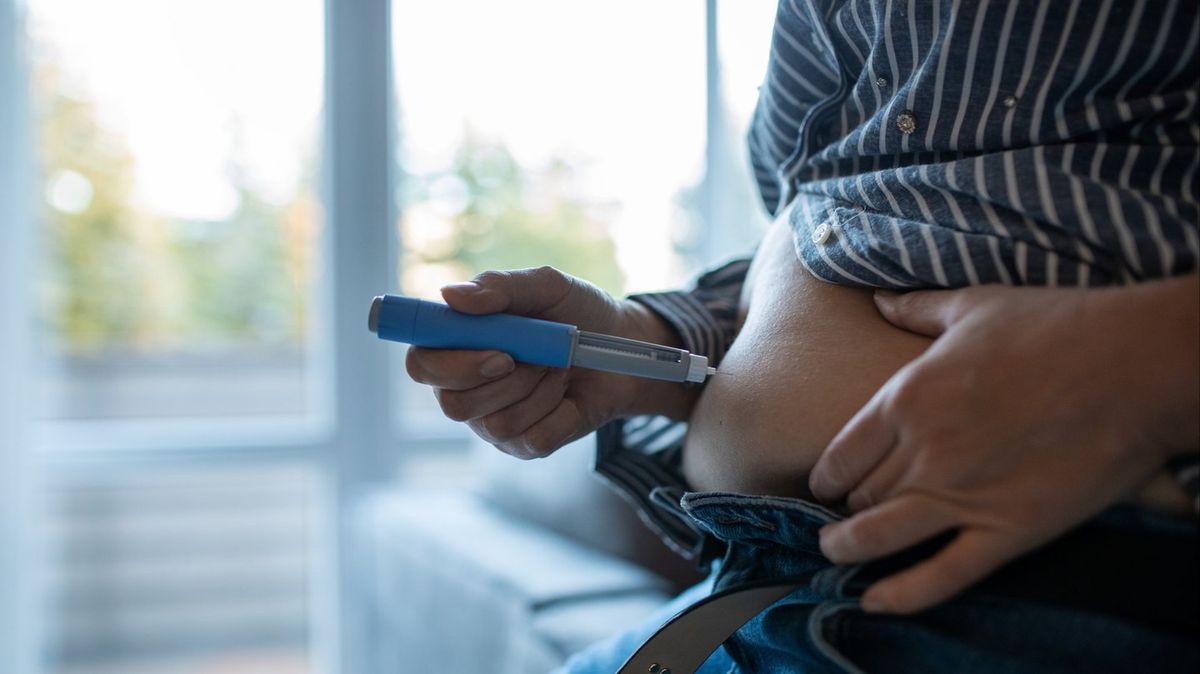
A dietician has outlined what separates dieting while using a GLP-1 injection from trying to lose weight through more traditional methods.
From Mounjaro to Ozempic, weight-loss medications have become a popular option for people hoping to drop pounds. But with concerns about possible side effects, plenty still choose a more conventional route—tightening up their diet and committing to regular exercise.
Whichever approach you take to feel ready for summer, pairing movement with a balanced eating pattern remains key.
Zoe Griffiths, Registered Dietitian and VP of Behavioural Medicine at Numan, has shared the main differences between eating well on a GLP-1 treatment and dieting without medication.
She explained: “The basic principles apply to both people using weight loss medication and those relying on diet and exercise alone. These are eating a balanced diet (whole foods, high in protein and fibre, and limited processed food), eating regular meals, staying hydrated, and strength training to preserve lean muscle. However, using GLP-1s is different enough for a more tailored approach.”

One key adjustment for GLP-1 users, she says, is steering clear of large meals, which can worsen nausea, reflux, and bloating. Instead, a pattern of smaller portions eaten more frequently may be easier to tolerate.
Griffiths continued: “Nutrient deficiencies can also become a real risk whilst using weight loss medication because appetite is significantly reduced. That’s why people on GLP-1 based treatments need to be more intentional about hitting protein and micronutrient targets.
“Higher protein intake is important during weight loss because without it, the risk of losing excessive muscle mass increases. This has downstream impacts on health, strength and long term weight loss maintenance.”
Because overall calorie intake often drops significantly with these jabs, she also stresses the importance of still getting enough vitamins and minerals across the day through food choices.
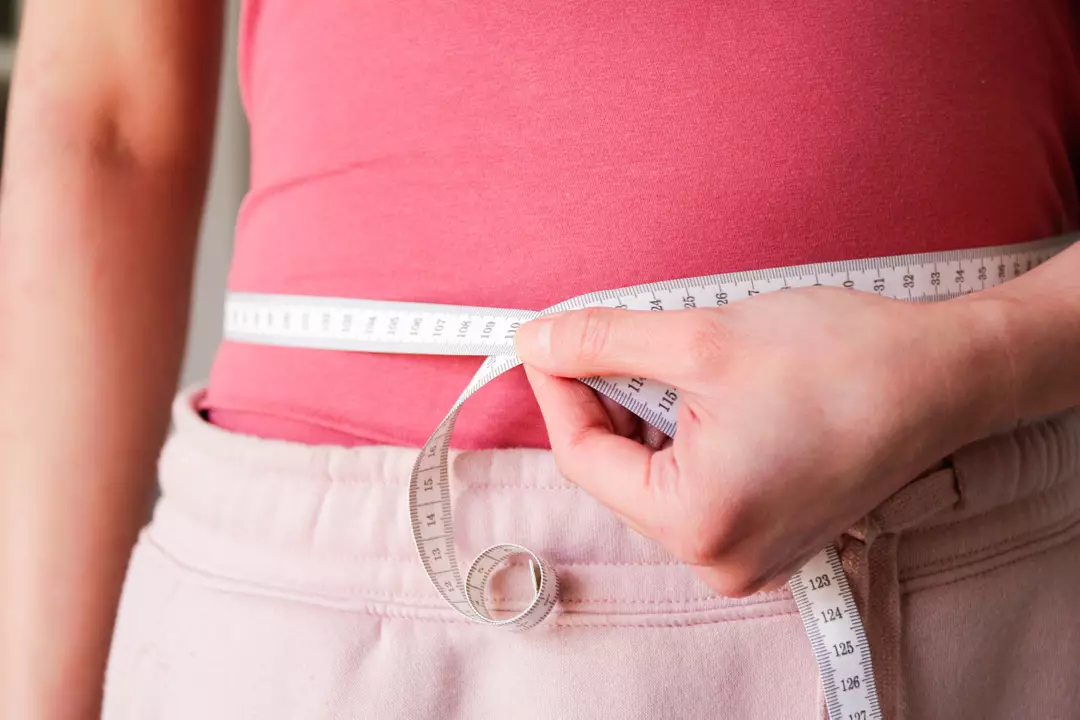
“People on weight loss medication may also need to adapt their eating behaviours and dietary choices to prevent and manage side effects. Most side effects are gastrointestinal and dose-related – and many can be significantly reduced with dietary strategies,” Griffiths continued.
Foods that are typically easier to work in—such as greek yoghurt, tofu, eggs, and smoothies—can help people reach protein targets without relying on big meals.
The health expert concluded: “Finally, it’s important to remember flexibility over restriction. While rigid calorie restriction is unnecessary and may exacerbate side effects, portion sizes will naturally be smaller, so the focus shifts to nutrient density rather than calorie counting, with the nutritional quality of every bite mattering more.”