

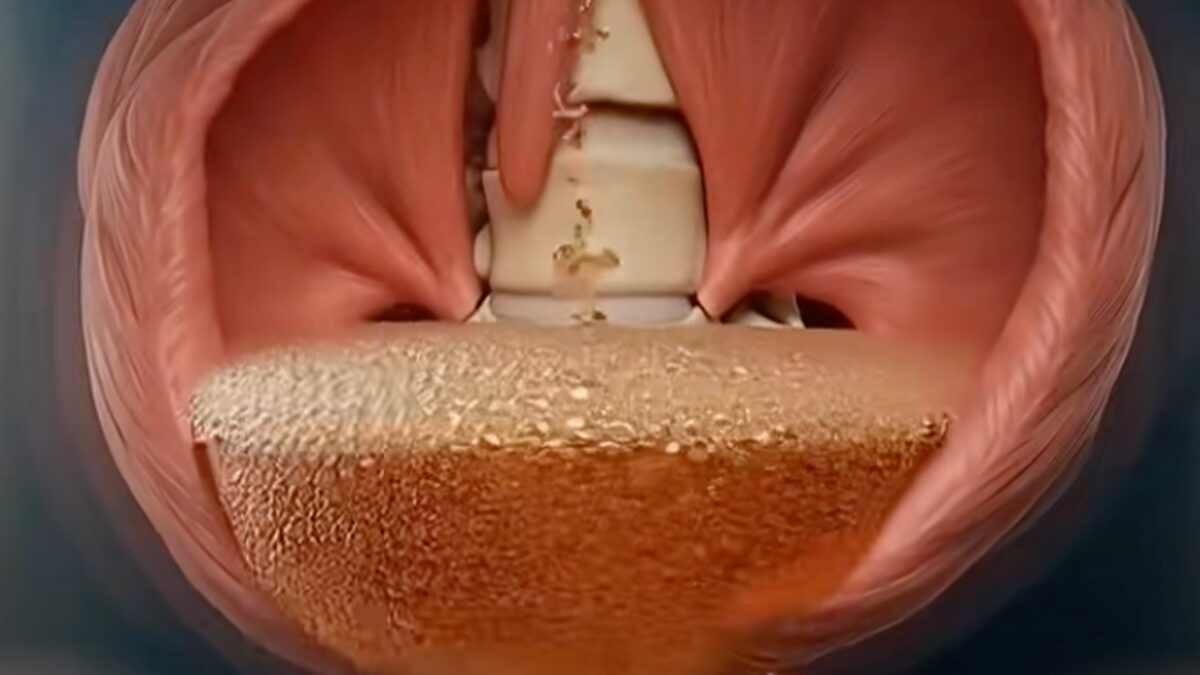
A striking simulation has shown what can go on inside your body when you make soda a daily habit.
Fizzy drinks are popular for a reason: they’re sweet, refreshing, and for many people they offer a quick caffeine lift—especially during that mid-afternoon slump after lunch.
Still, health professionals continue to stress moderation. Data suggests the habit is common, with 63 percent of adults in the US reportedly drinking at least one caffeinated soda each day.
So what might daily soda consumption do to your body?
According to EatingWell.com, regularly drinking soda is frequently linked to dental issues, including decay and even tooth loss. Scott Cardall, D.M.D., M.S, explained: “Anything really acidic and anything with a lot of sugar can cause tooth ‘rot,’ or decay. Soda is quite acidic and usually has high amounts of sugar, which gets turned into lactic acid by plaque and microbes in the mouth and starts to dissolve the teeth.”

Another concern is how soda can affect the mouth’s natural defenses. Ankit Patel, D.M.D., M.S.D, said: “Saliva plays a crucial role in oral health, as it helps to neutralize the acid in your mouth and wash away food particles and bacteria. However, drinking soda can decrease your saliva production, making it harder for your mouth to fight off harmful bacteria.”
A separate simulation shared by Dr. Boogie on TikTok describes how quickly the drink moves through the body. Because soda is carbonated and already in liquid form, it can pass down the esophagus and reach the stomach within seconds.
The video adds: “In the stomach, phosphoric acid and caffeine stimulate extra gastric acid production, while massive sugar causes a rapid insulin surge.”
And for some people, that carbonation can create uncomfortable side effects—like increased gas, bloating, and burping.

In addition, caffeine can be taken up quickly through the stomach lining, reaching the bloodstream within minutes.
The simulation suggests that the caffeine and sugars entering the blood can deliver a brief burst of energy and alertness—one reason people often reach for a soda to power through the day.
But regular soda drinkers often recognize what can follow: a noticeable drop later, once the initial boost wears off.
The video also highlights that caffeine “triggers a short rise in heart rate and blood pressure”, something worth considering for anyone sensitive to stimulants.
It ends by noting that while soda can offer a “fast-energy boost”, frequently having large amounts may contribute to blood sugar swings, acid reflux, bloating, and extra calorie intake.