

If you use an Apple iPhone, you may have noticed an odd difference: sometimes an incoming call shows a clear “Decline” option, and other times it doesn’t.
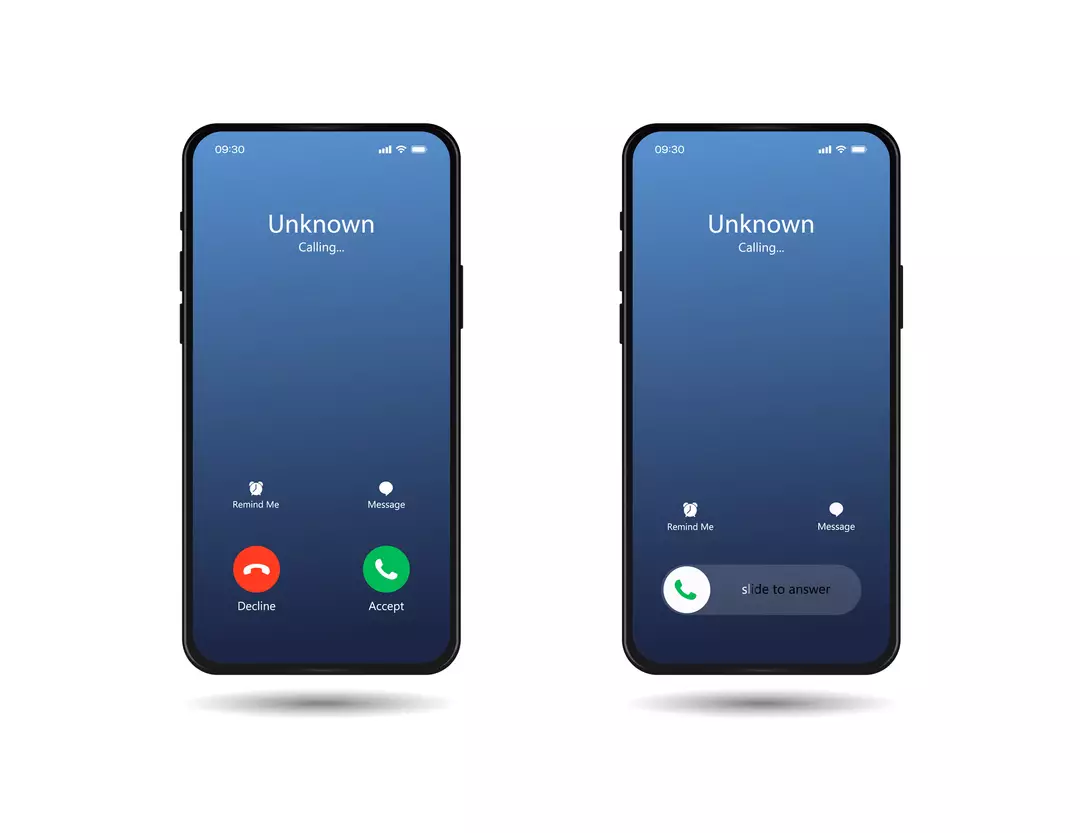
On certain calls, your screen gives you two obvious choices—answer or decline. On others, you’ll only see the familiar “slide to answer” control.
It’s not random, and there’s a practical design reason for it.
If the inconsistency annoys you, there’s also a simple way to handle calls even when the decline button isn’t visible.
The key detail is whether your iPhone is locked or already unlocked and in use when the call comes through.
According to Supercar Blondie, Apple does this to reduce accidental call handling.
In short, tapping a button is far easier to do by mistake than completing a deliberate swipe gesture.
That means the “slide to answer” screen can help prevent unintended answers—like when your phone is in your pocket or bag and the screen gets pressed.
Still, if you want to reject a call when you’re only seeing the swipe bar, there’s a built-in workaround: press the side/lock button once to silence the ring.
Press it a second time, and the call will be sent straight to voicemail.
So although it can feel less convenient at first glance, you’re not stuck—there’s an easy way to dismiss calls quickly.

One Reddit user summed it up like this:
“When your iPhone is locked and a call comes in, you only have the option to ‘slide to answer’. However, when the phone is unlocked, you can either accept or decline the call.
“The reason for this is, essentially, reverse butt-dialing. Apple assumed that if your phone is locked, it’s probably in your pocket or bag and you’re not really paying attention to it. If the ‘accept’ and ‘decline’ buttons were available while in lock screen mode, it would be much easier to accidentally pick up or ignore calls by hitting one of the buttons, rather than holding the button and sliding with your finger.”
Elsewhere in recent iPhone updates, new trade-in data suggests the iPhone 17 Pro Max is currently the most frequently traded-in model.
It leads the independent trade-in rankings, making up 11.5% of all devices appearing in the top 20. The figures come from SellCell’s internal trade-in data and secondary market pricing trends gathered from 40 independent iPhone buyers.
So what’s driving people to move on from the iPhone 17 Pro Max so quickly? Feedback has been split, with some owners saying they regret the purchase while others say they’re satisfied.
“I literally posted a couple days ago asking about the best way to sell my 17 Pro,” one iPhone user shared on Reddit. “This makes sense to me. Five months in, I really regret the purchase and would rather have some cash and go back to the 13 Pro, which to me is about imperceptibly different and a better color.”
On the other hand, some users say the phone has lived up to expectations.
“I’ve been very happy with my 17 Pro Max,” another customer wrote.