

BAFTAs judge Jonte Richardson has announced he’s withdrawing from the ‘BAFTA emergency talent judging panel’ following a period of ‘considerable soul-searching’.
The BAFTA Awards took place on Sunday night (February 22), with major achievements across film and TV being honoured.
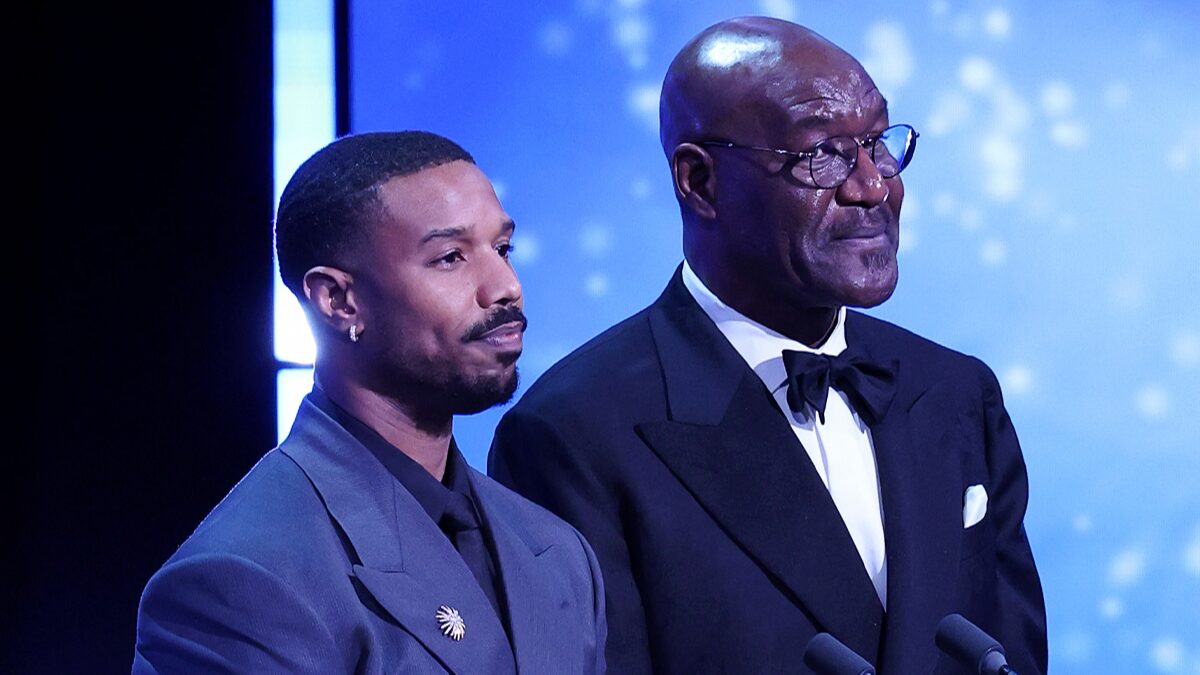
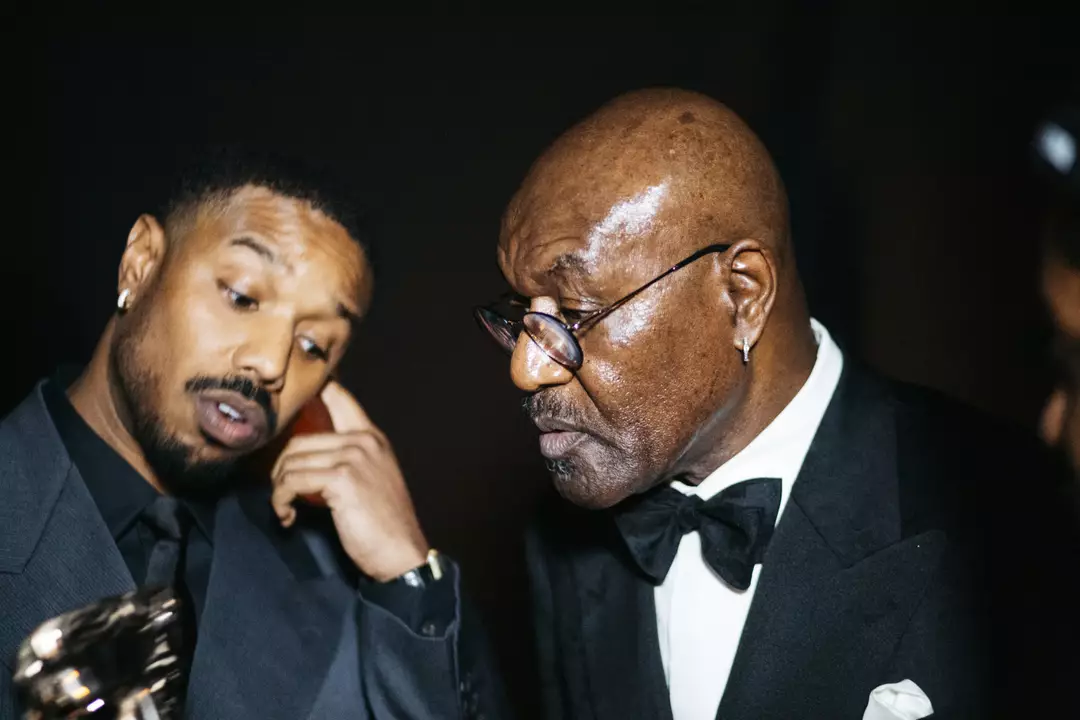
In the aftermath, the broadcast has faced criticism over a moment during the ceremony when Tourette syndrome campaigner John Davidson uttered the N-word during an involuntary tic as Michael B. Jordan and Delroy Lindo were on stage presenting the award for best visual effects.
I Swear, which picked up several awards — including Best Actor for Robert Aramayo — is based on Davidson’s life and his Tourette syndrome diagnosis at 25.
Both the BBC and BAFTAs have been criticised for the inclusion of the moment in the televised coverage, and each has since issued statements in response.
Now, one of BAFTA’s judges has publicly said he will step away from his role.
On February 23, Richardson posted on LinkedIn with an update about his involvement in the organisation’s emerging talent judging category.
He wrote:
“After considerable soul-searching, I feel compelled to withdraw from the BAFTA emerging talent judging panel.
“The organisation’s handling of the unfortunate Tourette’s N-Word incident last night at the awards was utterly unforgivable. I cannot and will not contribute my time energy and expertise to an organisation that has repeatedly failed to safeguard the dignity of its Black guests, members and the Black creative community.”
He added that his decision felt particularly difficult because this year’s group includes “incredible Black talent”, singling out one of his favourite shows of 2025, Just Act Normal.
He continued:
“However, when an organisation like BAFTA, with its own long history of systemic racism, refuses to acknowledge the harm inflicted on both the Black and disabled communities and offer an appropriate apology, remaining involved would be tantamount to condoning its behaviour,”
Richardson went on to urge BAFTA leadership to understand the impact of what happened, and to ensure future productions are supported by sufficiently inclusive teams to prevent a similar situation.
He signed off:
“Yours sincerely, Jonte Richardson.”
His announcement came soon after both BAFTA and the BBC addressed the incident publicly.
A BBC spokesperson said:
“We apologise that this was not edited out prior to broadcast and it will now be removed from the version on BBC iPlayer.”
A further statement added:
“Some viewers may have heard strong and offensive language during the Bafta Film Awards.
“This arose from involuntary verbal tics associated with Tourette syndrome, and as explained during the ceremony it was not intentional.”
BAFTA also released a statement.

The arts charity acknowledged the “very offensive language that carries incomparable trauma and pain for so many”, recognised the “harm this has caused”, and issued an apology “to all”.
It also expanded on Tourette syndrome, noting Davidson has “devoted his life to educating and campaigning for better understanding of his condition”.
BAFTA further apologised directly to Jordan and Lindo, while thanking them for their “incredible dignity and professionalism”.
It said:
“We take the duty of care to all our guests very seriously and start from a position of inclusion. We took measures to make those in attendance aware of the tics, announcing to the audience before the ceremony began, and throughout, that John was in the room and that they may hear strong language, involuntary noises or movements during the ceremony.”
“[…] During the ceremony, John chose to leave the auditorium and watch the rest of the ceremony from a screen, and we would like to thank him for his dignity and consideration of others, on what should have been a night of celebration for him.
“We take full responsibility for putting our guests in a very difficult situation and we apologize to all. We will learn from this, and keep inclusion at the core of all we do, maintaining our belief in film and storytelling as a critical conduit for compassion and empathy.”
If you have been affected by any of the issues in this article and wish to speak to someone in confidence, contact the Racial Equity Support Line on 503-575-3764, available weekdays from 10am to 7pm PT. Or via the Lines for Life Equity Team at [email protected].