

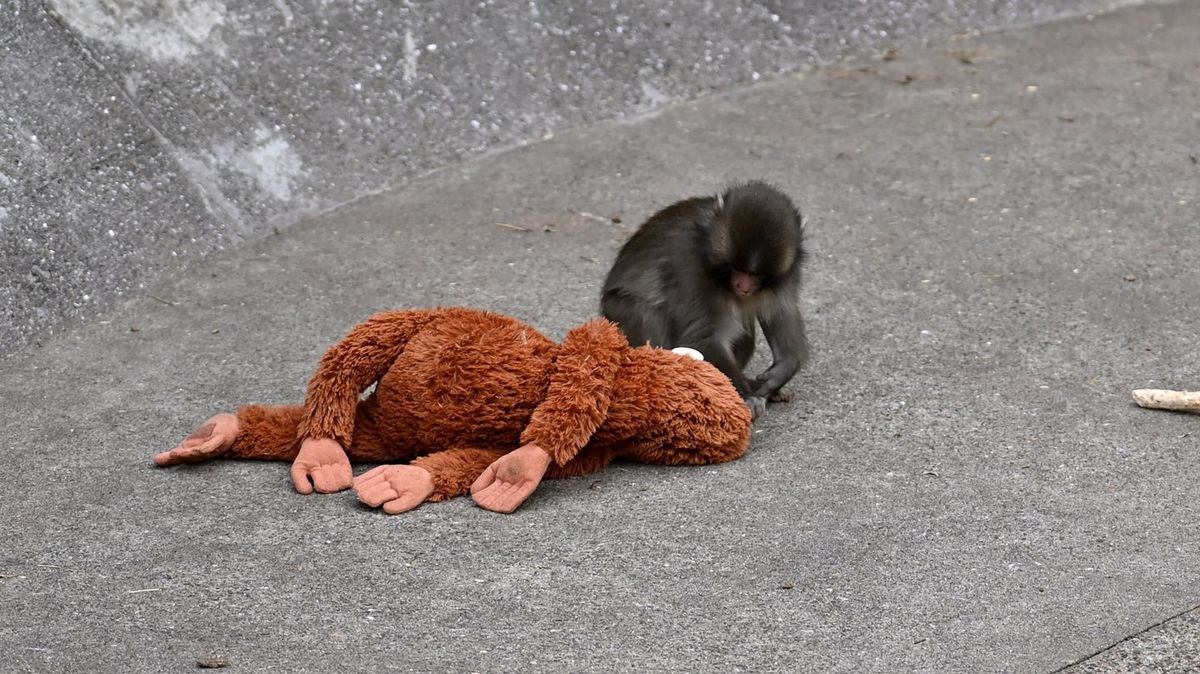
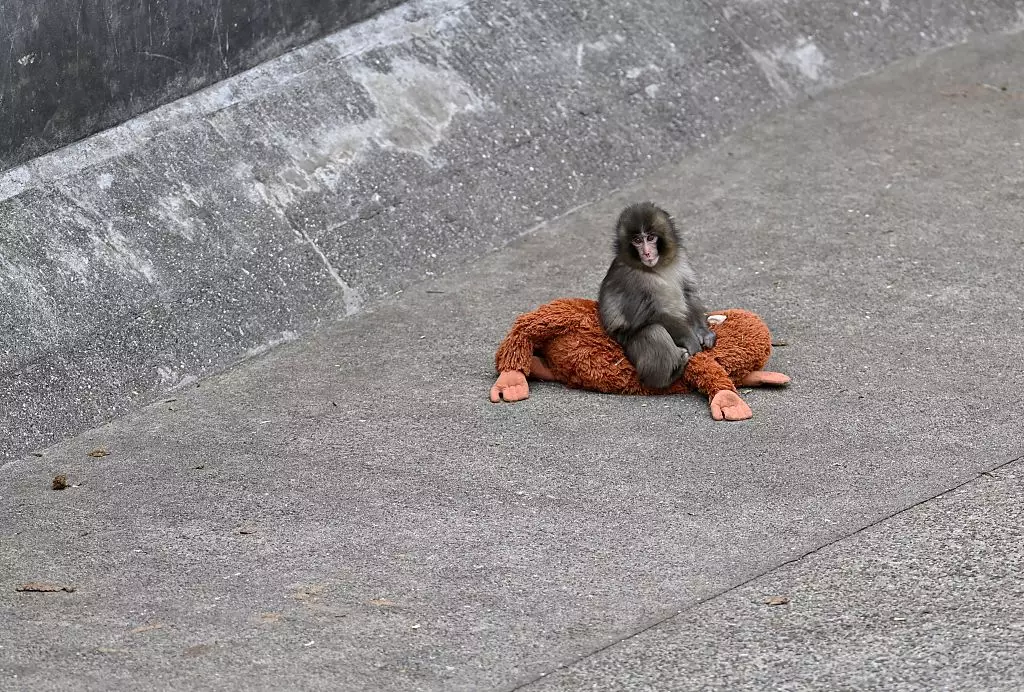
A single photo of Punch the young monkey snuggled up beside his plush orangutan has tugged at hearts everywhere — but does he actually feel sadness after being left without his mother?
Punch, a small macaque at Ichikawa City Zoo in Japan, drew widespread attention after he was abandoned by his mother and then appeared to have difficulty connecting with the other monkeys in his enclosure.
With limited opportunities to play and settle into the group, keepers provided him with a soft toy. Since then, he’s repeatedly been seen carrying it around, and many people have found his story deeply upsetting.
While it’s easy to project human emotions onto him, Dr Emily Bethell, an Associate Professor in Primate Cognition and Welfare at Liverpool John Moores University in the UK, has shared insight into what Punch may be experiencing.
Speaking about animal emotion, Dr. Bethell confirmed that all animals have emotions ‘to some extent’, noting:
“Emotions are survival mechanisms – they are the body’s way of surviving by seeking out things associated with positive emotions and avoiding things that are associated with negative emotions.”
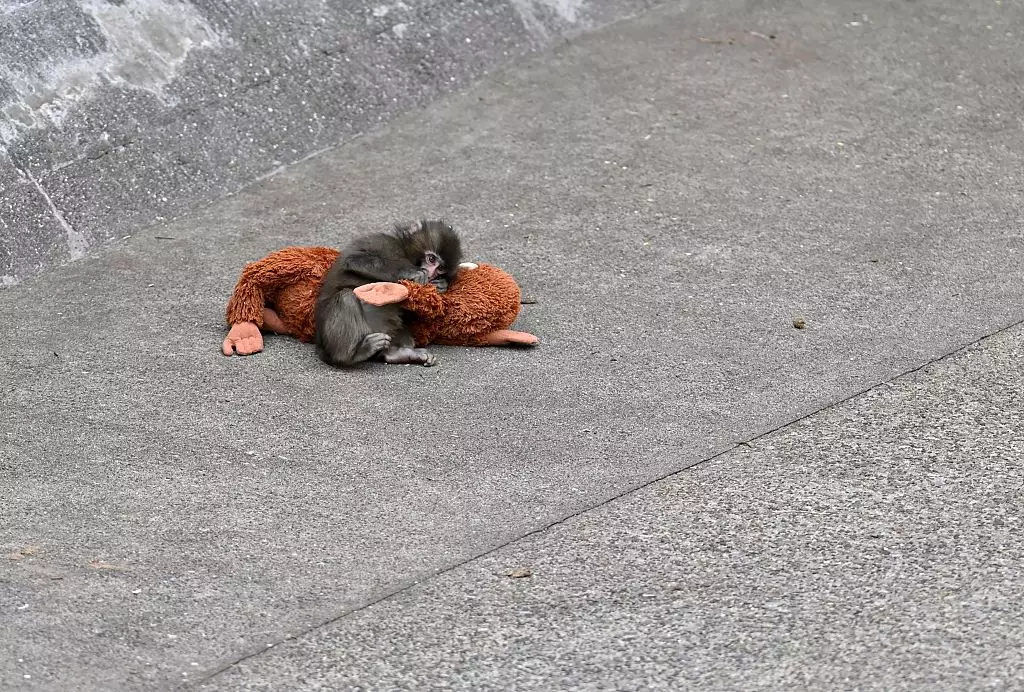
In the wild and in social settings, infant monkeys typically seek closeness to their mothers because it provides comfort and safety — experiences associated with positive feelings. Being separated from that bond is therefore likely to trigger the opposite response.
“Abandonment will, at some level, feel negative,” Dr. Bethell said.
Dr. Bethell also emphasized that even if Punch is experiencing negative emotions, it’s difficult to know how he interprets what has happened.
Turning to why a mother might leave her infant, Dr. Bethell explained:
“Abandonment is not common in macaques but it does happen.”
She added that abandonment can be more likely with first-time mothers, and that maternal behavior can vary between individuals — with some macaques naturally more protective than others.
Dr. Bethell added:
“Abandonment is more likely to happen if the mother herself had abnormal rearing (for example if she was separated from her own mother too young, or experience other forms of early life stress, possibly associated with captivity).”
Looking ahead, she voiced hope that Punch will have more chances to build social bonds as he gets older, particularly as young macaques naturally become more independent and spend increasing time interacting with others.
She said:
“I understand the zoo has provided areas for Punch to escape to, to avoid harassment by the other monkeys. By 6 months old macaques will be spending more time away from the mother and playing with other youngsters. It is also common for youngsters to be handled by unrelated adults, including males. Hopefully as Punch gets older he will have more opportunities for positive social interactions with his group mates.”
For now, many are hoping the little macaque’s comfort toy is only a temporary source of support — and that, with time and space, he’ll be able to settle in and form safer, warmer relationships within his group.