

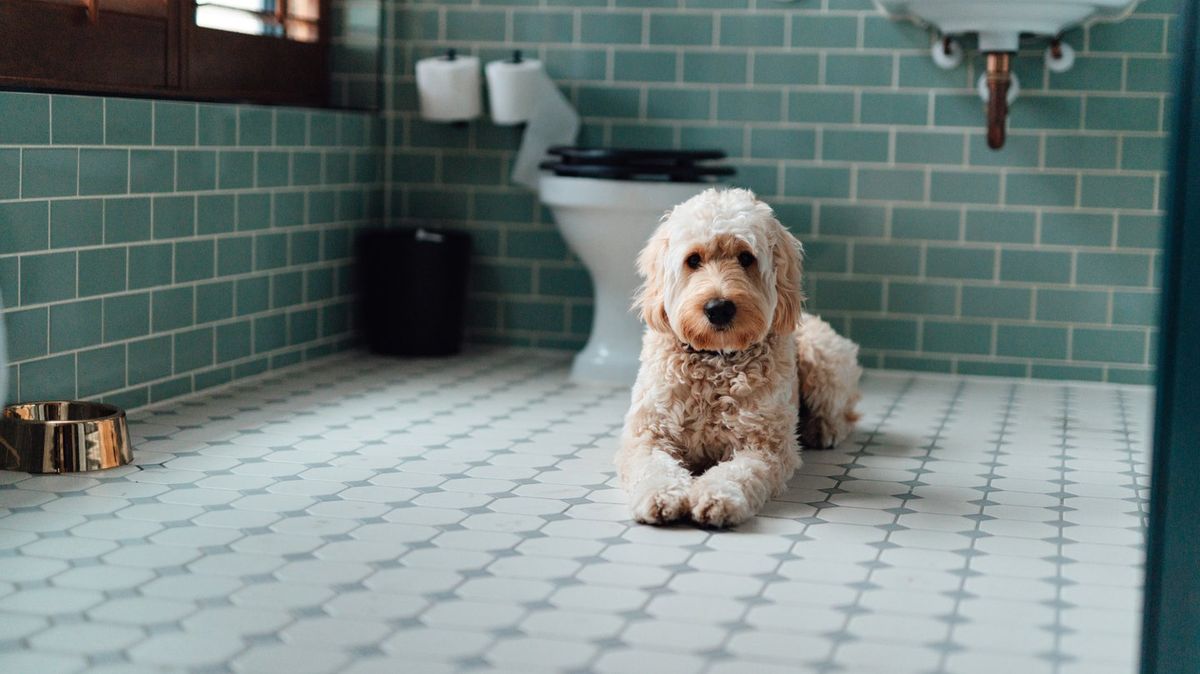
Every pet owner knows that accidents can happen indoors, but a vet has shared why the toilet isn’t the right place to dispose of pet poop.
Because human waste is designed to be handled by sewage systems, it can seem logical to treat animal waste the same way. Plenty of people also assume that if a toilet can cope with everyday use, it can cope with anything you want out of sight.
If you’ve ever said goodbye to a dead goldfish via the toilet, you’re not alone.
But Dr Alice Judge, writing for Pet Impact, advised that pet poo is something you should keep out of the toilet, largely because animal waste can carry risks that aren’t always addressed by standard wastewater treatment.
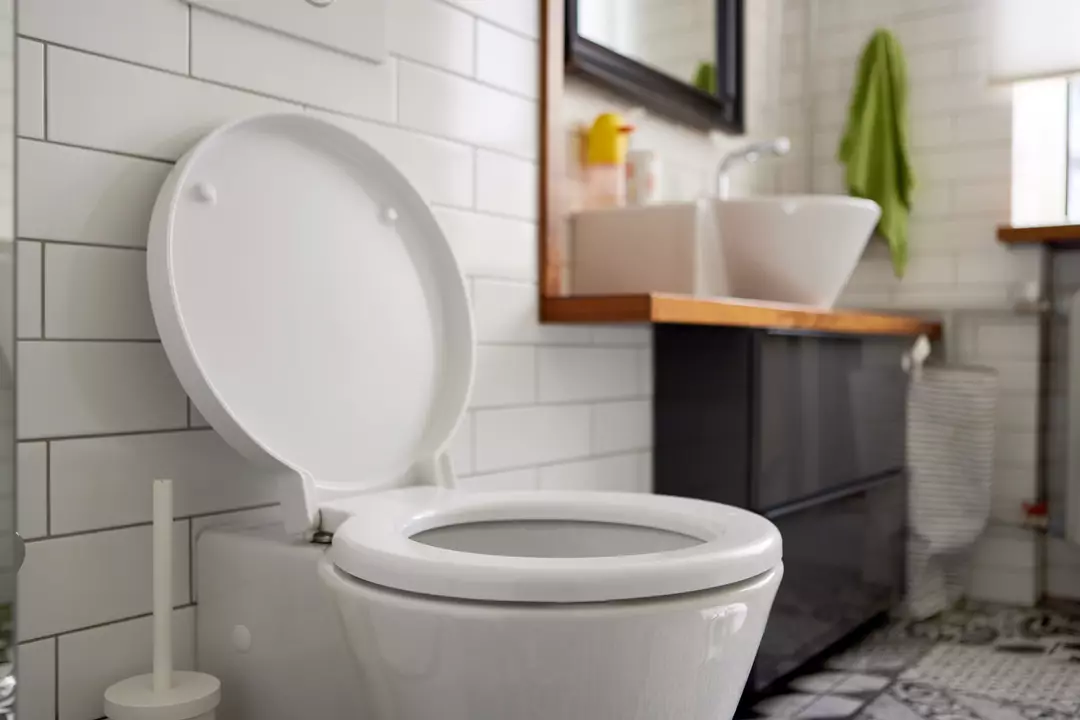
Starting with cats: even if your cat usually goes outdoors or uses a litter tray, there may be moments when you’re tempted to flush waste for convenience.
Dr. Judge explained that cat faeces can contain a tough parasite called Toxoplasma, which is capable of infecting both animals and humans.
The concern is that many water treatment plants aren’t designed to eliminate this parasite, so flushing could allow it to reach rivers, lakes, and other waterways—potentially putting wildlife and people at risk.
There’s also the issue of medication. If a cat is on treatment, traces can pass into stool and may be harmful once it enters aquatic environments.
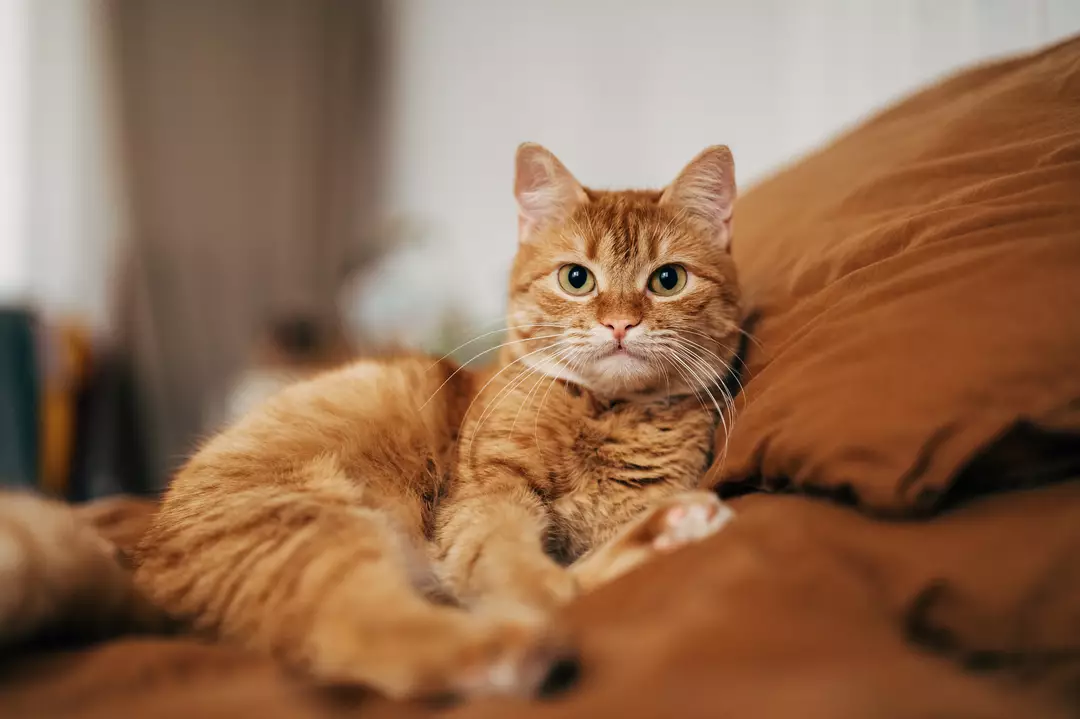
Dogs are a similar story. After a mess on the floor, it might feel easiest to get rid of it quickly by flushing and moving on.
However, Dr. Judge warned that dog poop can carry around twice as much harmful bacteria as human waste, along with parasites such as Toxocara, which can withstand high heat.
As with cat waste, wastewater facilities may not be equipped to remove these pathogens effectively, which can allow contamination to spread beyond the household plumbing and into broader waterways.
Toxocara in particular can be dangerous, as it may infect animals and, in children, can lead to blindness.
Medication is also a factor for dogs, with similar concerns about potential impacts on aquatic life if residues enter the water system.
That said, rules and recommendations can vary depending on where you live and how your wastewater is processed. The American Kennel Club notes that disposal guidance may differ based on local infrastructure.
The site explains: “Whether this is suitable depends on if your wastewater goes through a sewage treatment plant. If it doesn’t, for example if you have a septic system, don’t flush dog poop as it can contaminate the water supply. Always check with your local government to see if flushing is an acceptable disposal method.”