

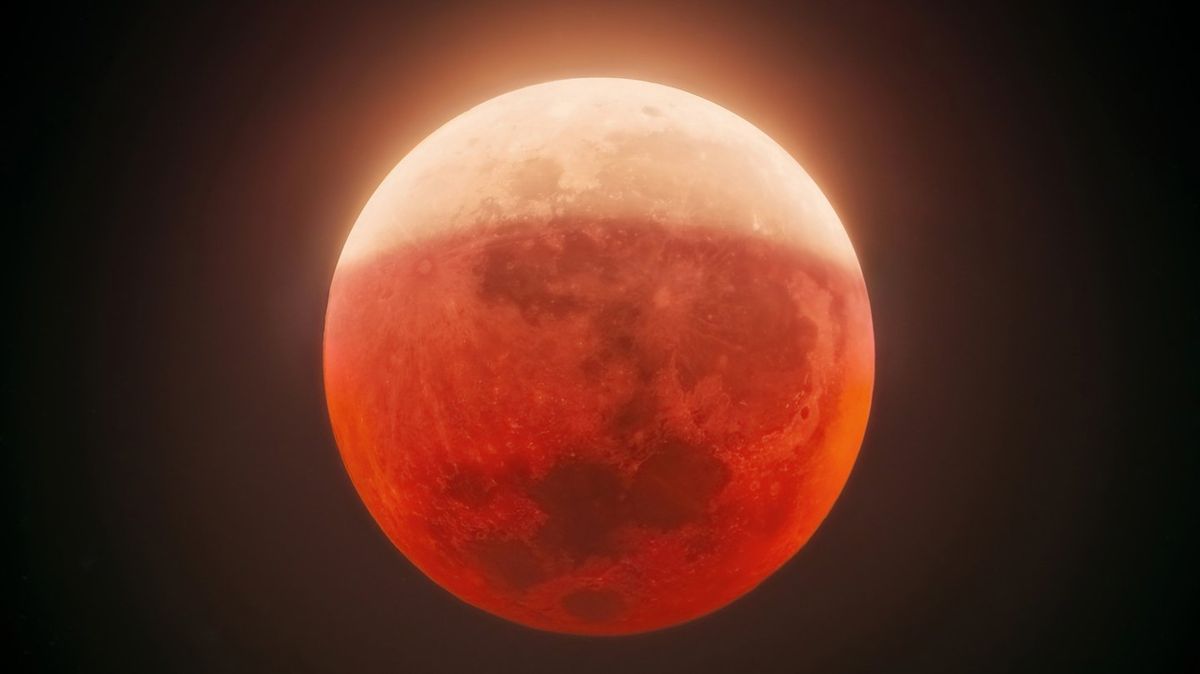
Americans may be able to spot an eye-catching skywatching moment this week, as a rare event known as a selenelion could reveal both the rising sun and an eclipsed moon at the same time.
How’s that for a two-for-one special!?
Royal Museums Greenwich (RMG) reports that there are typically between two and five lunar eclipses each year, though not all of them qualify as a “total” eclipse.
The US last experienced a total lunar eclipse on April 8, 2024.
But early Tuesday morning (March 3), people across the US may be able to see a total lunar eclipse alongside a selenelion — however, the combined viewing opportunity is expected to last only about 59 minutes.
A total lunar eclipse happens when the Sun, Earth and Moon line up, placing the Moon within the darkest part of Earth’s shadow.
RMG explains that during totality, the Moon can take on a deep red tone, lit by sunlight that has filtered through Earth’s atmosphere and been refracted back toward the lunar surface.
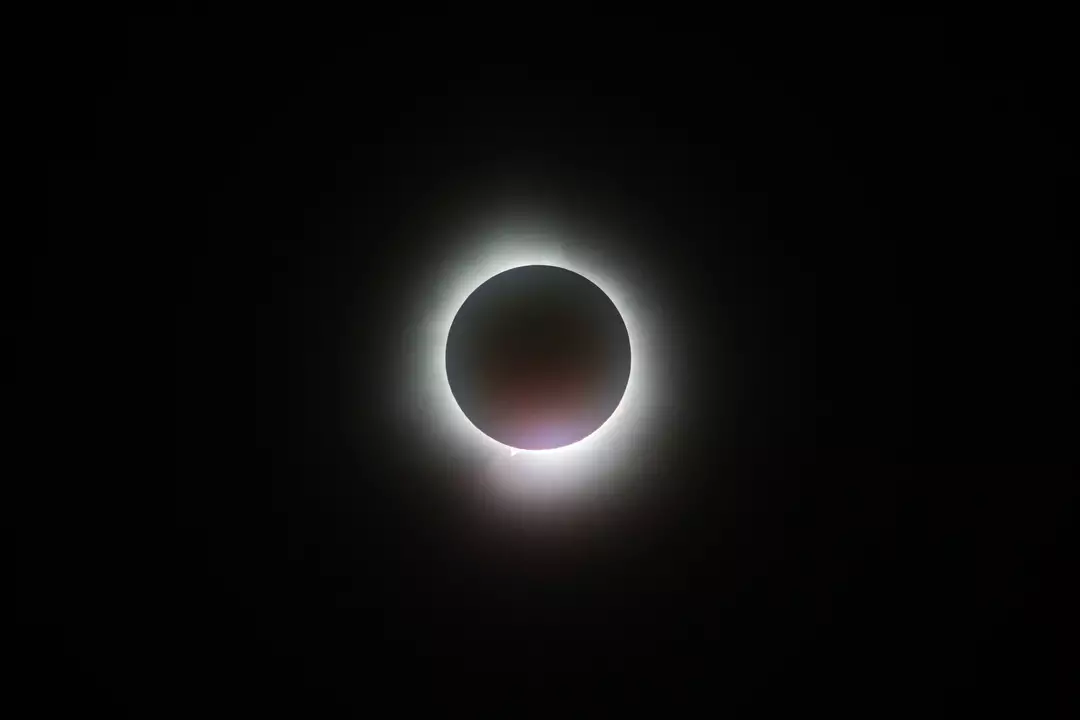
At first glance, catching the sun and an eclipsed Moon at the same time seems like it shouldn’t be possible — if Earth sits between them during the eclipse, how could both be visible?
Space.com says the answer is atmospheric refraction, which is what makes a selenelion achievable.
In simple terms, it’s an optical trick: refraction can make celestial objects appear slightly higher in the sky than where they truly are, as Earth’s atmosphere bends their light like a lens.
That’s the same reason the sun can appear to linger briefly around sunrise and sunset — we can often see it a little before it technically rises and a little after it technically sets.

Reports said that the lunar eclipse should be visible across the Lower 48 states, and also in Alaska and Hawaii.
The total phase is expected to run for roughly 59 minutes.
Space.com notes that only certain places will be positioned to see both the total lunar eclipse and the selenelion effect, where the sun rises as the fully eclipsed Moon sets on the opposite horizon.
If you’re located in one of these areas, it may be worth setting an early alarm.
Boston viewers may have a brief chance from 6.16 to 6.17 am EST, while New York City’s window is expected between 6.26 and 6.28 am EST. In Washington D.C., the opportunity could be between 6.38 and 6.39 am EST.

In Canada, meanwhile, Montreal is expected to be able to see totality from 6.29 to 6.30 am EST.
People in Atlanta may be able to view the Moon at 97 percent eclipsed between 7.03 and 7.05 am EST.
For anyone hoping to catch the event, it helps to find a higher vantage point with an unobstructed view toward both the eastern and western horizons.