

The conflict involving the US and Israel and Iran has entered its fourth day, with Washington warning that the ‘hardest hits are yet to come’ after drones struck the American embassy in Riyadh, Saudi Arabia.
Saudi Arabia’s defence ministry said Iranian drones hit the US embassy in the capital on Monday evening, sparking a fire that was described as ‘limited’ and quickly brought under control.
Officials said two drones were involved, causing minor material damage, and added that no injuries had been reported.
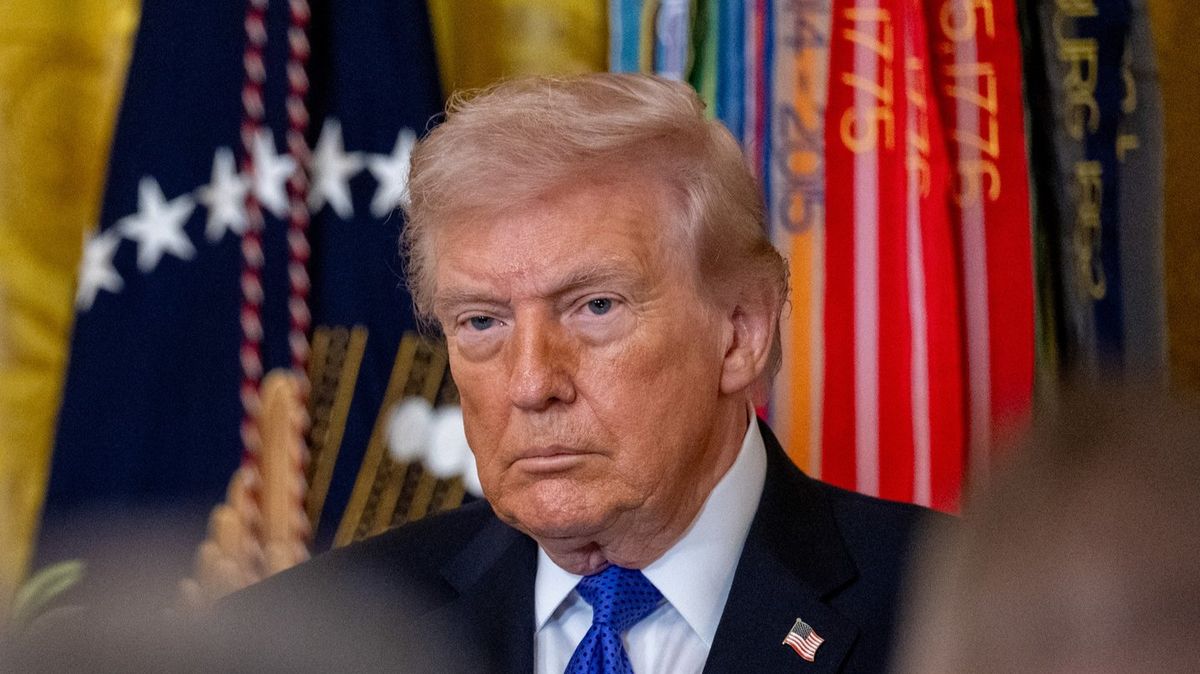
The strike on a US diplomatic site has further intensified an already volatile situation linked to ‘Operation Epic Fury’, as Donald Trump signalled that a response would follow.
Per NewsNation, Trump said ‘you’ll find out soon’ when asked about retaliation, after previously stressing that deploying US ground forces in the Middle East would happen ‘only if necessary.’
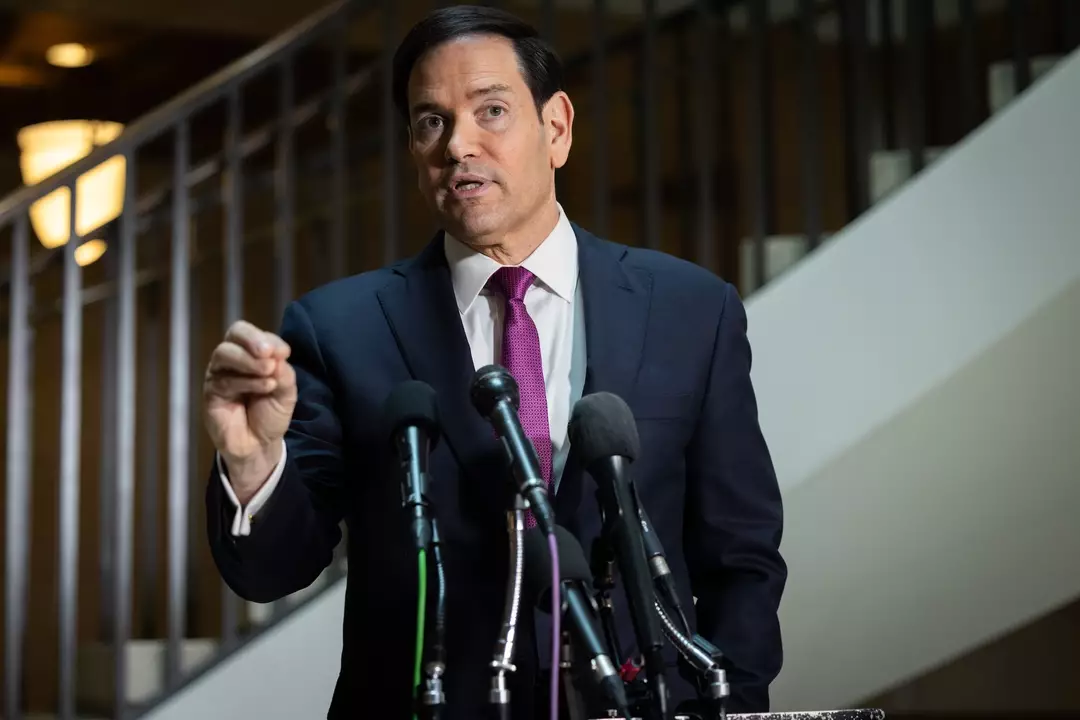
His remarks echoed earlier comments from US Secretary of State Marco Rubio, who warned that ‘the hardest hits are yet to come’ and that ‘the next phase will be even more punishing on Iran than it is right now.’
Since the operation began on Saturday, the Washington, DC-based group The Human Rights Activists News Agency (HRANA) has estimated that 742 civilians have been killed, including 176 children.
The Iranian Red Crescent Society previously said the death toll stood at 555, though those figures have not been independently verified.
Although much of the violence has centred on Iran, the wider region has also been pulled in, with Iranian forces launching retaliatory attacks on US bases in neighbouring countries—moves that have drawn anger and warnings of further action if they continue.
At the same time, Israel has carried out additional strikes elsewhere, including repeated attacks on Lebanon over the past 24 hours. Reports include a TV station in Beirut being hit, as well as evacuation warnings for residents in the al-Ghubeiri and Haret Hreikthe areas of southern Beirut ahead of expected strikes.
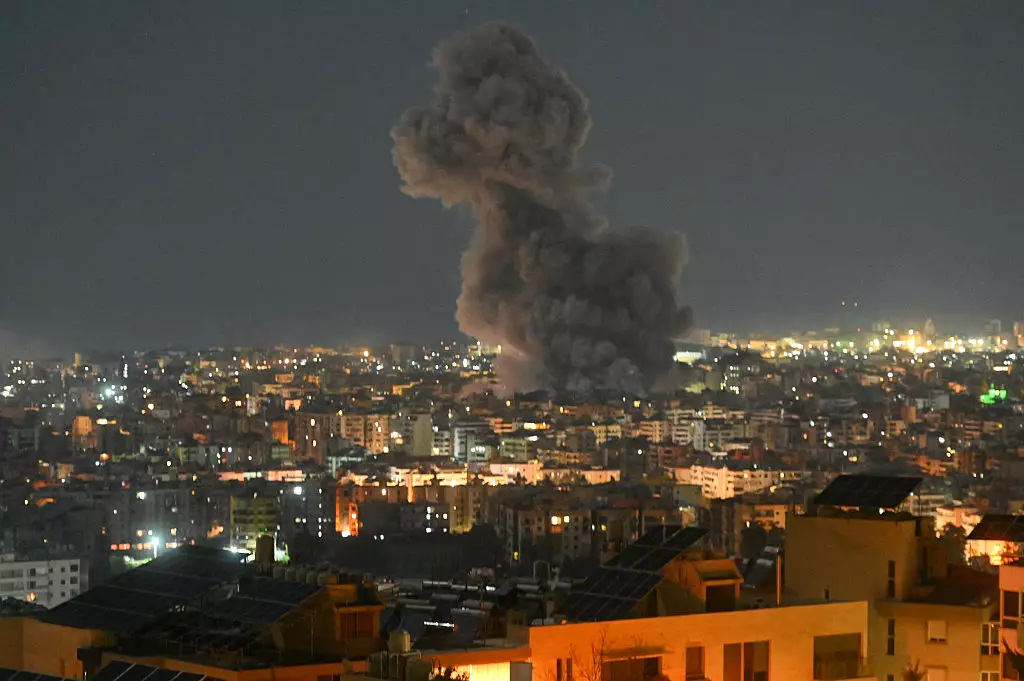
The developments triggered a sharp response from Hezbollah, which accused Israel of breaching the ceasefire introduced in 2024 and argued it was entitled to answer with force.
“All political and diplomatic efforts have failed to curb this aggression or compel Israel to implement the ceasefire agreement and its requirements,” the group said in a message on Telegram, calling retaliatory strikes against Israel a ‘defensive act’ and a ‘legitimate right’.
“We have repeatedly warned that aggression without a response cannot continue, and assassinations and destruction cannot continue,” the group said.
“What is required is to put an end to the aggression by all available means, with fervour and effective action,” it added.
US President Donald Trump announced on Saturday (28 February) that the US and Israel have started ‘major combat operations’ in Iran after explosions were heard in multiple cities across the country.
After a substantial US military buildup in recent weeks, Trump said in a Truth Social video that ‘we are going to destroy their missiles and raze their missile industry to the ground’.
As civilian casualties mounted—reportedly including at least 153 people and children after a strike hit a school in Minab—Iran’s Supreme Leader Ayatollah Ali Khamenei was confirmed dead following Israeli missile strikes around Tehran.
Trump said the weekend’s attacks were intended to ‘ensure that Iran does not obtain a nuclear weapon’.
Separately, Israel’s defence minister said the purpose of Israel’s retaliatory strikes was to ‘remove threats against the State of Israel’.
The escalation followed weeks of Trump threatening military action if Iran did not accept a new agreement over its nuclear programme, while Iran has repeatedly stated its nuclear activities are ‘entirely peaceful’.
In response to the US and Israeli strikes, Iran has launched strikes on Israel and Gulf Arab countries including Qatar, the UAE, Bahrain and Kuwait.
Reports said at least nine people were killed after a strike on the Israeli city of Beit Shemesh, while multiple military and civilian sites were targeted across the weekend, including an American naval base in Bahrain and Dubai’s international airport in the United Arab Emirates.
Videos shared on social media by tourists and residents have shown damage from missile and drone attacks across several locations, including posts from British citizens who say they are stranded in Dubai.
Questions have also been raised about the UK’s position since the combat operation in Iran began, given Britain’s alliances with both the US and Israel.
Prime Minister Keir Starmer said British planes were ‘in the sky’ in the Middle East as part of a defensive mission ‘to protect our people, our interests and our allies’, and he condemned Iran’s retaliatory strikes on ‘partners across the region’.
While the UK did not take part in the strikes, Starmer issued a joint statement with the leaders of France and Germany urging Iran to ‘refrain from indiscriminate military strikes’.
“Iran can end this now,” Starmer said. “They should refrain from further strikes, give up their weapons programme and cease the appalling violence and oppression of the Iranian people – who deserve the right to determine their own future.”
Foreign Secretary Yvette Cooper has also pushed back against claims the UK is being pulled into another Iraq-style conflict.
Speaking to Sky News on Monday, 2 March, in relation to a reported Iranian drone strike on an RAF base in Cyprus, she said: “We took a very specific decision not to provide support for strikes that were taking place over this weekend. We have been clear that we believe there should be a diplomatic process, negotiations process.”