

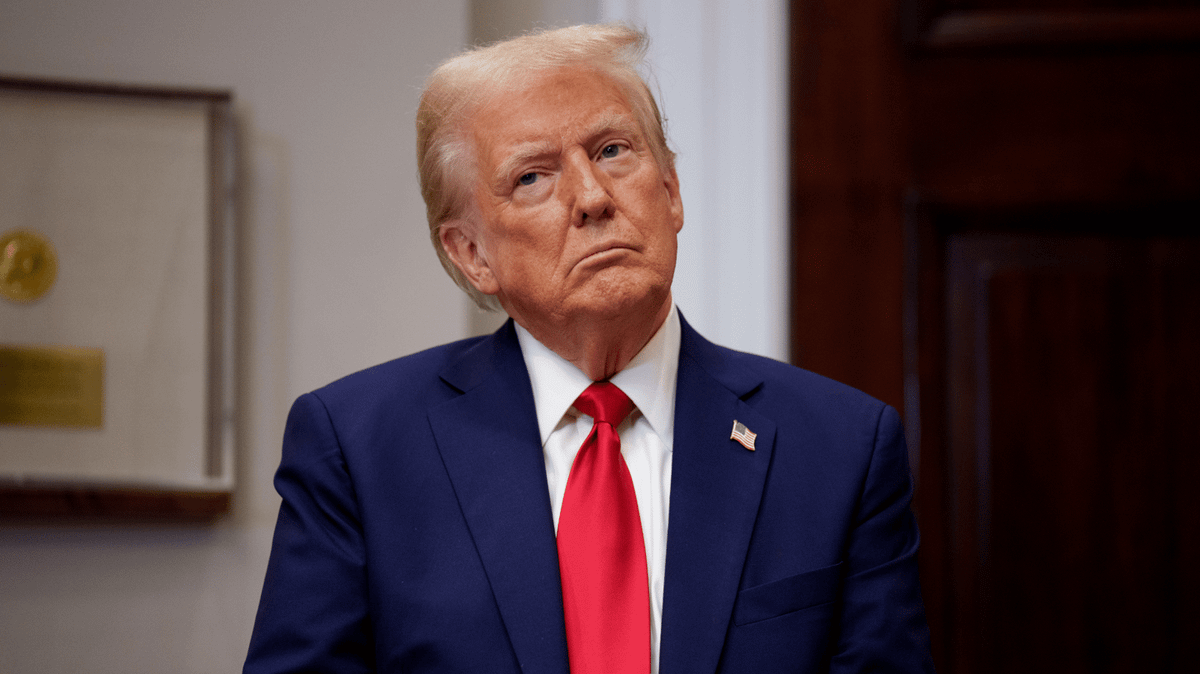
With fighting escalating between Iran, Israel and the US, the president was asked whether Americans should be concerned about the prospect of retaliation on US soil.
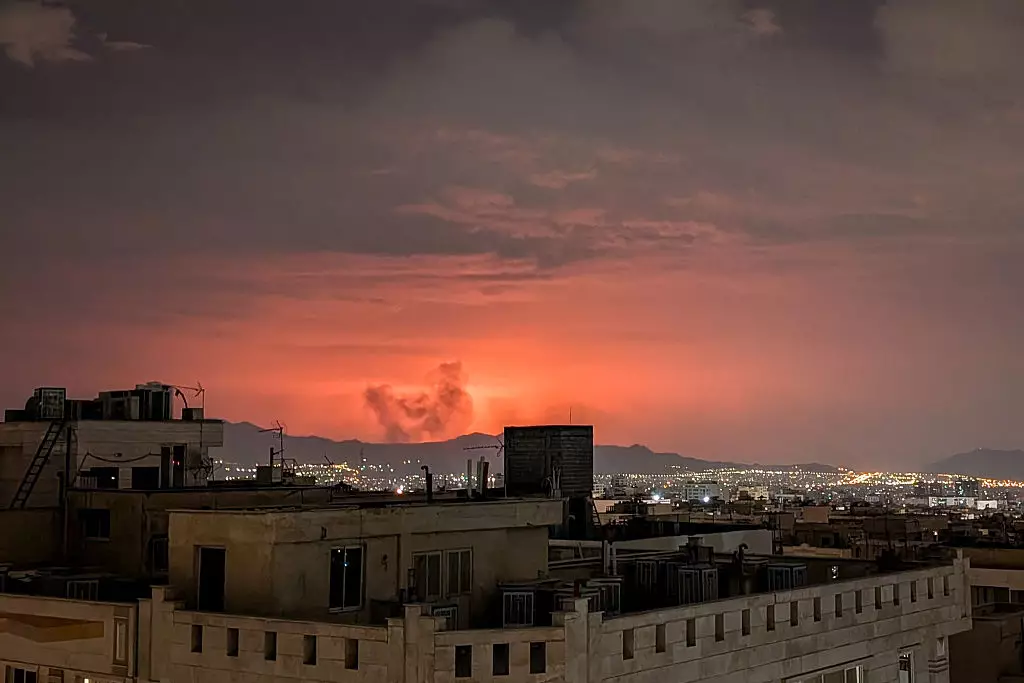
Iran came under a wave of air strikes on February 28 as part of a joint US-Israeli operation that resulted in the death of Supreme Leader Ali Hosseini Khamenei.
Several days of hostilities have followed, and President Trump has warned the situation could last longer than many expect — something he suggested could carry major financial consequences for US taxpayers.
Iran has responded with strikes aimed largely at Middle Eastern nations seen as closely aligned with the United States and Israel.
Kuwait was among the countries hit, with a drone strike on March 1 reported to have killed six American soldiers, four of whom have been identified publicly.
Still, questions remain about whether Iran could attempt an attack inside the United States. Against that backdrop, Trump was asked directly if the public should be worried.
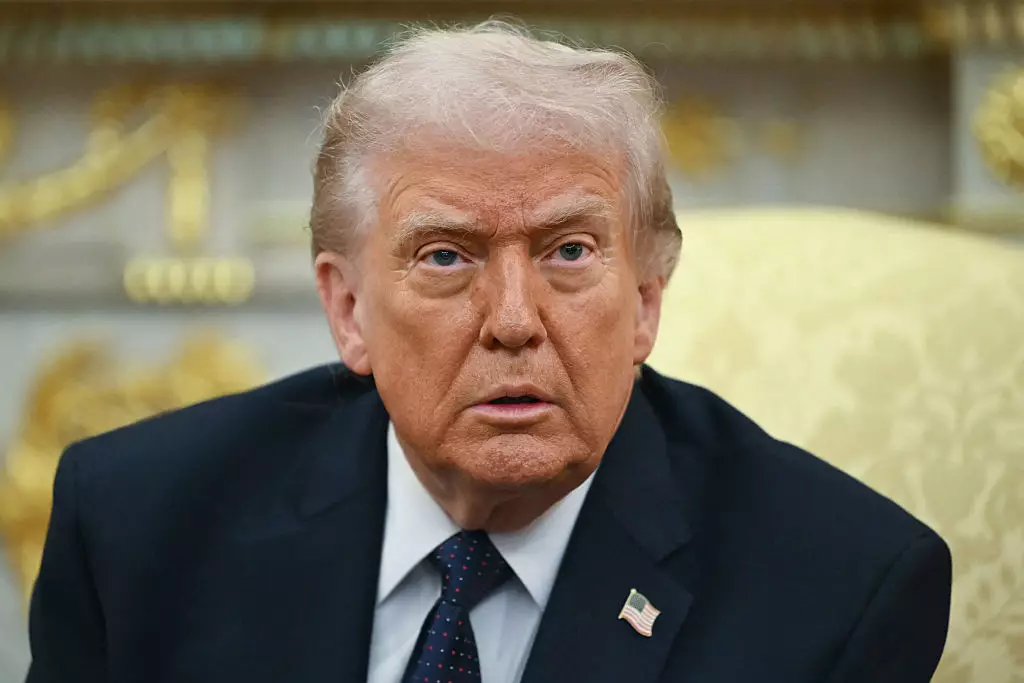
He acknowledged it was possible, telling TIME: “I guess. But I think they’re worried about that all the time. We think about it all the time.”
Trump added: “We plan for it. But yeah, you know, we expect some things. Like I said, some people will die. When you go to war, some people will die.”
Former DHS assistant secretary for counterterrorism and threat protection Sam Vinograd also addressed the potential for a direct strike on the US, speaking to CBS News about the scale of the challenge.
“It is clear that it is an all-hands-on-deck moment, not just for the US government, but for every American when it comes to countering the regime’s ability to attack the homeland,” she said.
Vinograd said ‘every individual in this country right now needs to be aware of the threat from proxies, from individuals that the regime hires’.
She described Iran as a ‘multidimensional threat’, explaining: “They seek to inflict damage in our physical spaces, in cyberspace and in terms of the actual information that we’re ingesting and digesting and circulating right now.”
In another part of his TIME interview, Trump spoke about what he said he wants to see in Iran’s leadership following Khamenei’s death, suggesting he hopes to have a role in what comes next.
“One of the things I’m going to be asking for is the ability to work with them on choosing a new leader,” said Trump.
“I’m not going through this to end up with another Khamenei. I want to be involved in the selection. They can select, but we have to make sure it’s somebody that’s reasonable to the United States.”