

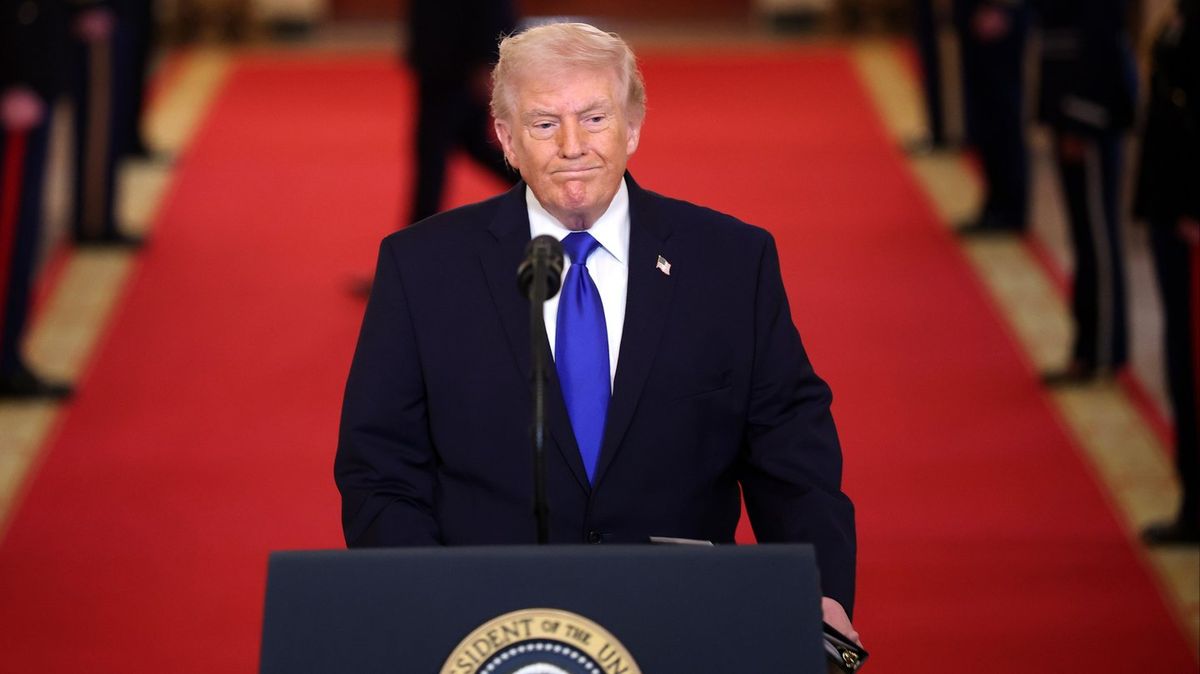
Several American states have filed a lawsuit over President Trump’s newly imposed import taxes after his initial ‘Liberation Day’ tariffs were shot down by the Supreme Court.
Donald Trump previously unveiled wide-ranging tariffs on a long list of countries, with rates spanning from 10 percent up to 50 percent.
But within a year of what he dubbed “Liberation Day,” the Supreme Court ruled the tariffs were unlawful, finding that the “national emergency” basis used to justify them did not hold up.
In response, the president has moved to another legal mechanism, pushing for 15 percent tariffs on most countries through Section 122 of the Trade Act of 1974. Under that provision, the duties can generally remain in place for 150 days unless Congress approves an extension.
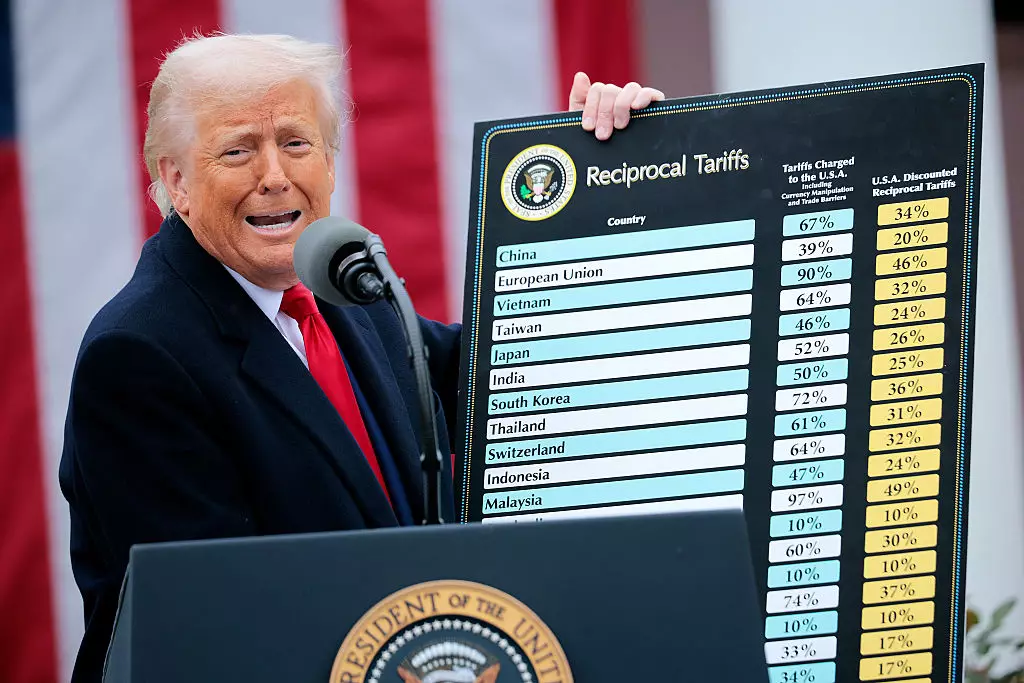
Those proposed 15 percent tariffs have not yet taken effect, though CNBC reports they could begin as early as this week.
Separately, 10 percent tariffs are already in force, introduced only days after the Supreme Court struck down Trump’s 2025 import taxes. They took effect on February 24.
The administration has argued the latest measures are needed to shrink the country’s long-running trade deficits. However, 24 states have now filed suit against the Trump administration, saying the president is once again exceeding the limits of his authority.
The case is being led by New York Attorney General Letitia James. The filing argues Trump lacks the power to impose the tariffs and seeks reimbursement for the costs the states say they have incurred because of the duties.
The states claim Section 122 is intended for narrow, specific situations—not for broad, across-the-board import taxes. They also argue the tariffs will raise expenses for state governments, companies, and shoppers.

James said in a statement: “Once again, President Trump is ignoring the law and the constitution to effectively raise taxes on consumers and small businesses.
“The president is causing more economic chaos and expecting Americans to foot the bill. These tariffs will only drive up the cost of living, and I will continue to uphold the rule of law to protect New Yorkers.”
Meanwhile, Oregon Attorney General Dan Rayfield has argued that ‘the focus right now should be on paying people back, not doubling down on illegal tariffs’.
The lawsuit also includes the attorneys general of Colorado, Connecticut, Delaware, Illinois, Maine, Maryland, Massachusetts, Michigan, Minnesota, Nevada, New Jersey, New Mexico, North Carolina, Rhode Island, Vermont, Virginia, Washington, and Wisconsin, along with the governors of Kentucky and Pennsylvania.