

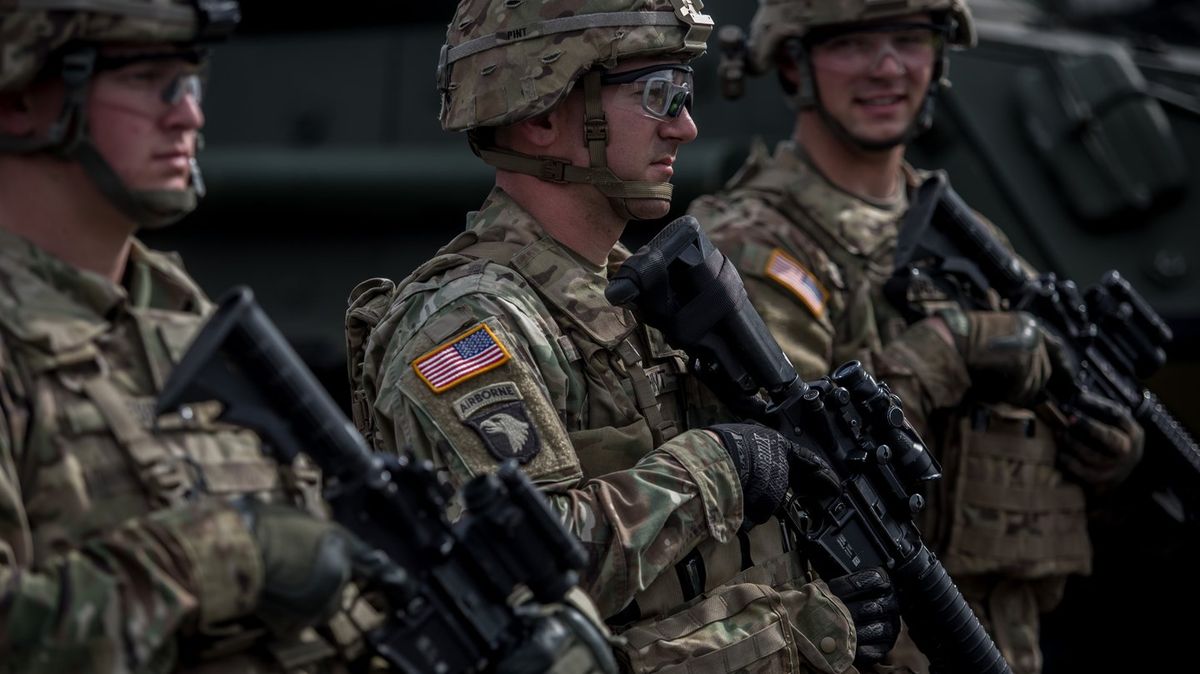
At least three types of medical exemptions could prevent someone from being drafted in the event the latest Middle East conflict expands.
As tensions rise with the US and Israel clashing with Iran, many people are watching developments with growing uncertainty.
After strikes on Iran by the US and Israel, Iran has retaliated, including actions aimed at countries that host US military bases.
The ongoing back-and-forth has fueled concerns that the situation could intensify and spill into a wider regional war—or, in the worst case, something even larger.
Although most Americans don’t expect fighting to reach the US mainland, some are mindful that a major escalation could lead to a call for additional service members through a draft.
The US has not used the draft since 1973, but the possibility still worries some people because Selective Service registration remains a legal requirement for men.

That registration system means that, during a national emergency or major war, the federal government could activate a draft and assign eligible people to serve in different branches of the military.
Even so, not everyone would qualify. Certain health issues can make a person ineligible because military service is physically and mentally demanding.
Military.com explains that exemptions tied to health generally fall into three broad areas: medical conditions, mental health disorders, and heart-related problems.
Within those categories, a variety of specific diagnoses may qualify someone for a medical waiver, according to a VT report.
Examples include:
Mental health conditions: Schizophrenia, bipolar disorder, personality disorders (like BPD), substance use disorders, past suicide attempts, homicidal behavior, severe anxiety, and PTSD.
Neurological conditions: Diagnosed seizure disorders (after age 6), chronic pain, recurrent severe headaches, and multiple concussions, especially if symptoms persist.
Cardiovascular issues: Heart conditions, a history of blood clots, or the presence of pacemakers.
Respiratory conditions: Asthma after age 13, recent pneumonia or pleurisy within three months, and lung abnormalities.
Endocrine disorders: Uncontrolled diabetes requiring insulin.
Orthopedic conditions: Joint instability, severe scoliosis, or conditions that interfere with equipment use or physical training.
Vision and hearing issues: Vision or hearing loss that cannot be corrected to military standards, even with aids.
Other conditions: HIV/AIDS, a history of solid organ transplant, certain sexually transmitted infections, obesity that does not meet height and weight requirements, or a history of bariatric surgery.
It’s also worth noting that medical waivers can sometimes be granted, and a diagnosis doesn’t automatically mean someone is permanently barred from service in every case.