

As tensions rise between the US, Israel and Iran, specialists have been sharing practical survival guidance — and one surprising tip is that speaking to the people next door could make all the difference.
Across northern Europe, 10 nations have agreed to draw up plans for potential cross-border evacuations, as Iran’s military claimed “regret-inducing punishment” was approaching.
The threat came in the aftermath of the assassination of Iran’s Supreme Leader, Ali Khamenei, who was reportedly killed during a joint US-Israeli operation dubbed ‘Epic Fury’.
On March 4, it was reported that lawmakers in Sweden, Denmark, Estonia, Finland, Iceland, Latvia, Lithuania, Norway, Poland, and Germany signed an agreement focused on civilian protection.
“The agreement provides the possibility to temporarily move people across borders in the event of a crisis or, in the worst case, war,” the statement said, as per United24 Media.
Beyond helping residents reach safety, the deal also looks at transport corridors, border procedures, and support for people considered especially at risk.
At the same time, NATO (The North Atlantic Treaty Organization) has warned people in Britain to prepare for the possibility of conflict.
The alert follows earlier remarks from the government that the UK must “actively prepare for the possibility of the UK coming under direct threat, potentially in a wartime scenario”, as per the BBC.
With global uncertainty intensifying — and Prime Minister Keir Starmer previously describing the situation as the “greatest military threat of a generation” — many will be asking what everyday steps could improve their chances if the worst happens.
Recently, experts have outlined how they would ready themselves, sharing pointers on skills to learn now and what kinds of food could be gathered if supplies become unreliable.
Dr Arnab Basu, CEO of Kromek Group plc, said that survival is less about escape and “more on shielding yourself from fallout”.
In practice, he suggests reducing time spent outside and depending on reserves you’ve already set aside, including long-life or canned foods.
If a nuclear strike were to occur, the advice is to “remain indoors for the next two to three days”.
“Preferably in the most central part of your shelter, away from exterior walls and windows,” he added.
Liverpool-based doomsday prepper Dan Goss, 33, also said that building relationships with neighbours could be crucial.
“Having a bunker mentality in a disaster won’t save you when your child gets ill and you need help – you need to be able to be part of the community and help rebuild it,” he explained.

Knowing the people around you can also help communities pool strengths and fill gaps in supplies or know-how.
For example, a neighbour who grows vegetables could benefit from the resources you already have stored — from tools to compost and other garden essentials.
Goss also argued that being able to “stop people from stabbing each other over a tin of beans” may become a “vital” skill in a breakdown of normal order.
Because conflict can quickly compromise water supplies, Dr Basu recommends filling “every possible container” with water so you’re not left without drinkable reserves.
That includes using sinks and bathtubs, along with smaller items like cups, saucers, pans, and kettles.
And while gaming might not translate into real-world readiness, Goss said practical training could: learning first aid, trying bushcraft classes, and understanding how to locate and purify water in the wild.
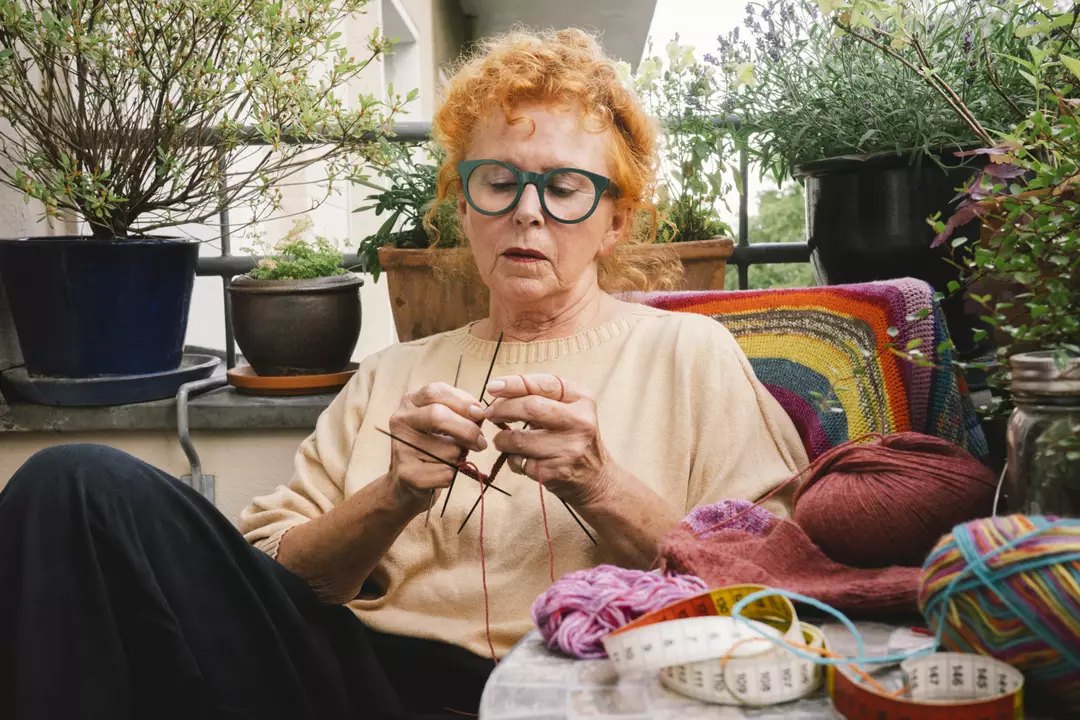
He added that traditional crafts such as knitting, crochet, and sewing could prove useful if people need to repair clothing, create basic gear, or adapt materials for warmth and carrying supplies.
Other usable skills include lighting fires outdoors, putting together simple shelters, and fishing in local waterways.
Foraging — collecting edible resources from wild plants, bushes, and trees — is often associated with camping, but it could also help if food access becomes limited during conflict.
Items you can forage include, but are not limited to:
“Foraging won’t stave off starvation,” Goss confessed.
“But it will prevent things like vitamin deficiency. I prefer plant foraging in blackberry bushes, tree nuts, leaves and roots rather than mushrooms, which aren’t very nutritious.”
He said it’s “remarkable” how much edible produce exists in everyday surroundings, pointing to plants in his area such as three-cornered leek, lemon mint, barberry and wild garlic.
He also suggested checking roadside woodlands, which can be “teeming” with edible options including dandelions, stinging nettle, thistle stalks and fiddlehead ferns.