

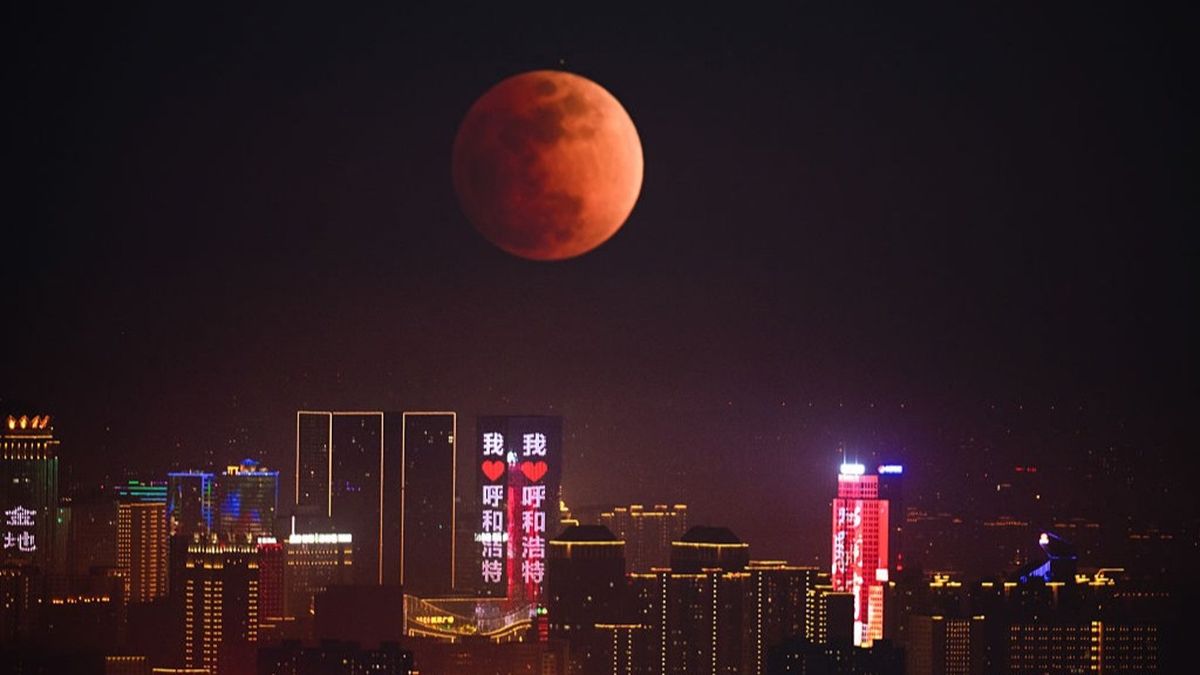
Anyone who didn’t manage to catch Tuesday morning’s total lunar eclipse has more celestial sights to look forward to in March.
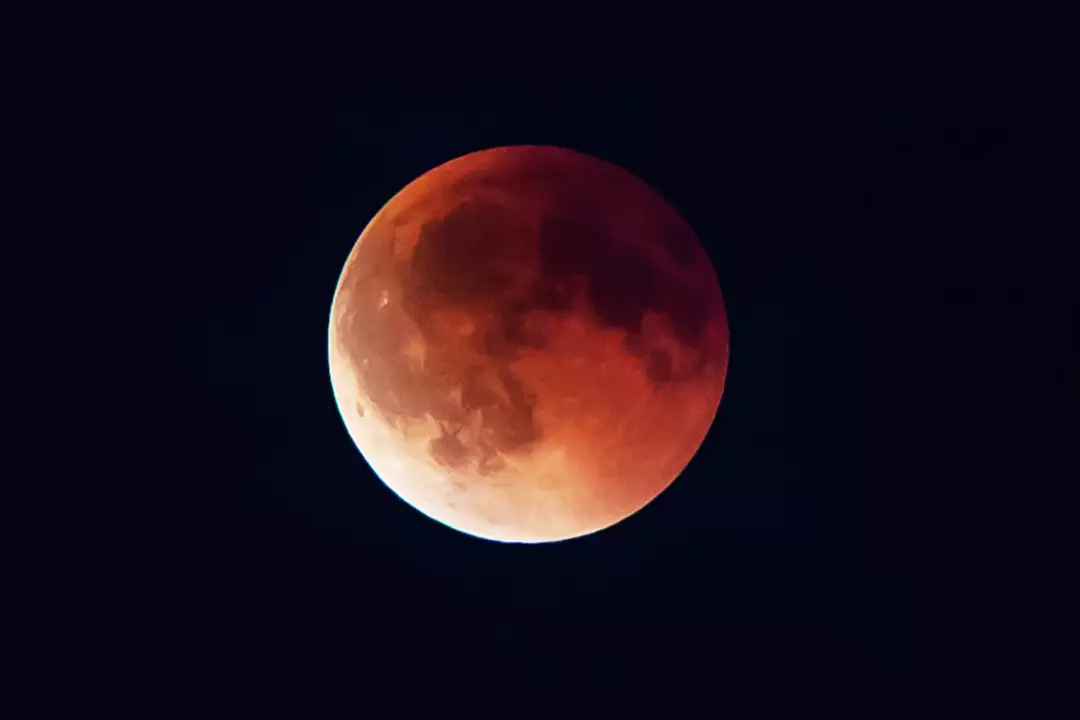
The so-called Blood Moon had many viewers transfixed. A total lunar eclipse happens when the Sun, Earth and Moon line up, and the Moon moves through the darkest part of Earth’s shadow.
During the event, the Moon can take on a deep red hue, lit by sunlight filtered through Earth’s atmosphere.
In parts of the US and Canada, some observers also saw a rare selenelion — the unusual moment when the Sun and an eclipsed Moon appear in the sky simultaneously.
It sounds contradictory, but it comes down to how our atmosphere plays tricks on what we see.
Because of refraction, celestial bodies can appear slightly higher than they truly are, as Earth’s air acts like a lens and bends incoming light.
That same effect is also why we can still see the Sun for a short time in the morning even before it has technically risen.
If the eclipse left you wanting more night-sky action, NASA says there are two more events worth watching for this month — and the first arrives quickly.
On Sunday (March 8), Venus and Saturn will appear very close together after sunset in what astronomers call a conjunction.
That doesn’t mean the planets are actually nearby; they’ll still be separated by around 1.32 billion kilometers. Instead, they’ll look closely paired because they align from our perspective on Earth.
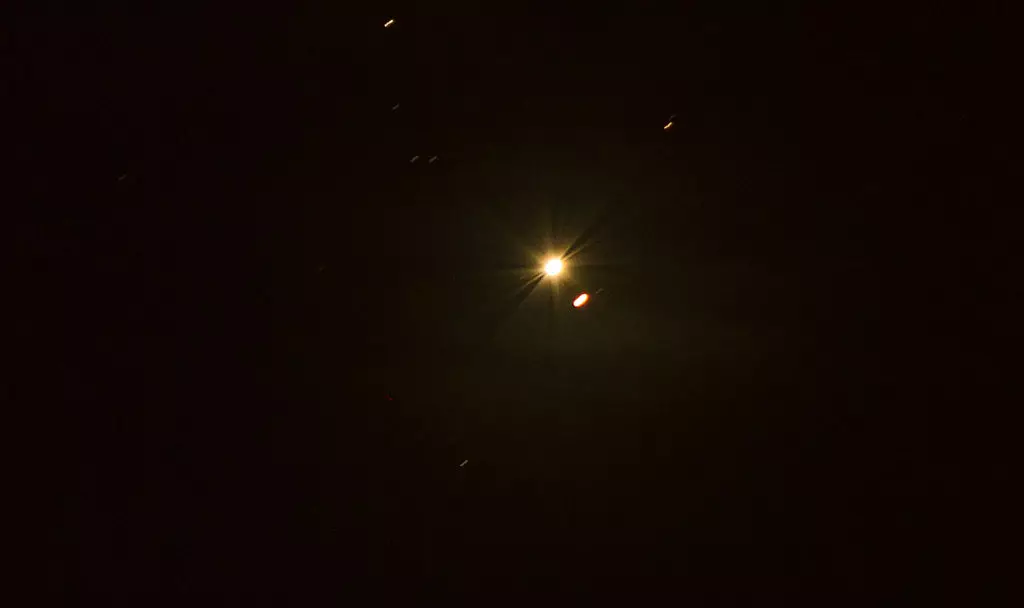
NASA notes they’ll sit about one degree apart — roughly the width of your little finger held at arm’s length.
Venus should stand out as the brighter object, with Saturn visible close by. For the best chance of seeing them, scan low in the western sky shortly after the Sun goes down.
The second key date is Friday March 20, when the vernal equinox signals the seasonal shift.

NASA explains: “While this is colloquially known as the first day of spring in the northern hemisphere and the first day of autumn in the southern hemisphere, astronomically this equinox occurs when the Sun crosses above Earth’s equator while traveling from south to north.”
The space agency continues: “On this day, northern and southern hemispheres experience roughly equal amounts of sunlight and day and night are also about equal, each lasting almost exactly 12 hours.
“So enjoy the start of a new season with a day of perfectly balanced sunlight.”
So if you missed the eclipse, there are still a couple of reasons to keep your eyes on the sky this month.