

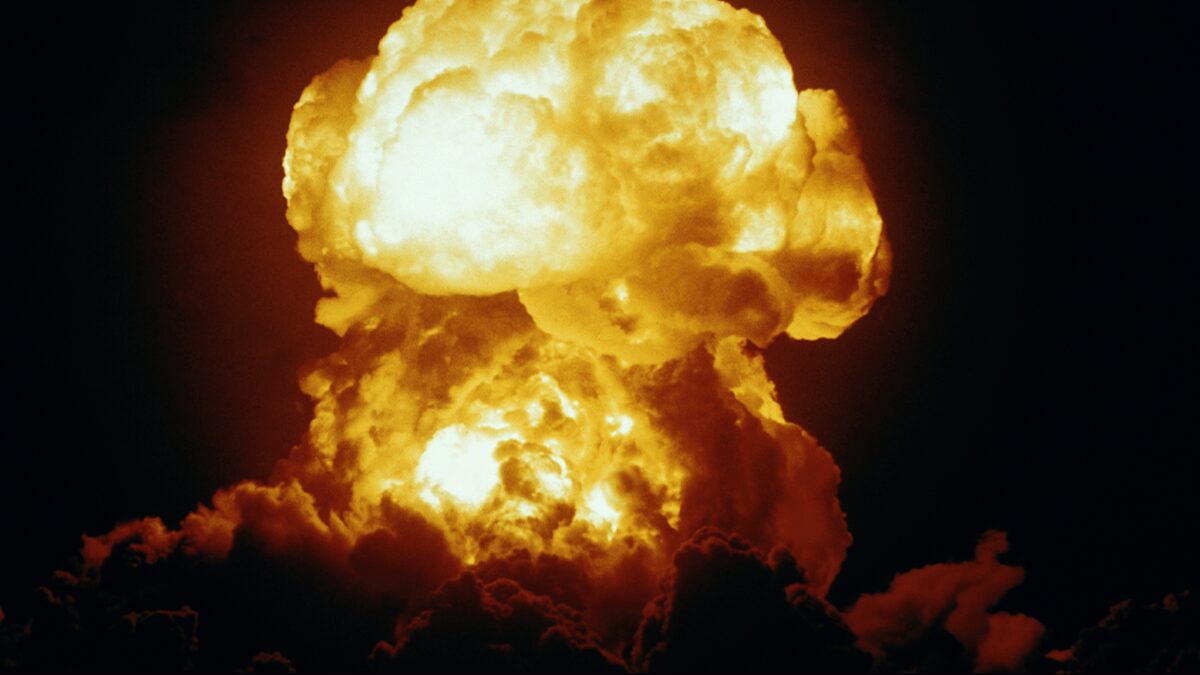
A historian has outlined three indicators that a worldwide conflict may have “already started,” as tensions continue to rise in the Middle East and across the Gulf.
Fears about the prospect of a third World War have intensified in recent years, driven by a major war in Europe alongside the ongoing violence and instability in the Middle East.
A little over a week ago, Donald Trump directed US forces to work alongside Israel in carrying out strikes on Iran, amid allegations that Tehran has been pursuing a nuclear weapon.
Iran then responded with retaliatory action, launching missiles and drones toward locations in the region where US forces are stationed. Reports cited strikes in countries such as Bahrain, the United Arab Emirates (UAE), Qatar, and Kuwait.
Against this backdrop, Professor Anthony Glees said in an interview with The Mirror that there are three signs that could point to the world already being in the early stages of a global conflict.
He argued that the role of the United States—given its size and influence—could be decisive, and that how long Washington stays engaged will shape whether the fighting expands into something far broader.
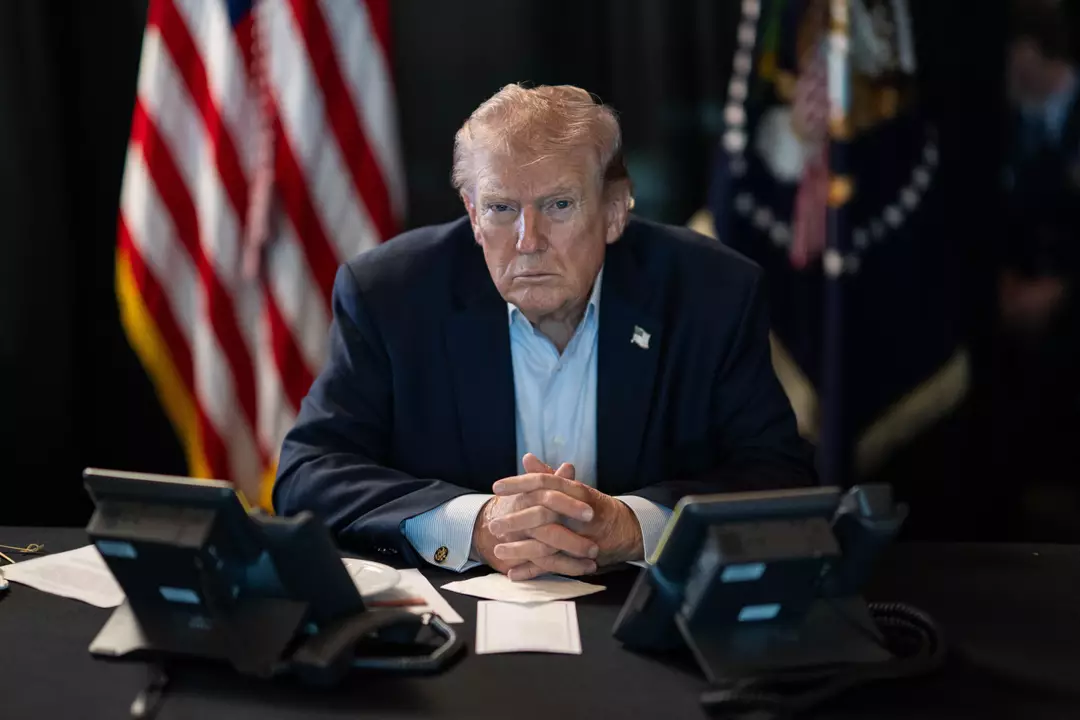
“In short, if Trump comes to his senses, he will quickly announce that he’s had a victory and stop the fighting. He does have this power. But it is far more likely he’s been ensnared by Netanyahu who has long believed in forever wars and the fighting will go on.”
Glees also characterised the fighting sparked by the strikes ordered by Trump and Israeli Prime Minister Benjamin Netanyahu as a “war of choice,” suggesting it was not an unavoidable escalation forced by an imminent attack.
“Both world wars were wars of choice. So was the attack on Iran last Saturday,” the professor explained.
He went further, saying he has not seen proof that Iran was preparing to strike either the United States or Israel, while noting that US bases in the region remain within Iranian missile range.
“There’s no evidence at all that Iran was planning to attack the USA – it cannot reach the US homeland although US bases were well within the range of its missiles as we are seeing right now – no evidence it was planning to attack Israel, a nuclear power only too happy to fight back tooth and nail.”
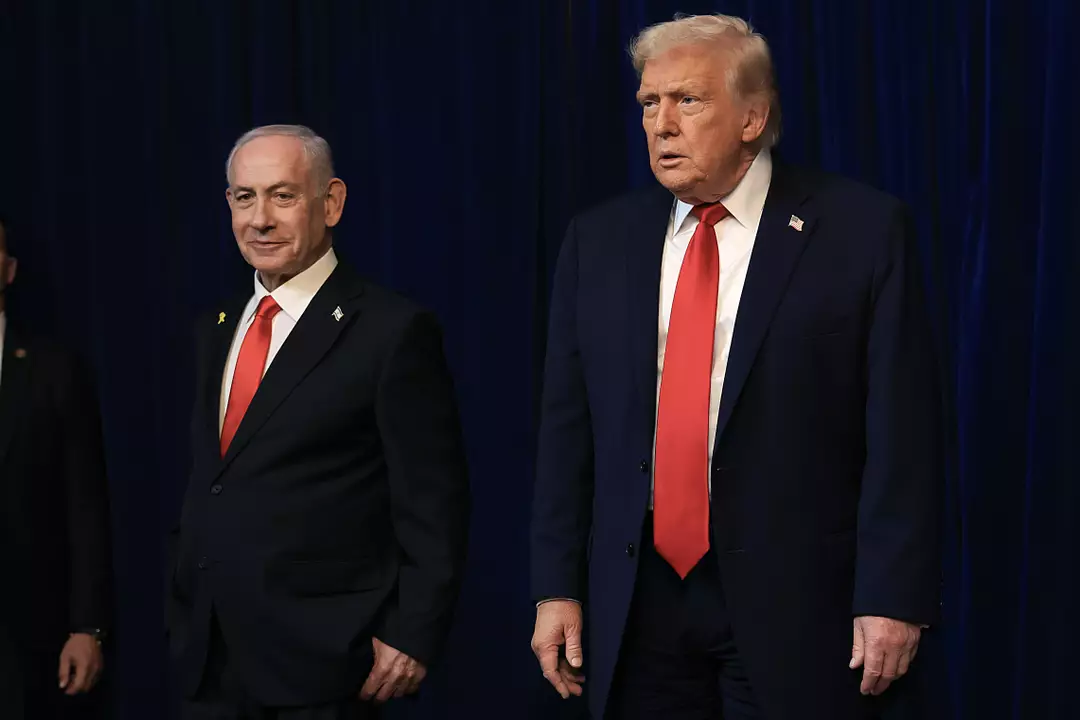
In the wake of the strikes, some critics have argued that the actions taken by Trump and Netanyahu break international law. Regardless of where people stand on that claim, Glees suggested the bigger concern is what the decision-making signals about future escalations.
“The mind that unleashes a war of choice against one enemy can unleash a war of choice against any enemy,” he explained to The Mirror.