

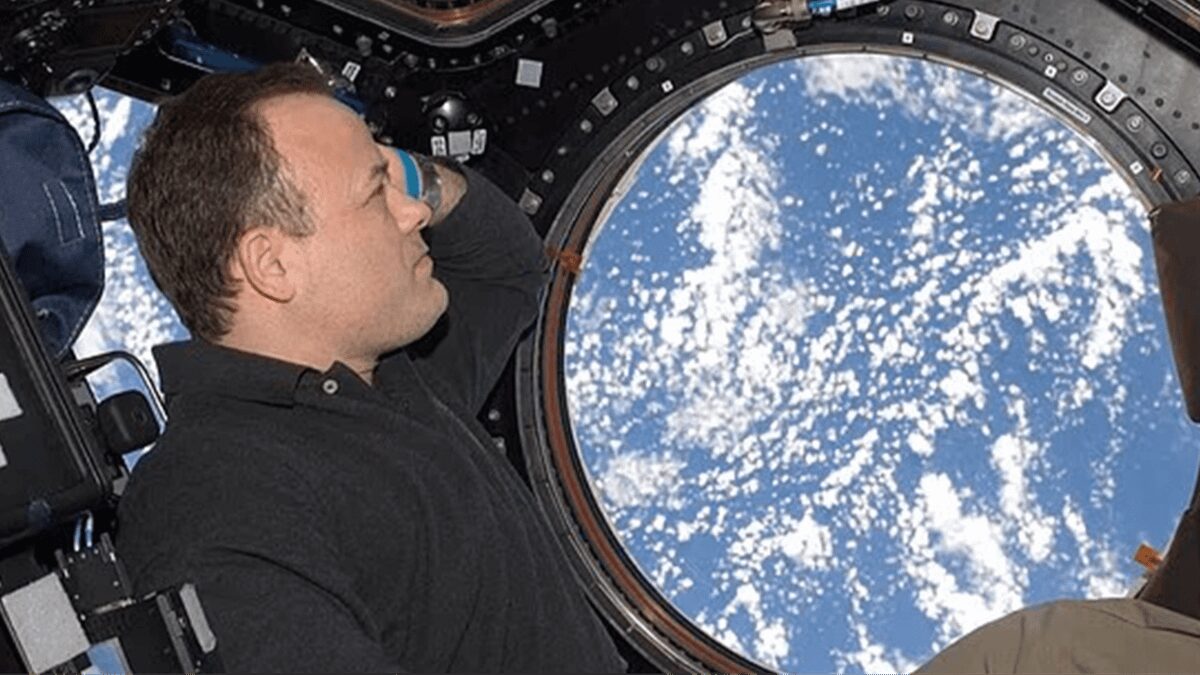
A former NASA astronaut has explained why humanity is ‘living a lie’ after he spent a staggering 178 days in space on the International Space Station (ISS).
Ron Garan spent nearly six months circling Earth, completing 2,842 orbits after launching on April 4, 2011, and returning home on September 16. During that time away from his family, he says the view from orbit reshaped how he thinks about life on our planet.
In the years since the mission, Garan has spoken about the lessons that stood out most, particularly the way seeing Earth from space reframed environmental and societal problems.
Speaking to Big Think, he said: “When we see our planet from the perspective of space, certain things become undeniably clear.
“We keep trying to deal with issues such as global warning, deforestation, biodiversity loss as stand alone issues, when in reality they’re just symptoms of the underlying root problem.
“The problem is that we don’t see ourselves as planetary.”
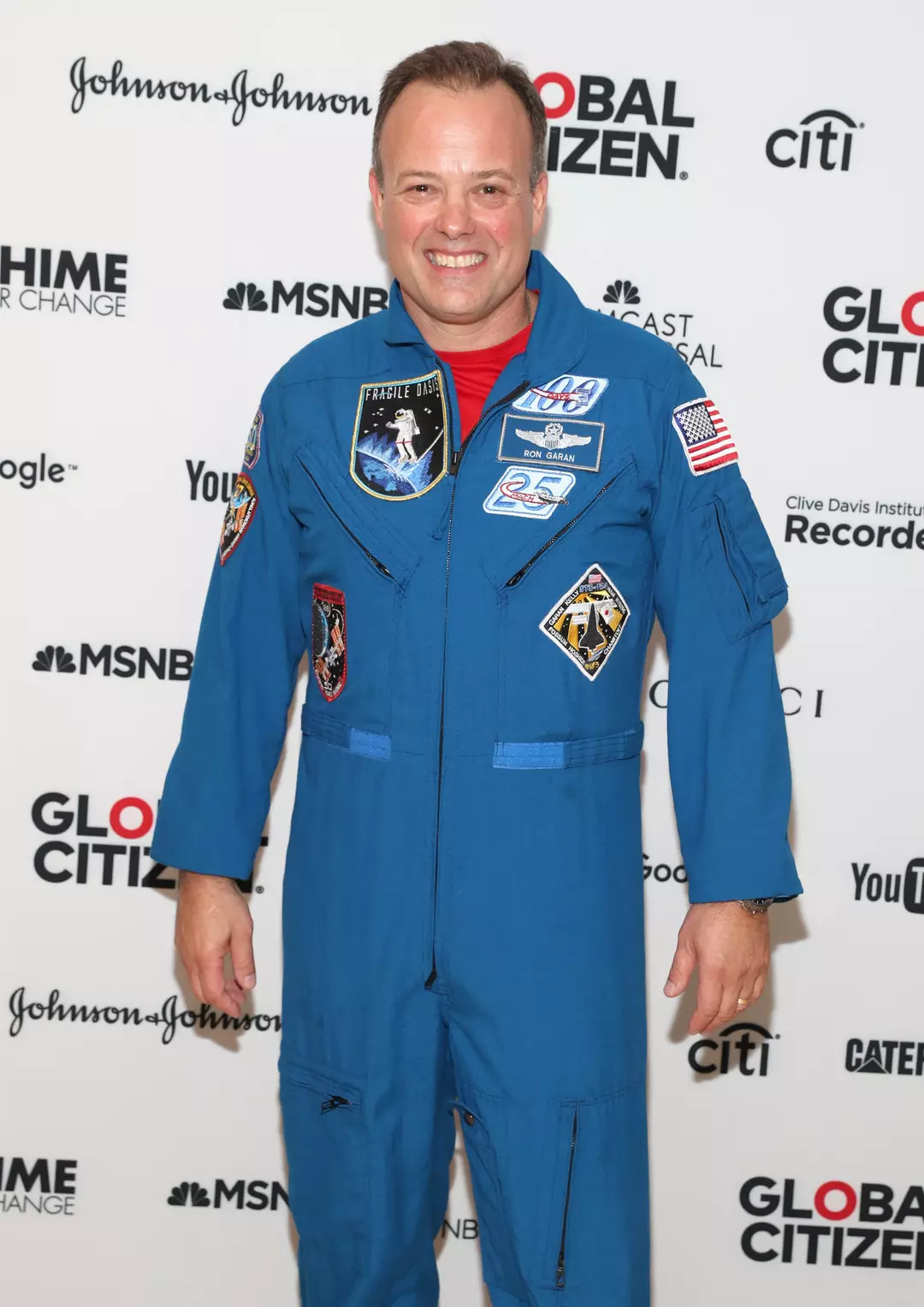
One of the biggest shocks, he said, was realizing what wasn’t visible from that vantage point—especially the systems that dominate daily life on the ground.
He explained: “I didn’t see the economy. But since our human-made systems treat everything, including the very life-support systems of our planet, as the wholly owned subsidiary of the global economy, it’s obvious from the vantage point of space that we’re living a lie.”
Garan’s perspective is often associated with what’s known as the “Overview Effect,” a term used to describe the intense shift in awareness many astronauts report when witnessing Earth from above.
“When I looked out of the window of the International Space Station, I saw the paparazzi like flashes of lightening storms, I saw dancing curtains of auroras that seemed so close it was as if we could reach out and touch them, and I saw the unbelievable thinness of our planet’s atmosphere,” the former NASA astronaut went on to explain.
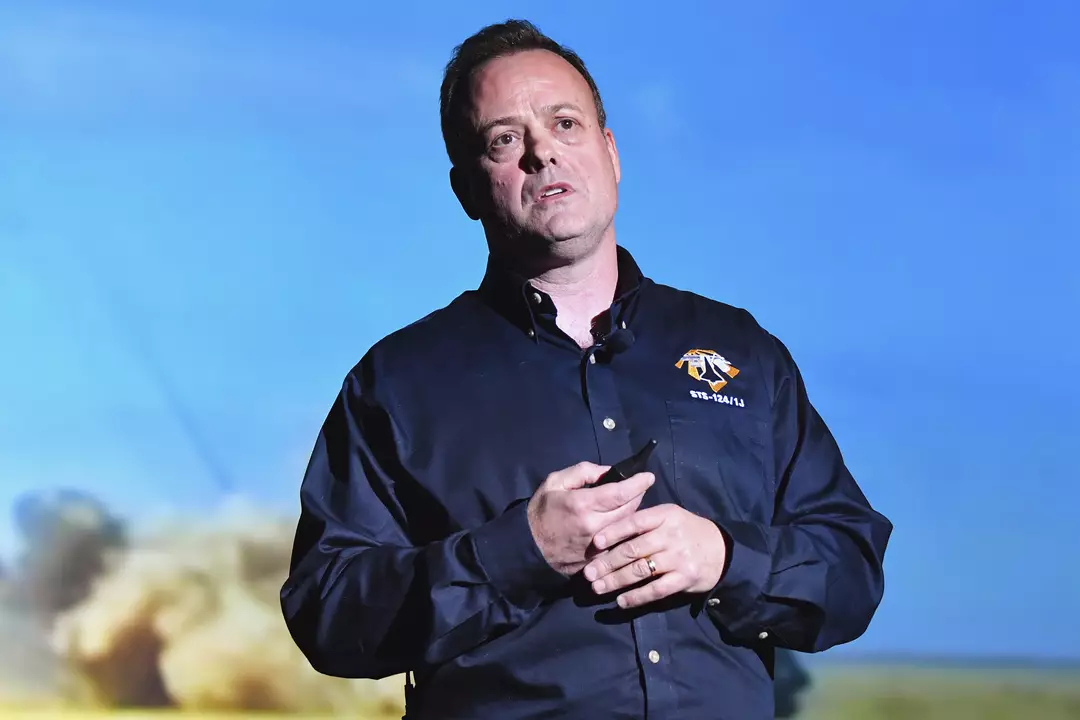
That fragile-looking atmosphere led him to what he described as a “sobering realization”: the conditions that support life are far more delicate than they seem from the ground.
“I saw an iridescent biosphere teaming with life, I didn’t see an economy, but since our human-made systems treat everything, including the very life-support systems of our planet as the […] subsidiary of the global economy, it’s obvious from the vanish point of space that we’re living a lie,” he added.
After coming back to Earth, Garan has focused on pushing for change that aligns with the interconnected reality he says is so clear from orbit—arguing that long-term stability depends on treating the planet’s life-support systems as foundational, not secondary.
“We’re not going to have peace on Earth until we recognize the basic fact of the interrelated structure of all reality,” he concluded.