

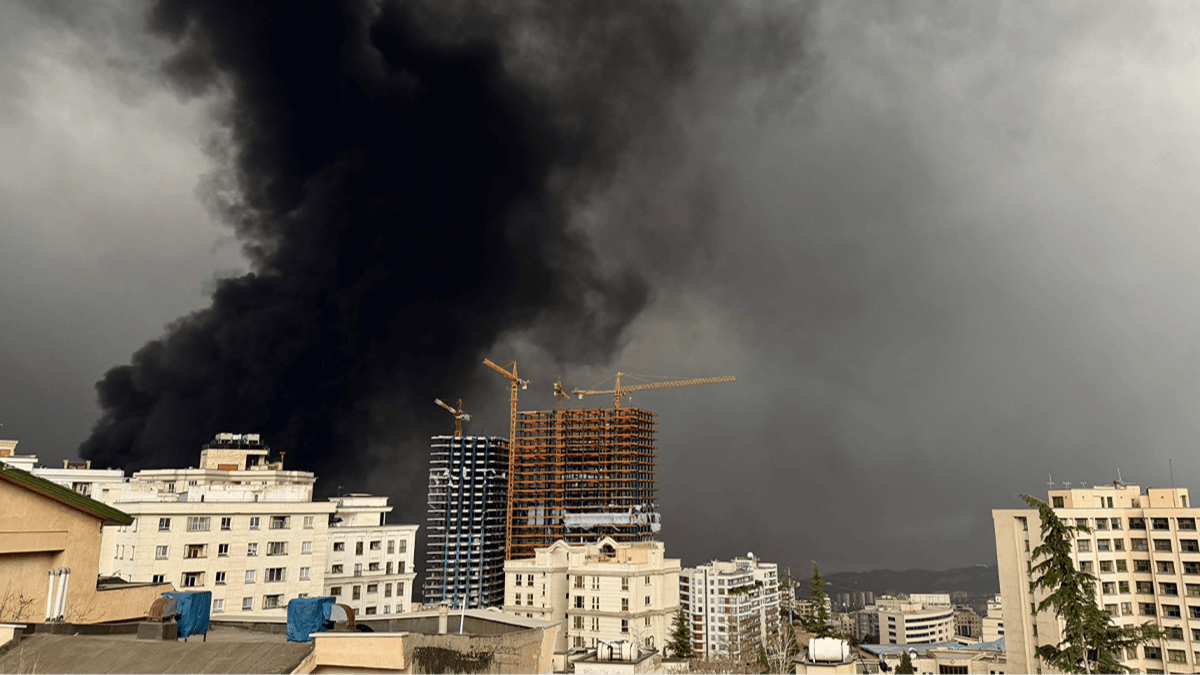
After only seven days, the conflict involving the US, Israel and Iran has already racked up a huge bill for American taxpayers.
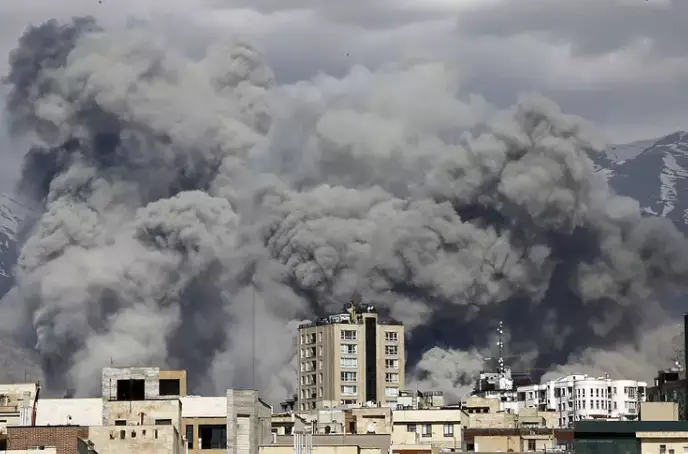
Fighting broke out after US and Israeli strikes hit sites in Tehran on February 28, triggering fresh instability across the Middle East.
The US operation, described as Operation Epic Fury, was reported to have targeted Iran’s leadership, with claims that Iranian Supreme Leader Ali Khamenei was killed at his residence in Tehran.
Iran has also reported at least 555 deaths, with 180 of those said to be linked to an attack involving a girls’ elementary school.
Iran later responded with strikes on US bases in nearby countries.
Although Donald Trump has said the campaign has been successful so far, the financial cost has mounted quickly.
US defense officials told Congress that the first week of the conflict has cost roughly $6 billion, with an estimated $4 billion of that total attributed to munitions and advanced missile-defense interceptors.
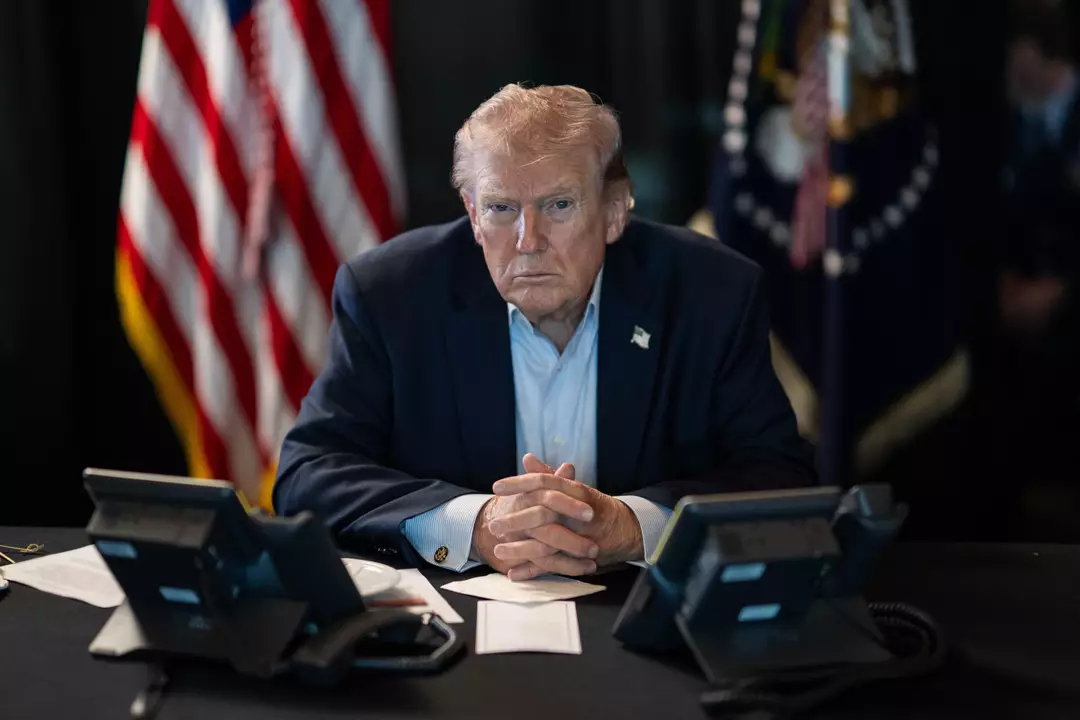
Reports said that Republicans expect the Trump administration to request additional wartime funding from Congress at a later stage.
Meanwhile, a Daily Sabah report says US Central Command chief Adm. Brad Cooper has pointed to what he described as major operational gains against Iran.
He said Iran’s ballistic missile launches have fallen 90% since the first day of fighting, while drone attacks have dropped 83%.
At home, Americans are already seeing knock-on effects, with gas prices rising in some areas — some drivers reporting increases of 20 to 30 cents per gallon.
Goldman Sachs has also estimated inflation could climb to 2.7 percent by May.
Still, JP Morgan Chase Chairman and CEO Jamie Dimon told CNBC the inflation impact may not last long if the conflict ends quickly.
He said: “If it’s not prolonged, it’s not going to be a major inflationary hit. Again, if it went on for a long time, that would be different.”
How long the fighting may continue remains uncertain, and Trump has previously suggested it could last longer than early expectations.
While initial forecasts pointed to four or five weeks of combat, the president said earlier this month it might ‘go far longer than that’, noting that the US military has the ‘capability’ to sustain operations.