


A dentist has warned people not to ignore a sore throat in some instances as it could be a sign of a more serious situation.
Many people could probably be more consistent with dental visits.
For a lot of us, oral care often boils down to brushing twice daily and using mouthwash now and then, with appointments saved for routine check-ups or when something feels wrong.
But problems affecting the mouth don’t always arrive with obvious, dramatic symptoms.
Dr Deepa Chopra, a dentist at Whites Dental, has advised that a sore throat can sometimes be brushed off when it may need closer attention.
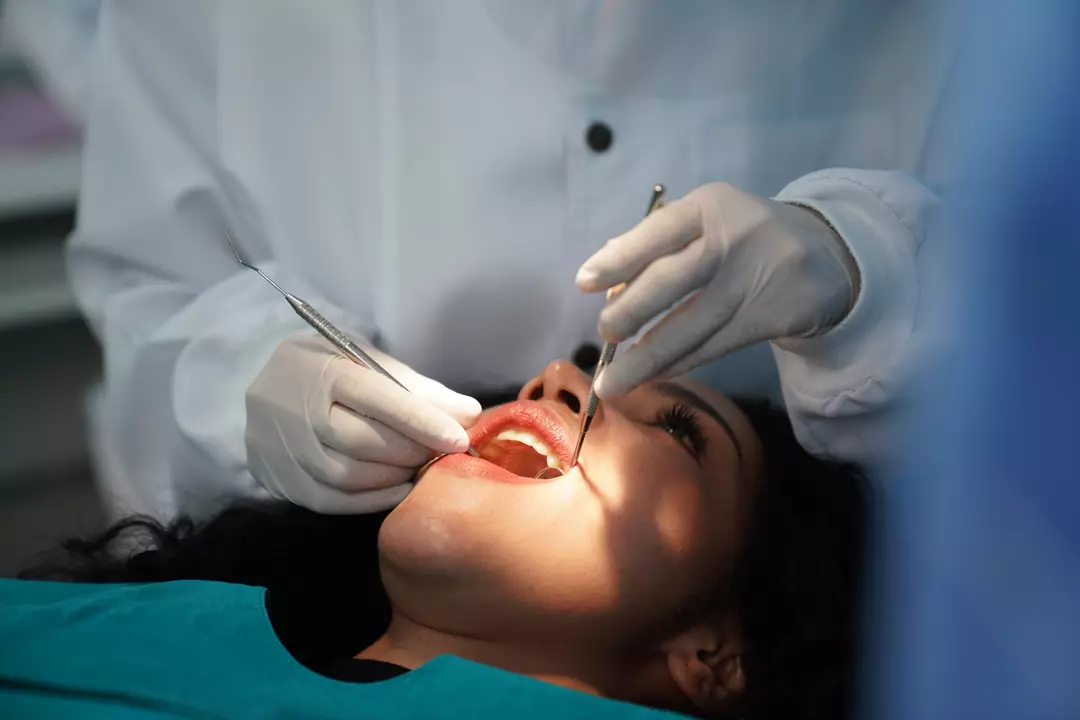
She explained that while dentists can spot certain warning signs during examinations, not every issue is immediately visible or easy to identify without further assessment.
Oral cancer (also known as mouth cancer) can affect different parts of the mouth, including the tongue, gums, cheeks and lips.
Dr Chopra said: “Some symptoms may develop gradually and can be mistaken for minor issues.
“Persistent changes that do not resolve within a few weeks may benefit from professional assessment.”
Possible signs within the mouth can include ulcers that don’t heal, unexplained bleeding, red or red-and-white patches, unusual lumps, or teeth that become loose without a clear reason.
However, Dr Chopra also highlighted that not all potential warning signs are confined to the mouth itself, noting that the throat can also be involved.
She added: “A long lasting sore throat, difficulty swallowing, discomfort when chewing, or persistent ear pain could sometimes be associated with changes in the oral or surrounding tissues.
“Numbness in the lip or jaw area may also warrant further investigation.
“If someone notices ongoing hoarseness, slurred speech or a change in their voice that does not improve, it may be advisable to seek medical or dental advice.”

She stressed that these symptoms can have many explanations and are not automatically linked to cancer, as they may also reflect more common conditions.
She continued: “For example, bleeding gums are often associated with gum inflammation rather than cancer.
“But if symptoms are unusual, persistent or worsening, it may be sensible to have them checked.
“Regular dental examinations may help identify changes early, sometimes before a patient is aware of them. Being familiar with what feels normal for you and seeking advice if something changes could support earlier detection.”