

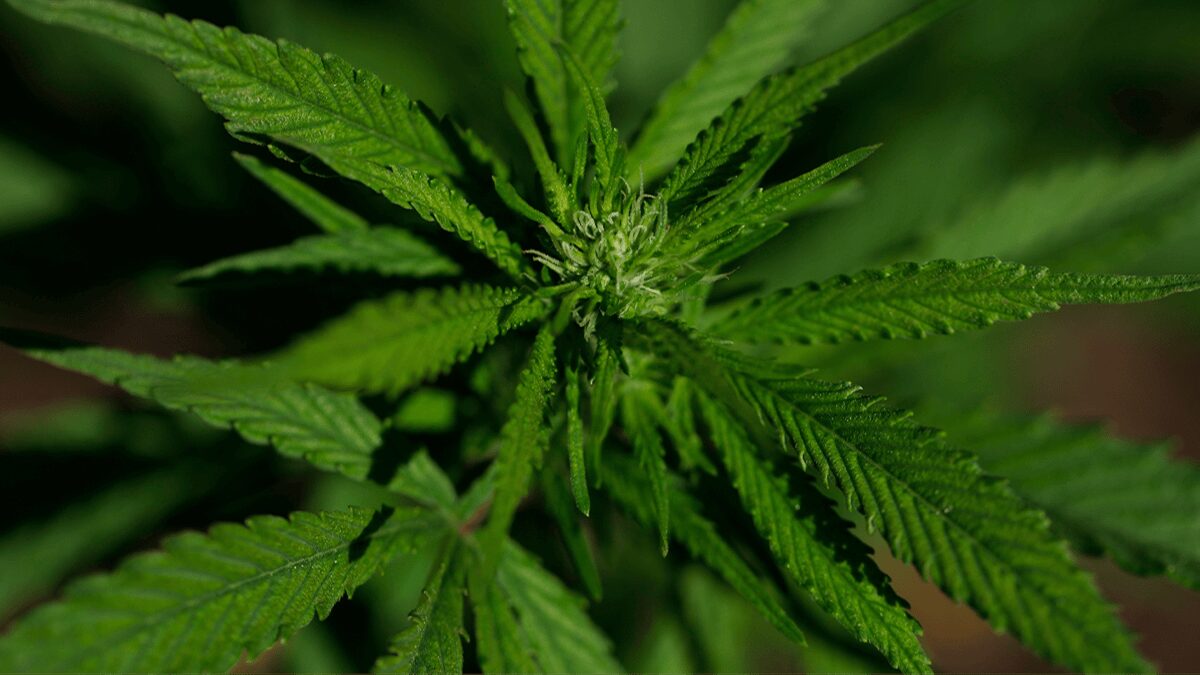
New research suggests certain cannabis-derived compounds may have potential in treating a condition that affects 4.5 million people across the US.
No matter where you stand on cannabis—against it, in favor of it, or somewhere in between—its practical and medical applications are difficult to ignore.
Some people use it to relax, while others turn to it for help managing long-term pain. And scientists are still uncovering what its various components may be capable of.
Although recreational and medical cannabis is legal in as many as 24 US states, legal consequences can still apply for those who obtain or use it outside the rules.
Now, researchers at the Hebrew University of Jerusalem say the plant may offer another advantage—just not in the way most people typically think about.
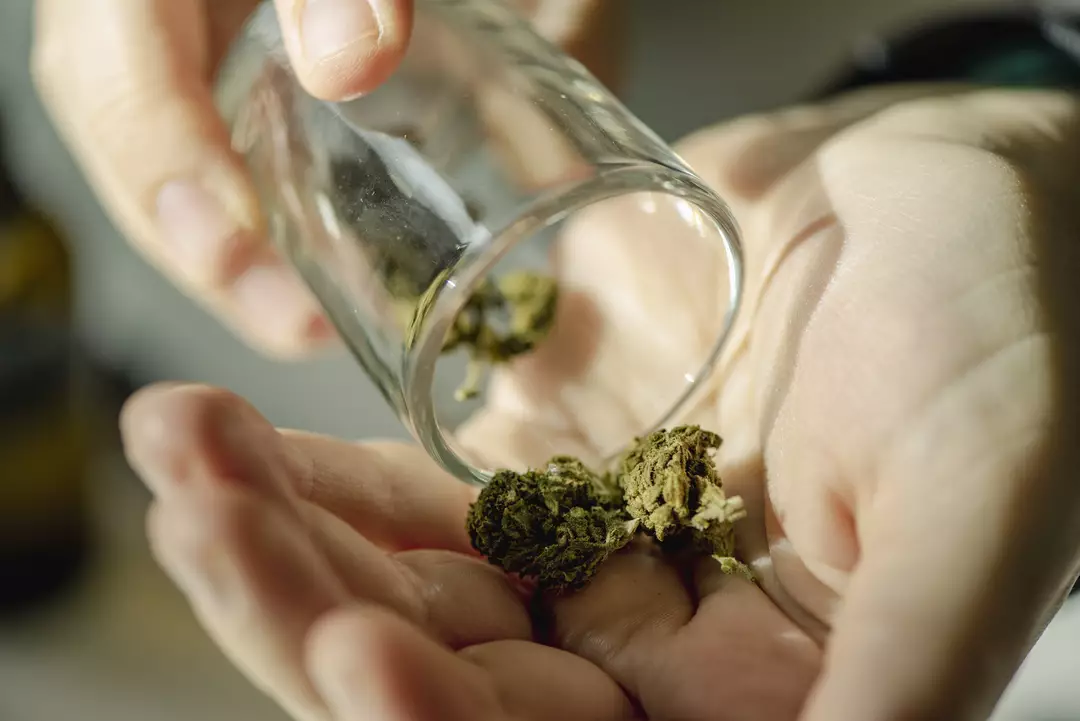
In a study published in the British Journal of Pharmacology, scientists reported that cannabidiol (CBD), which is non-psychoactive, and cannabigerol (CBG) were linked to a notable reduction in liver fat and improvements in metabolic health in the study’s test subjects.
Metabolic dysfunction-associated steatotic liver disease (MASLD) is believed to impact roughly one-third of adults worldwide, according to research cited by the National Institute of Health.
Unlike THC, CBD and CBG aren’t the compounds associated with feeling “high.”
Instead, they’re more commonly discussed for possible calming effects, including use by some people dealing with anxiety or sleep-related issues.
According to this latest work, they may also play a role in supporting liver health.
“Our findings identify a new mechanism by which CBD and CBG enhance hepatic energy and lysosomal function,” lead study author Joseph Tam, director of the Multidisciplinary Center for Cannabinoid Research at Hebrew University said.
The researchers described this as a form of “metabolic remodeling,” where the compounds boosted phosphocreatine—a molecule typically found in muscle cells.

This, in turn, was said to help the liver cope better under stress and increase cathepsin enzymes, which assist in breaking down and clearing unwanted substances.
However, the findings don’t mean that smoking cannabis will produce the same results, and researchers have also raised concerns—particularly for younger users.
A separate study from McMaster University, published in The Canadian Journal of Psychiatry, suggested that THC exposure could be associated with depressive disorders among younger people.
“We see that Canadians who use cannabis tend to be more likely to meet criteria for anxiety and depressive disorders, and more likely to report suicidality,” said Jillian Halladay, an assistant professor in the School of Nursing at McMaster.
They warned: “It’s important for people to recognize when and how their cannabis use may be impacting their mental health, and how their mental health may be influencing their cannabis use.”