

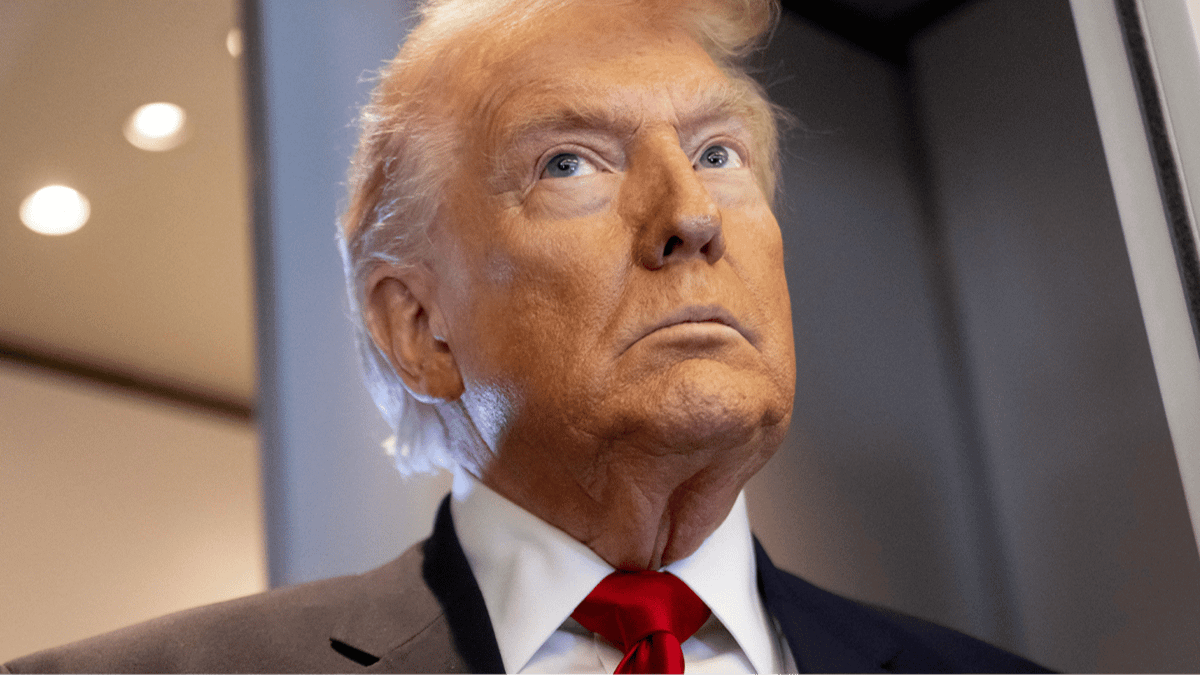
Donald Trump has repeatedly argued that he should be credited as a peacemaker, but his second term has included a steady run of threats and military action affecting several countries within just over a year.
On multiple occasions, Trump has said he hasn’t received enough recognition for preventing wars, and has claimed he has stopped various conflicts since returning to the White House.
Those remarks were mocked last year after he complained about not being awarded a Nobel Peace Prize.
With the US now involved in a Middle East war following strikes by the US and Israel on Iran, his self-praise has been met with renewed skepticism.
During the summer of 2025, Trump went as far as branding himself the “President of Peace” while describing what he said was his role in de-escalating tensions between two nations.
In a Truth Social post, Trump wrote: “Just spoke to the Acting Prime Minister of Thailand of Cambodia. I am pleased to announced that, after the involvement of President Donald J Trump, both Countries have reached a CEASEFIRE and PEACE.
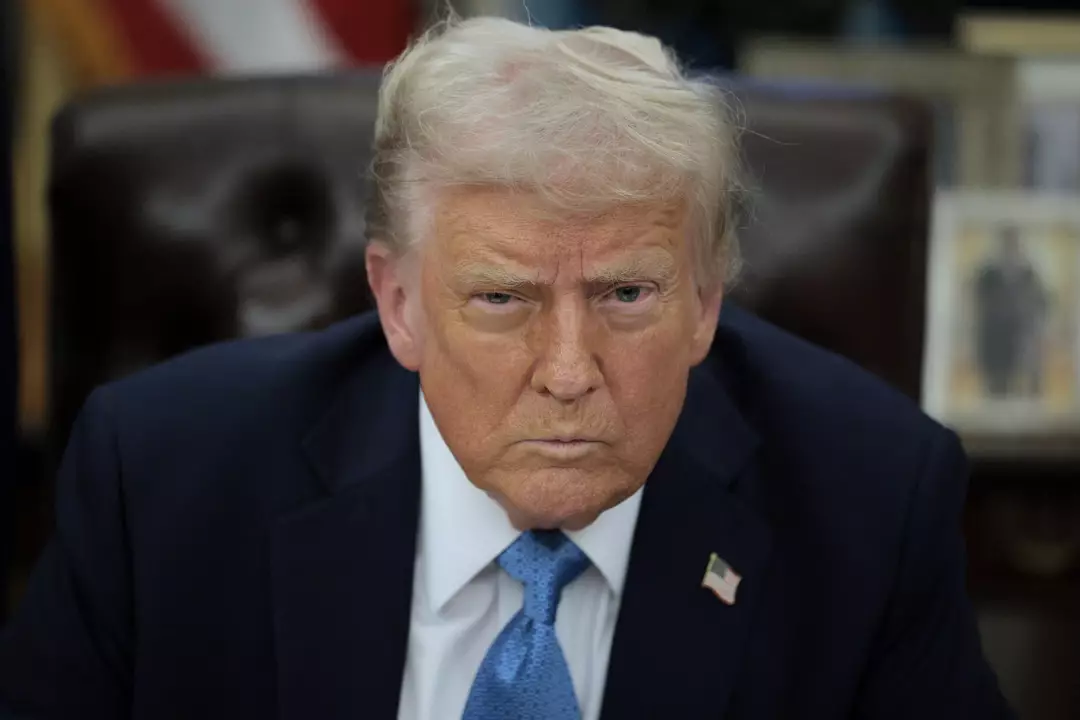
“Congratulations to all. By ending this War, we have saved thousands of lives. I have instructed my Trade Team to restart negotiations on Trade.
“I have now ended many Wars in just six months – I am proud to be the President of Peace.”
However, alongside those claims of diplomacy, Trump has also issued warnings and overseen military operations involving a number of countries since the start of his second stint as president.
In recent weeks, attention has been pulled toward the Middle East again after a missile strike by Israel and the US aimed at Supreme Leader Ayatollah Ali Khamenei, amid broader instability in the region.
The strike reportedly killed the Iranian leader, but it remains uncertain how long the US will sustain Operation Epic Fury in and around Iran.
That conflict has also overshadowed the US’ more recent actions in Venezuela.
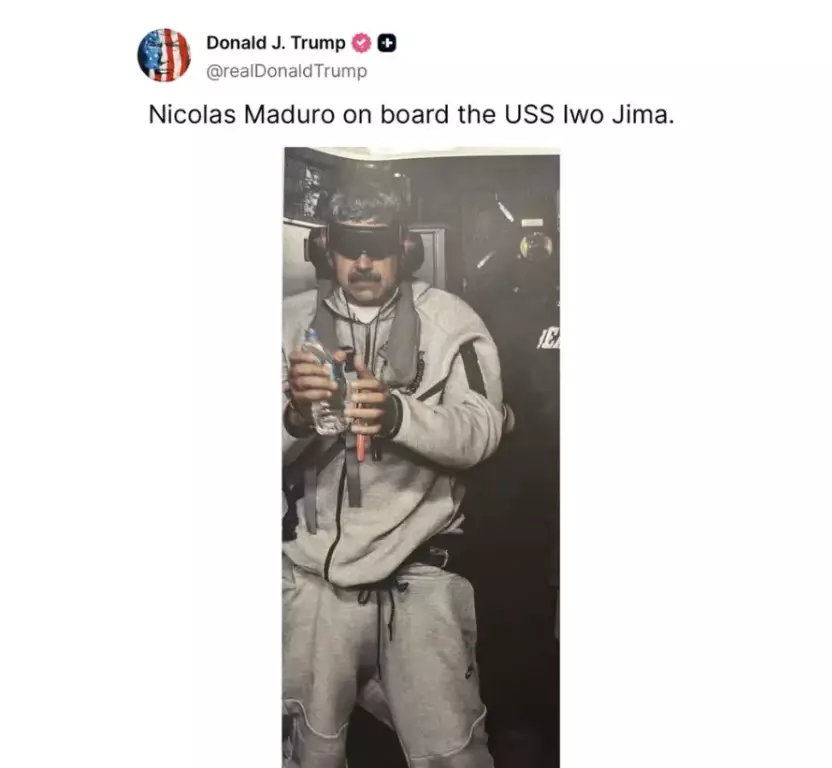
Reports said US special operatives entered the country and detained Venezuelan president Nicolás Maduro in a rapid operation.
In addition, Tomahawk missiles were reportedly launched from Navy ships off the coast to destroy surface-to-air missile sites, with the goal of controlling airspace ahead of Delta Force activity.
Earlier in 2025, shortly after returning to office, Trump also ordered an air strike in Somalia.
He defended the decision by saying the target was Islamic State fighters operating in the area.
He also said: “The strikes destroyed the caves they live in, and killed many terrorists without, in any way, harming civilians.
“Our Military has targeted this Isis Attack Planner for years, but Biden and his cronies wouldn’t act quickly enough to get the job done. I did!”
Iraq has remained a long-running focus of US military involvement, and that did not change under Trump’s leadership.
After a successful air strike on ISIS members, Trump posted online to celebrate the outcome.
He wrote: “Today the fugitive leader of ISIS in Iraq was killed. He was relentlessly hunted down by our intrepid warfighters.
“His miserable life was terminated, along with another member of ISIS, in coordination with the Iraqi Government and the Kurdish Regional Government. PEACE THROUGH STRENGTH!”
Nearly a year ago, Trump said the US had launched strikes in Yemen aimed at Houthi rebel positions.
The move followed Houthi attacks on vessels in the Red Sea. The group controls Sanaa and much of north-west Yemen, though it is not internationally recognized as the country’s government.
After the strikes, Trump criticized Joe Biden and argued his predecessor had failed to act, adding: “The Houthi attack on American vessels will not be tolerated. We will use overwhelming lethal force until we have achieved our objective.”

Syria has similarly been the site of repeated foreign intervention over many years.
Earlier this year, US Central Command said the US carried out retaliatory strikes against ISIS targets in Syria on January 10.
US officials linked the action to a broader operation, explaining: “These strikes are part of Operation Hawkeye Strike, which was launched and announced on Dec. 19, 2025, at the direction of President Trump, in direct response to the deadly ISIS attack on U.S. And Syrian forces in Palmyra, Syria, on Dec. 13, 2025.
“That ambush, carried out by an ISIS terrorist, resulted in the tragic deaths of two American soldiers and one U.S. Civilian interpreter.”
On Christmas Day, Trump said the US carried out strikes in Nigeria targeting suspected ISIS militants.
He again used Truth Social to justify the intervention, framing it as a response to the killing of Christians.
In his post he wrote: “Tonight, at my direction as Commander in Chief, the United States launched a powerful and deadly strike against ISIS Terrorist Scum in Northwest Nigeria, who have been targeting and viciously killing, primarily, innocent Christians, at levels not seen for many years, and even Centuries!
“I have previously warned these Terrorists that if they did not stop the slaughtering of Christians, there would be hell to pay, and tonight, there was.
“The Department of War executed numerous perfect strikes, as only the United States is capable of doing. Under my leadership, our Country will not allow Radical Islamic Terrorism to prosper.
At present, the US does not appear to have publicly attacked Mexico or Colombia, but Trump has issued warnings toward both countries, saying he is dissatisfied with their conduct.
He has repeatedly alleged that drug trafficking and cartel violence are not being tackled effectively.
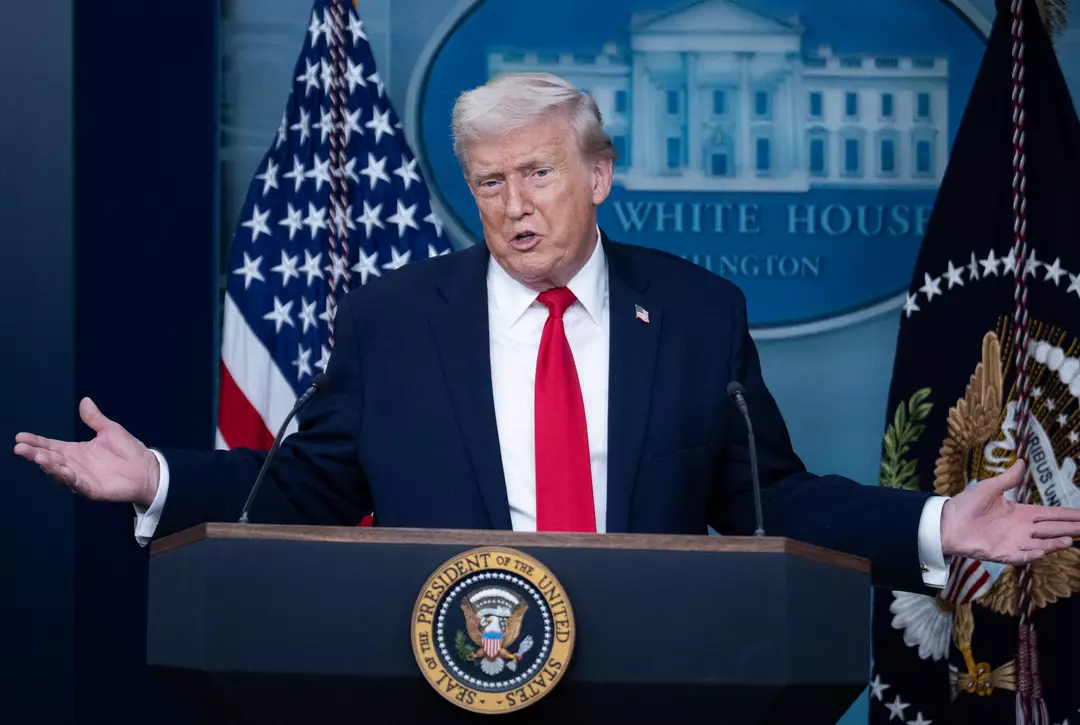
Trump has also argued that failing to address those issues increases risks to the US.
The president has suggested the US will do ‘something’ if Mexico doesn’t ‘get their act together’
Discussing Colombia, he offered a similar warning, saying: “Colombia is very sick, too, run by a sick man, [President Gustavo Petro] who likes making cocaine and selling it to the United States, and he’s not going to be doing it very long.”
Meanwhile, Trump’s rhetoric around Greenland has continued to draw headlines since his return to office.
The attention is heightened because Greenland is a US ally, yet has still faced repeated pressure from Washington.
Greenland is part of the Kingdom of Denmark, and Denmark is a member of the European Union, but Trump has said he views the territory as strategically vulnerable.
He has argued the island should be brought under US control to stop China or Russia from expanding influence there.
While he has at times kept his approach vague, Trump has also stressed he doesn’t want to use force—language that nonetheless raised alarms because it suggested coercive options were being considered.
Trump has said: “I don’t want to use force. I won’t use force.
“All the US is asking for is a place called Greenland. You can say yes, and we will be very appreciative.
“Or you can say no and we will remember.